Programme
ENERGY
TOPICS
Transformative Energy Solutions
Next-Gen Energy Ecosystems
Light-based Innovation for Energy Transformation
Electrochemical Frontiers in Energy Storage
The transition to a low-carbon future demands bold ideas and scalable technologies. This theme examines new frontiers in renewable energy, electrification, hydrogen, and carbon management, alongside advances in storage and systems integration. The talks will feature transformative research and collaborations that drive energy resilience, enabling societies to power growth sustainably while reducing their environmental footprint.
Keynote Speakers
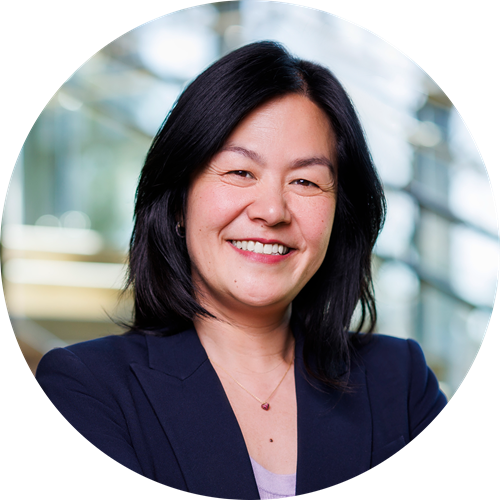
Evelyn WANG
Massachusetts Institute of Technology
Evelyn WANG
Massachusetts Institute of Technology
Dr. Evelyn N. Wang is the Vice President for Energy and Climate and the Ford Professor of Engineering at the Massachusetts Institute of Technology (MIT). She previously served as the Senate-confirmed Director at the Advanced Research Projects Agency-Energy (ARPA-E) from 2023-2025, where she led the Agency’s development, launch, and execution of high-risk, high-reward energy research and development programs. At MIT, she developed technologies for thermal management, energy conversion and storage, and water harvesting and purification. Dr. Wang holds a Ph.D. in Mechanical Engineering from Stanford University. She also received an M.S. in Mechanical Engineering from Stanford University and a B.S. in Mechanical Engineering from MIT. She is a member of the National Academy of Engineering, and Fellow of the American Society of Mechanical Engineers, American Association for the Advancement of Science, and the American Academy of Arts and Sciences.
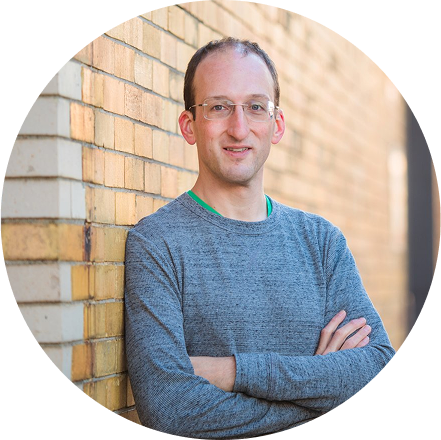
Michael SHORT
Massachusetts Institute of Technology
“Tackling Commercialization Challenges for the Upcoming Fusion Supply Chain”
Michael SHORT
Massachusetts Institute of Technology
Mike joined MIT’s Department of Nuclear Science and Engineering in 2001 as a 1st year undergraduate researcher, and never left. Now he is a Full Professor of Nuclear Science and Engineering, having held nearly every possible academic job in that timespan. He and his group have spent 23 years studying coupled effects and challenges facing materials for nuclear power, for both fission and fusion. The group has made surprising discoveries ranging from radiation decelerated corrosion in molten salts to direct measurement of stored energy of radiation damage, to methods for detecting historical uranium enrichment for non-proliferation treaty verification.
He is also a Scientific Advisor in A*STAR’s Institute of Materials Research and Engineering (IMRE), where he advises and helps guide teams working on major coupled challenges to create and expand the fusion material/component supply chain.
Mike has been coming to Singapore every year since 2012 under the auspices of the Singapore University of Technology and Design (SUTD), and liked it so much that he recently spent a sabbatical at A*STAR to better understand and participate in Singapore’s leadership of the clean energy transition in the ASEAN region and worldwide.

Patrice SIMON
Toulouse University
“Nanoconfinement Effects on Electrochemical Charge Storage”
Patrice SIMON
Toulouse University
Patrice Simon is Exceptional Class Professor of Material Science at Toulouse University (France). His research activities focus on the fundamental understanding of electrochemical processes occurring at the material / electrolyte interfaces in electrodes for electrochemical energy storage devices (batteries and electrochemical capacitors). He is leading the National Research Program on Batteries (PEPR Batteries 2023-2029), and the French Network on Electrochemical Energy Storage (RS2E). Patrice Simon is Fellow of the French Academy of Sciences (2019), Academia Europaea (2019) and European Academy of Sciences (2020).
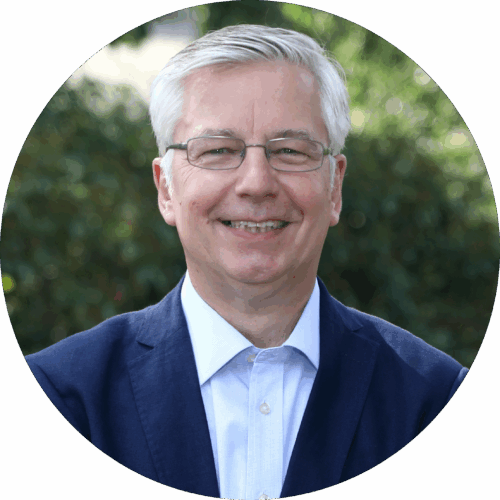
Walter LEITNER
Max Planck Institute for Chemical Energy Conversion
“Hydrogen and Carbon Dioxide as Building Blocks for a Sustainable Energy-Chemistry Nexus”
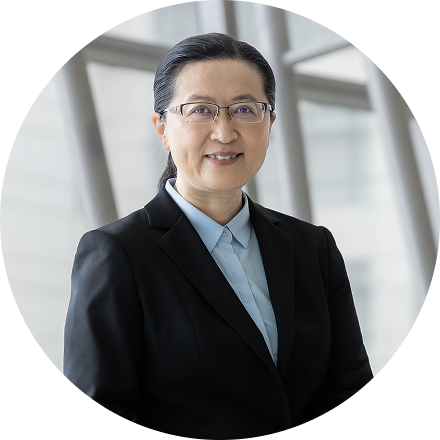
Bin LIU
National University of Singapore
Biography information is currently unavailable. Please check back later.
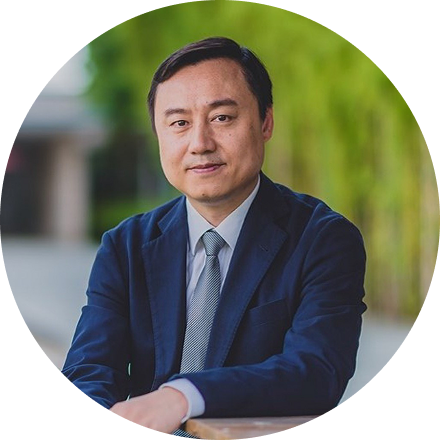
Xiaogang LIU
National University of Singapore
“Frequency-Converting Nanocrystals: A New Frontier in Nanophotonics”
Xiaogang LIU
National University of Singapore
Xiaogang Liu earned his Ph.D. in inorganic chemistry from Northwestern University in 2004. Following this, he spent two years as a postdoctoral researcher in the Department of Materials Science and Engineering at MIT. He joined the Department of Chemistry at the National University of Singapore in 2006 and was promoted to Full Professor in 2017. He holds a joint appointment with the Department of Surgery at the School of Medicine. Among his research interests are the study of energy transfer in lanthanide-doped nanomaterials, the application of optical nanomaterials for neuromodulation and light-field imaging, the development of advanced X-ray imaging scintillators, and the prototyping of electronic tools for assistive technologies.
Invited Speakers
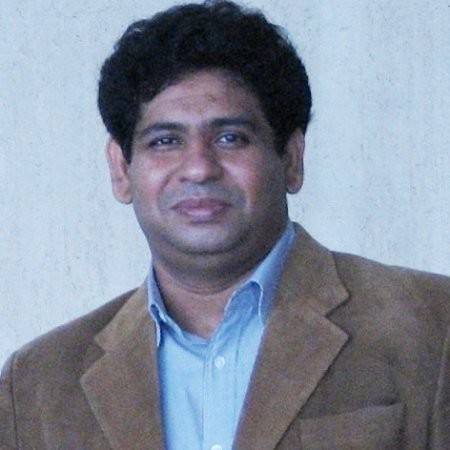
Abhisek UKIL
University of Auckland
“Hybrid AC-DC Grid for Energy Efficiency with Renewables: Pathway for Future Sustainable Smart Grid”
Abhisek UKIL
University of Auckland
Prof. Abhisek Ukil is currently Professor in the Department of Electrical, Computer & Software Engineering, The University of Auckland, New Zealand. He is leading a group of 15 researchers, including 10 PhD students, with 4+ Million NZ$ competitive funding. From 2013–2017, he was Assistant Professor in the School of EEE, Nanyang Technological University (NTU), Singapore, leading a group of 13 researchers, 6 PhD students, attracting 5 Million SG$ funding from EDB, EMA, etc. His translational R&D on combined energy network at NTU, funded by EMA, resulted in a successful spin-off company, ‘VIGTI’, in Singapore. From 2006–2013, he was Principal Scientist at ABB Corporate Research, Baden, Switzerland, leading projects on smart grid. His expertise and research interests include power systems/electronics, renewable energy, energy storage, HVDC. He is inventor of 12 patents, and author of 240 refereed papers, 4 books/chapters. Prof Ukil is a Fellow of IET (UK), Senior Member of IEEE (USA_, USA, and Registered Chartered Engineer (CEng), UK. He is listed in ‘Top 2% Scientists Worldwide’ by Stanford University-Elsevier. He is Editor of IEEE Transactions on Industrial Informatics and Springer-Electrical Engineering Journals
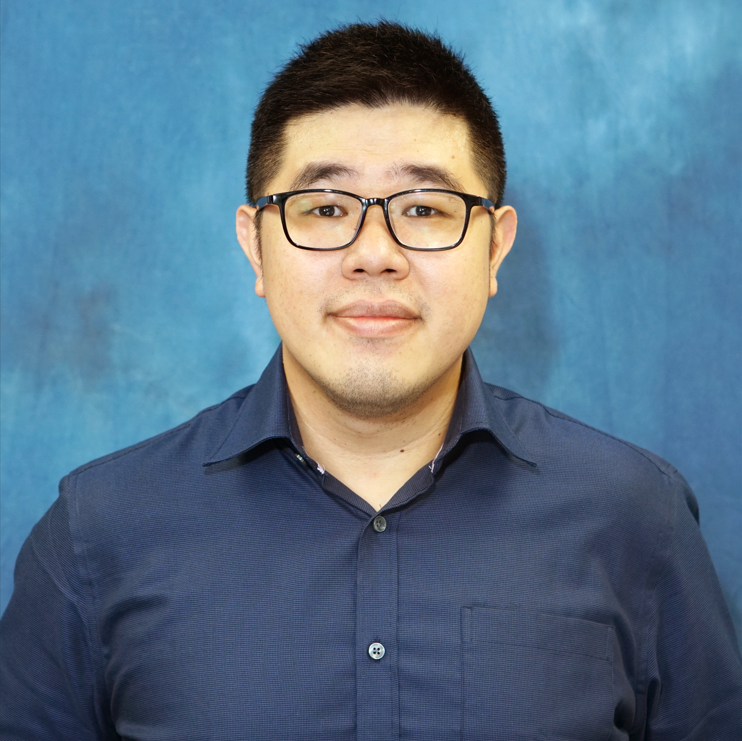
Ady SUWARDI
The Chinese University of Hong Kong
“Evapolectrics: Unlocking Thermoelectric Potential in Ambient Energy Harvesting using Water Evaporation”
Ady SUWARDI
The Chinese University of Hong Kong
Ady Suwardi is a Vice-chancellor Assistant Professor at the Electronic Engineering department in The Chinese University of Hong Kong (CUHK). He received his PhD in Materials Science from University of Cambridge, U.K. in 2018, and B.Eng from NTU, Singapore in 2012. His research cuts across inorganic and ionic thermoelectric materials and devices, water evaporation, and their synergies for energy harvesting. So far, he has also secured >5 competitive grants, and has given >15 invited talks. For his research works, he was awarded Vebleo Fellow 2025, MIT TR35 Asia Pacific 2024, and many others.
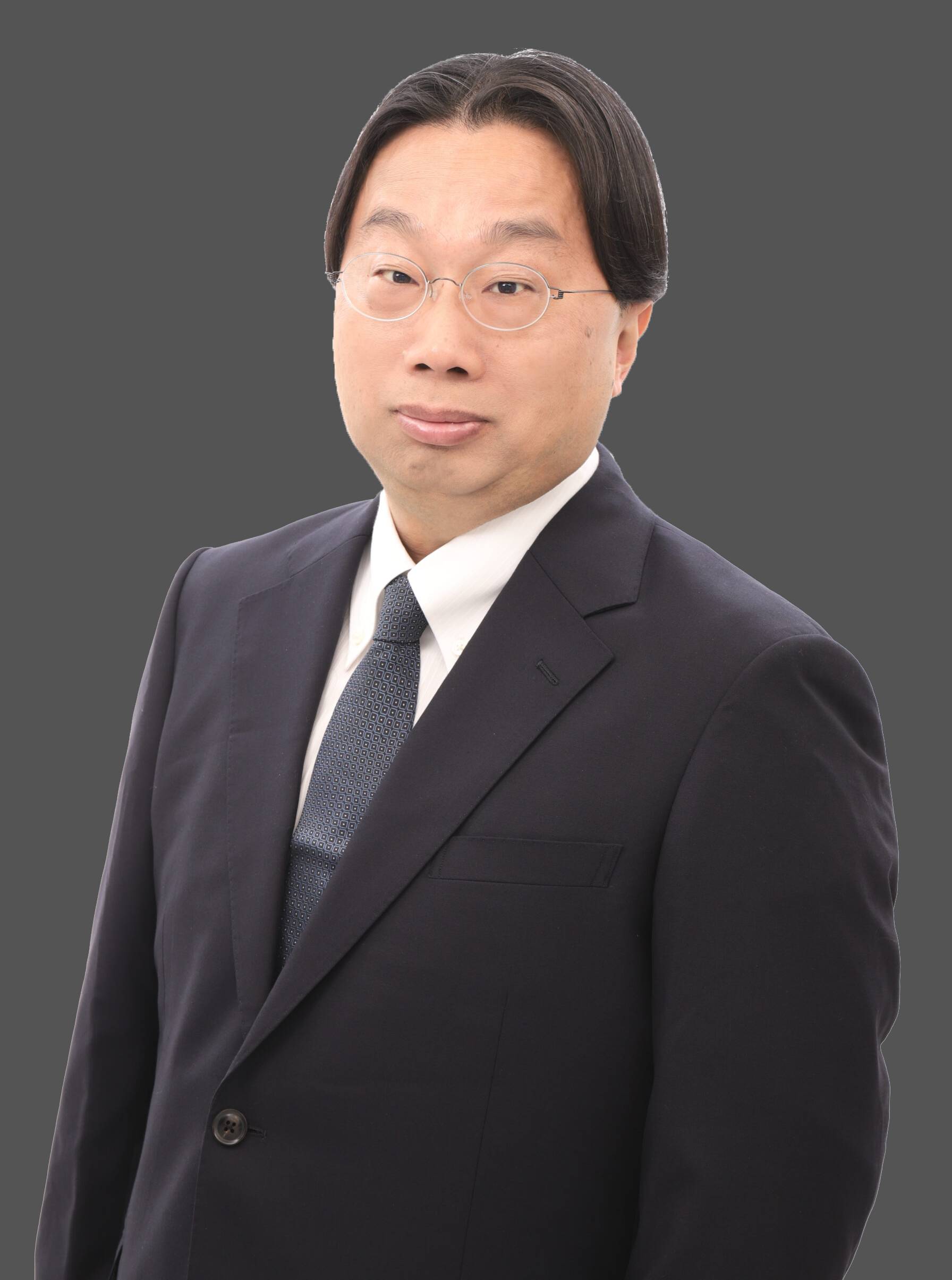
Akio SHIMA
Hitachi Ltd.
“New Energy Management Systems for Decarbonisation”
Akio SHIMA
Hitachi Ltd.
Dr. Akio Shima received the B. E. and M. E. degrees in applied physics from the University of Tokyo in 1993 and 1995 respectively, and received the Ph. D degree from Waseda University in 2008. He is now working as a Distinguished Researcher in Research & Development Group, Hitachi, Ltd., responsible for research activities on Energy Conversion Electronics including SiC power electronics and its industrial application. In particular, he is undertaking research into area energy control technology derived from edge energy management technology.
Anjun QIN
South China University of Technology
“Organic High-Temperature Photothermal Material”
Anjun QIN
South China University of Technology
Anjun Qin received his BS and PhD degrees from Shanxi University and Institute of Chemistry, Chinese Academy of Sciences in 1999 and 2004, respectively. He did his post-doctoral research at the Hong Kong University of Science & Technology (HKUST) and Zhejiang University in 2005−2008. He joined Zhejiang University as an associate professor in 2008 and moved to SCUT with promotion to full professor in 2013. His current research interests include the development of new polymerizations based on triple-bond building blocks, and constructions of organic/polymeric functional materials for high-tech applications.
Bing LI
Harbin Institute of Technology
“Multifunctional Cathodes for High-Performance Hybrid Zinc Batteries”
Bing LI
Harbin
Dr. Li Bing is a Professor at the Harbin Institute of Technology (China), where he leads a research laboratory focused on multivalent metal batteries, electrocatalysis and scanning probe techniques. He previously served as a Research Scientist at the Institute of Materials Research and Engineering (IMRE), A*STAR in Singapore. Dr. Li conducted postdoctoral research at Nanyang Technological University (NTU) and KU Leuven in Belgium after receiving his Ph.D. in Materials Science and Engineering from NTU in 2010. He has published over 100 SCI papers in journals including Nat. Chem. and Adv. Mater., which have been cited more than 12,000 times.
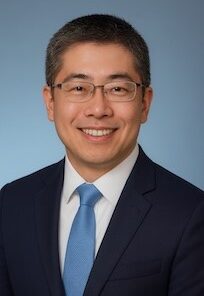
Bo ZHANG
Concord New Energy Group
“Advancing Solar Power and Battery Storage for Singapore’s Energy Security and Carbon-Neutral Future”
Bo ZHANG
Concord New Energy Group
Dr. Bo Zhang earned his Ph.D. in Robotics from the University of Florida and brings over 20 years of industrial R&D experience at the intersection of robotics, AI, and renewable energy. He has held multiple R&D leadership roles and co-founded several technology startups. Formerly a Senior Technical Lead and Senior Scientist at Singapore’s A*STAR, Dr. Zhang now leads the Concord Clean Energy Research Center at CNE Group. His work focuses on integrating AI and robotics to advance zero-carbon power systems, including wind, solar, battery energy storage, and green hydrogen.
Bo ZOU
Jilin University
“Pressure-Induced Emission”
Bo ZOU
Jilin University
Prof. Bo Zou, Dean of College of Physics, Jilin University. His research interests concern high-pressure chemistry. Using the unique thermodynamic parameter of high pressure, some controversial issues in science at ambient pressure have been solved. Large-scale and precise optical properties regulation of piezochromic materials were successfully realized by high pressure, and the concept of pressure induced emission (PIE) was proposed. The applicant further proposed a series of strategies, including steric hindrance effect, nano-size effect and Hydrogen bonding cooperativity effect, to increase the potential barrier of phase transition, thus quenching the high-pressure phase
Chuanbin MAO
CUHK
“Phage-based Biomaterials”
Chuanbin MAO
CUHK
Chuanbin Mao is a Global STEM Professor at the Chinese University of Hong Kong. He is an elected fellow of esteemed professional societies, including AAAS, AAM, ACS, AIMBE, BMES, HKIE, IAMBE, RSC, and PMSE. He has won multiple awards such as US National Science Foundation CAREER Award and All-China Outstanding Doctoral Dissertation Prize. He has authored over 300 peer-reviewed publications in top-tier journals such as Chemical Reviews, Science, Nature Materials, Nature Nanotechnology, and Nature Biomedical Engineering. His current research focuses on genetic engineering of phages to develop new strategies for disease diagnosis and treatment such as cancer detection and immunotherapy.
Dhivya SAMPATH KUMAR
Singapore Institute of Technology
“Powering the Grid with Electric Vehicles: Lessons from Vehicle-to-Grid Charging Infrastructure and Pilot Projects”
Dhivya SAMPATH KUMAR
Singapore Institute of Technology
Dr Dhivya holds a PhD in Electrical and Computer Engineering from the National University of Singapore and previously worked as a Postdoctoral Research Fellow at SERIS. She is currently an Assistant Professor at the Singapore Institute of Technology and the Programme Leader for the MSc in Electrical and Electronics Engineering. Her research focuses on modelling, control, optimisation and management of microgrids and smart grids, grid security and reliability, machine-learning applications in power systems, and optimal integration of distributed energy resources. She also contributes actively to professional bodies including IEEE PES, IEEE Young Professionals, and IES.
Elisabetta COMINI
University of Brescia
“Solid oxide fuel cells: bridging energy and environment for a sustainable future”
Elisabetta COMINI
University of Brescia
Elisabetta Comini is a Full Professor of Physics at the University of Brescia, Italy. Her research focuses on the synthesis and characterization of nanomaterials for sensing and energy applications, including gas sensors and fuel cells. She leads a multidisciplinary laboratory equipped with advanced microscopy and spectroscopy techniques such as AFM, SEM, Raman, and XRD. Prof. Comini has authored numerous scientific publications and serves on international advisory boards in nanotechnology and materials science. Her work has significantly advanced the understanding and application of metal oxide nanostructures.
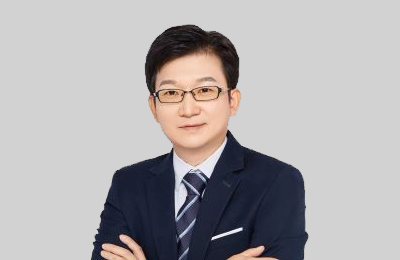
Fan ZHANG
Fudan University
Evelyn WANG
Massachusetts Institute of Technology
Elisabetta Comini is a Full Professor of Physics at the University of Brescia, Italy. Her research focuses on the synthesis and characterization of nanomaterials for sensing and energy applications, including gas sensors and fuel cells. She leads a multidisciplinary laboratory equipped with advanced microscopy and spectroscopy techniques such as AFM, SEM, Raman, and XRD. Prof. Comini has authored numerous scientific publications and serves on international advisory boards in nanotechnology and materials science. Her work has significantly advanced the understanding and application of metal oxide nanostructures.
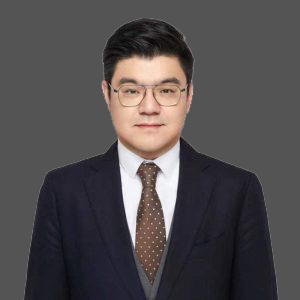
Fei DU
Jilin University
“Solid oxide fuel cells: bridging energy and environment for a sustainable future”
Fei DU
Jilin University
Fei DU, a Tang Aoqing Distinguished Professor at Jilin University, serves as the Director of the Key Laboratory of Physics and Technology for Advanced Batteries (Ministry of Education). Professor Du conducts research in the development of electrode/electrolyte materials and novel energy storage systems. He has published over 220 papers in journals including Nature Communications, Physical Review Letters, Advanced Materials, and Angewandte Chemie International Edition, with an H-index of 51. He was awarded the First Prize of the Jilin Provincial Natural Science Award in 2021, and the Second Prize of the Natural Science Award of the Ministry of Education in 2025.
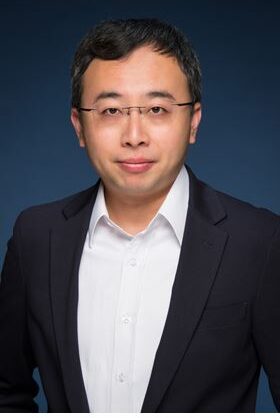
Gary Ka-Leung WONG
HKPU
“Theranostic Agents Achieving PET-MRI Fusion and Photodynamic Therapy”
Gary Ka-Leung WONG
HKPU
Professor Ka-Leung Wong, Chair Professor of Chemistry at PolyU, is an expert in lanthanide chemistry, spectroscopy, and cancer theranostics. He earned his Ph.D. from the HKU and held a Royal Society Fellowship at Durham. He joined HKPolyU from HKBU in 2023. With over 200 publications, an h-index of 64, and 11,000+ citations, his work has led to multiple U.S. patents. He’s received prestigious awards, including the Royal Society Incoming Fellowship and the European Rare Earth and Actinide Society Junior Award, and serves as Main Editor of Journal of Luminescence.

Guangmin ZHOU
Tsinghua SIGS
“Repairing and Upcycling of Electrode Materials from Spent Lithium Ion Batteries”
Guangmin ZHOU
Tsinghua SIGS
Guangmin Zhou is a Tenured Associate Professor in Tsinghua Shenzhen International Graduate School, Tsinghua University. He received his Ph.D. degree from Institute of Metal Research, Chinese Academy of Sciences in 2014, and then worked as a postdoc in UT Austin during 2014-2015 and Stanford University from 2015 to 2019. His research mainly focuses on the development of advanced energy-storage materials and devices, and battery recycling. He has published 300+ articles, and first/correspongding-authored 200 papers published in Nature Catalysis, Nature Nanotechnology, Nature Energy, Nature Sustainability, Nature Protocols, Nature Communications, etc. These publications have been cited more than 55,600 times with an H-index of 113. Dr. Zhou served as Associate Editor/Scientific Managing Editor of Energy Storage Materials (Impact Factor 20.2).
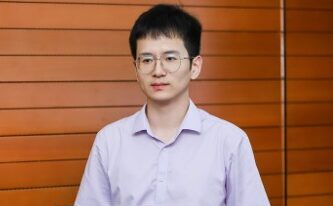
Guanjie HE
University College London
“Cathode Design for Rechargeable Aqueous Zn-ion Batteries”
Guanjie HE
University College London
Prof Guanjie He is a Professor in Materials Chemistry and Engineering, and a prestigious ERC Starting Grant Awardee at University College London (UCL). He is an elected Fellow of Royal Society of Chemistry (FRSC), a Fellow of the Institute of Materials, Minerals and Mining (FIMMM).
He has rapidly expanded his research activities, including through a growing number of collaborations in diverse areas from the core focus of aqueous energy storage and conversion materials and devices, to advanced characterisation and simulation.
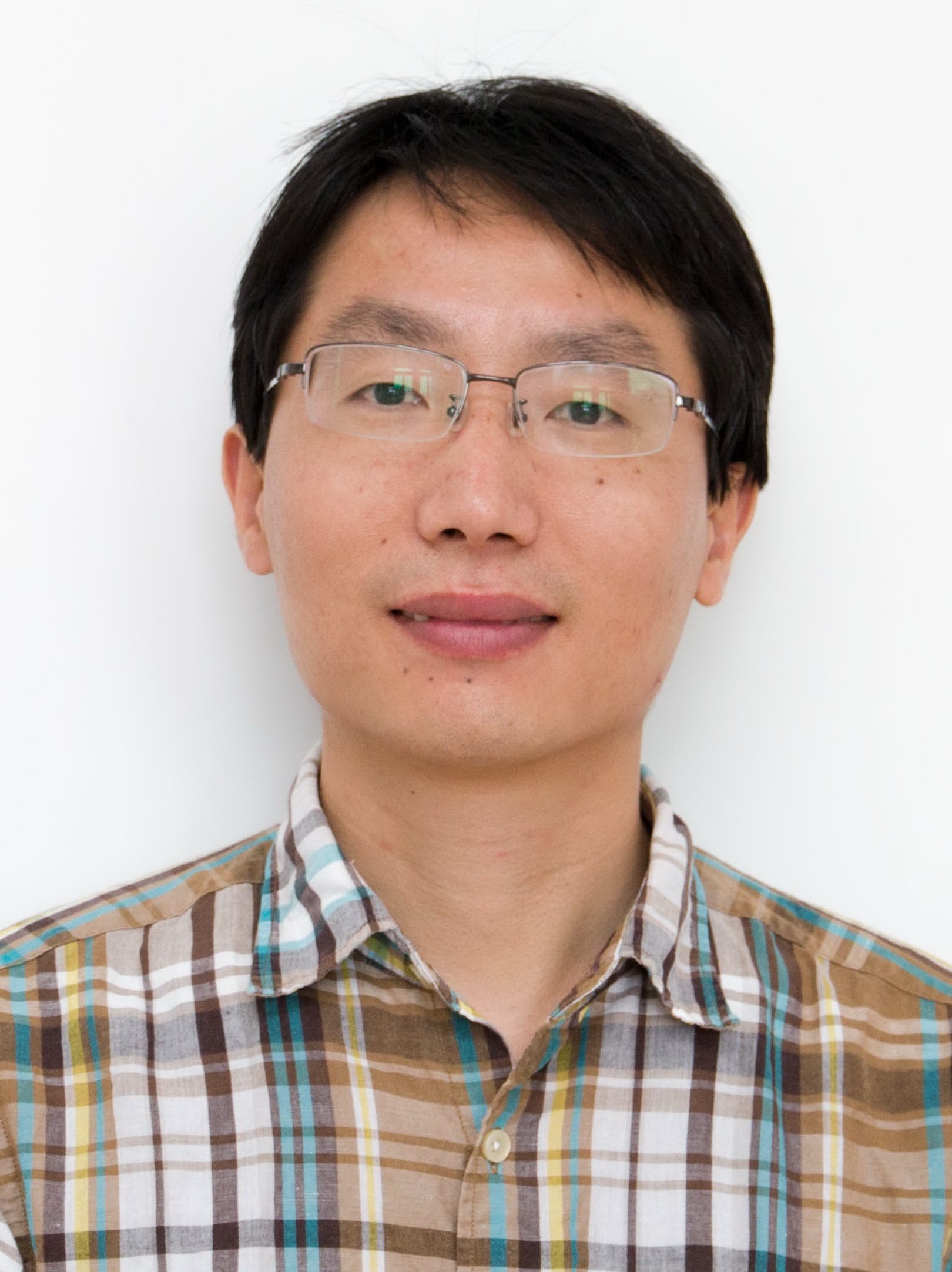
Guichuan XING
Macau
“Room-Temperature Coherent Optical Phonons with Ultralong Lifetime in Perovskite Nano-Superlattices”
Guichuan XING
Macau
Prof. Guichuan Xing is a Professor at the Institute of Applied Physics and Materials Engineering, University of Macau. He received his Ph.D. in Physics from the National University of Singapore (2011) and was a research fellow at Nanyang Technological University (2009–2016). His research spans ultrafast laser spectroscopy, nano-optoelectronics, and metal halide perovskites for light harvesting and emission. He has authored 300+ peer reviewed papers with over 39,000 citations, advancing exciton–phonon dynamics, coherent lattice control, and perovskite device physics.
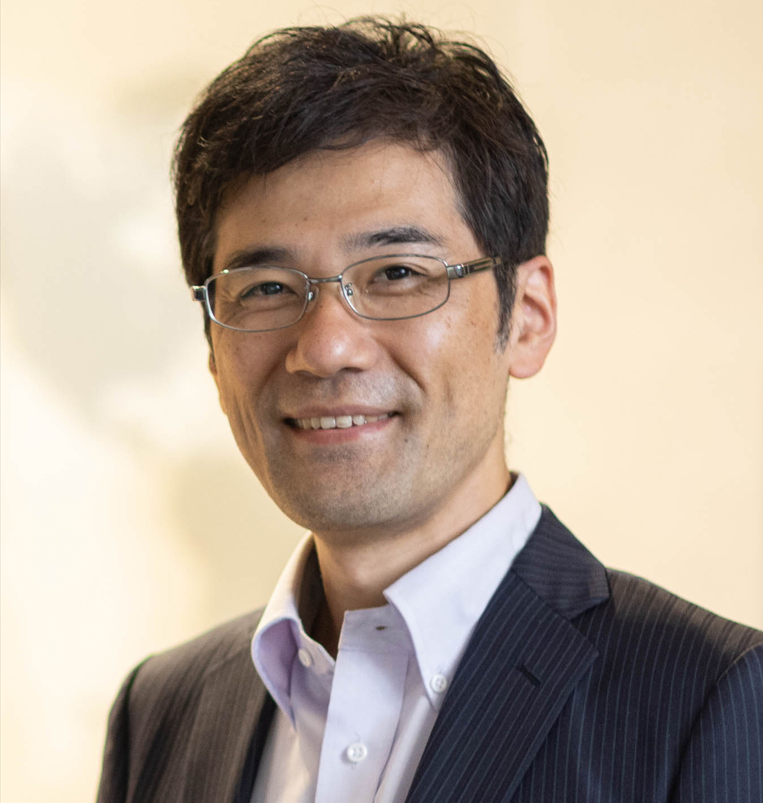
Hirotomo NISHIHARA
Tohoku
“Mass-producible three-dimensional graphene for energy-related applications”
Hirotomo NISHIHARA
Tohoku
Hirotomo Nishihara is a full professor at Tohoku University, Japan. Having obtained his academic degrees from Kyoto University (Japan), he spent most of his career working for Tohoku University up to date. He has received numerous scientific awards, including the prestigious Gottfried Wargener Prize in 2019 and the JSPS Prize in 2020. In 2022, he took his innovations into the business sphere by establishing a startup company, 3DC. As the Chief Science Officer, he is dedicated to the industrialization of a novel porous carbon material, graphene mesosponge, which he developed. His research interests include nanoporous materials and carbon-based materials.
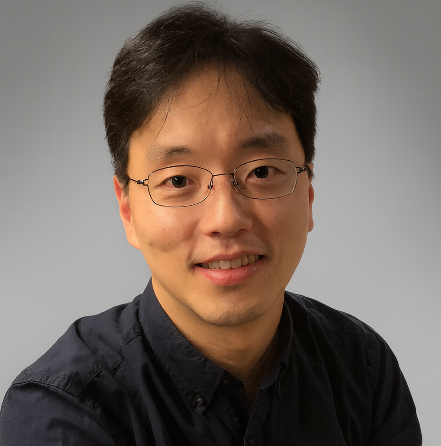
Hyo Jae YOON
Korea University
“From Molecular Thermoelectricity to Bio-Seebeck”
Hyo Jae YOON
SKKU
Professor Hyo Jae YOON earned his B.Sc. in Chemistry from Sogang University, Korea, in 2005 and subsequently completed his Ph.D. in Supramolecular Chemistry at Northwestern University, USA, in 2010 under the supervision of Professor Chad A. Mirkin. From 2010 to 2014, he pursued postdoctoral research at Harvard University, USA, under the mentorship of Professor George M. Whitesides.
Currently, Professor Yoon is a full professor, department chair, graduate program director, director of Center for Advanced Molecular Science, and vice-director of BK21 Center in the Department of Chemistry at Korea University, Seoul, Korea. Professor Yoon has received several honors, including recognition as a Young Investigator Fellow of the POSCO Chung-Am Science Foundation, a recipient of the Research Achievement Award from the Korean Ministry of Education, the KU Granite Research Award, and the S-OIL Next-Generation Scientist Award (bestowed by the Korean Academy of Science and Technology, KAST). He is also a member of the Young Korean Academy of Science and Technology (YKAST) and serves as an executive committee member of the natural sciences division of YKAST. In addition to his academic roles, Professor Yoon is an associate editor for ACS Applied Nano Materials. His current research focuses on organometallic chemistry, surface chemistry, molecular orbitronics, and molecular energy conversion.
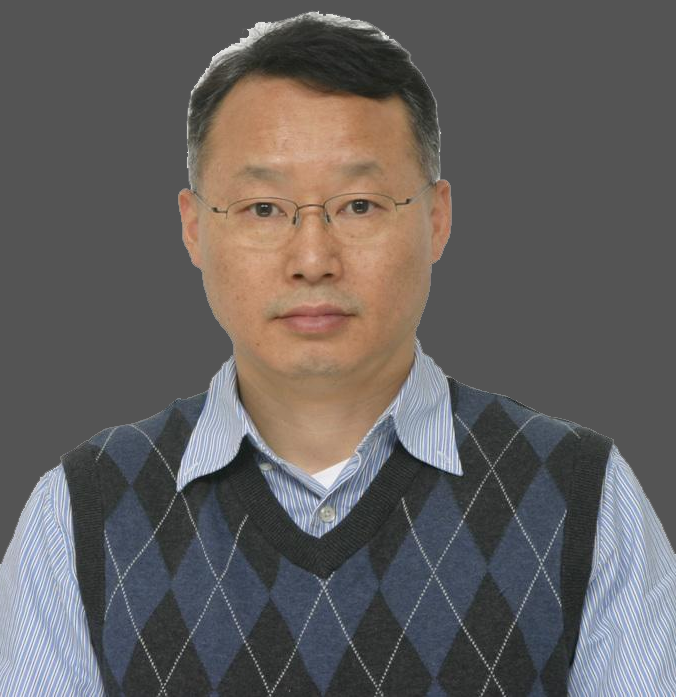
Hyoyoung LEE
Sungkyunkwan University
“CO2 Capture and Low-Temperature Release and High-Purity Multicarbon Conversion ”
Hyoyoung LEE
Sungkyunkwan University
Prof. Hyoyoung Lee is a leading chemist and materials scientist renowned for pioneering research in energy conversion and catalysis. After earning his Ph.D. from the University of Mississippi (1997) and completing postdoctoral work at North Carolina State University, he began his career at ETRI and now serves as a Professor and SKKU Fellow at Sungkyunkwan University. His work on visible photocatalysts (blue TiO₂), CO₂ reduction, water splitting, and nitrogen fixation integrates nanomaterials and hybrid catalysts for sustainable energy solutions. Author of 270+ papers with an h-index of 72, Prof. Lee’s innovations significantly advance green energy technologies.
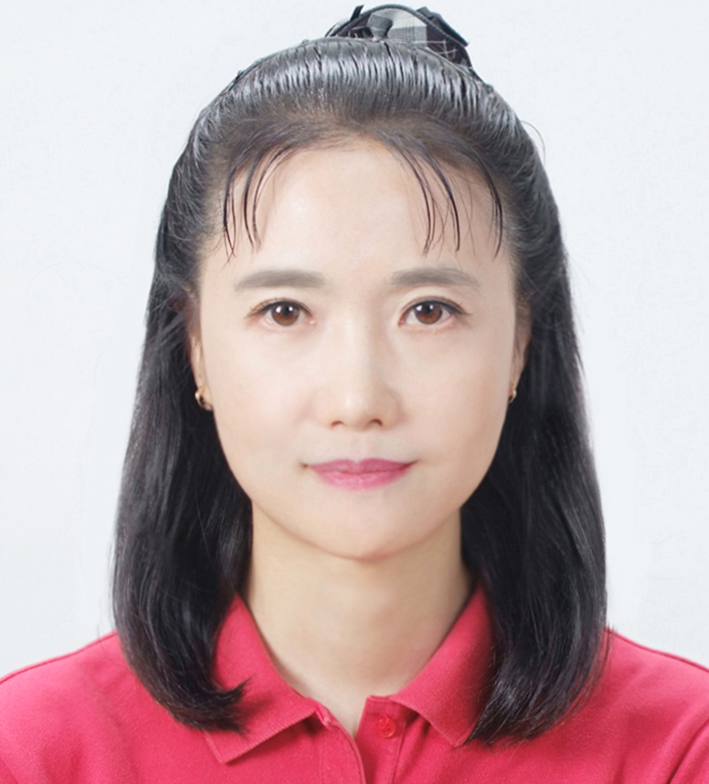
Ji-Hyun JANG
Ulsan National Institute of Science and Technology
“A Solar-Powered Evaporator based on Graphite and Perovskite Oxide”
Ji-Hyun JANG
Ulsan National Institute of Science and Technology
Ji-Hyun Jang is a Professor in the School of Energy and Chemical Engineering at UNIST, Korea. She earned her Ph.D. in Chemistry from KAIST in 2004 and conducted postdoctoral research with Ned Thomas at MIT on 3D nanostructure fabrication via interference lithography. Her current research focuses on nanomaterials for energy processes, including photocatalysis for hydrogen generation, solar desalination, electrochemical energy storage, and 2D material synthesis. She serves as an Associate Editor of Materials Today Energy (Elsevier) and is on the editorial boards of ACS Energy Letters (ACS) and Materials Today Catalysis (Elsevier).
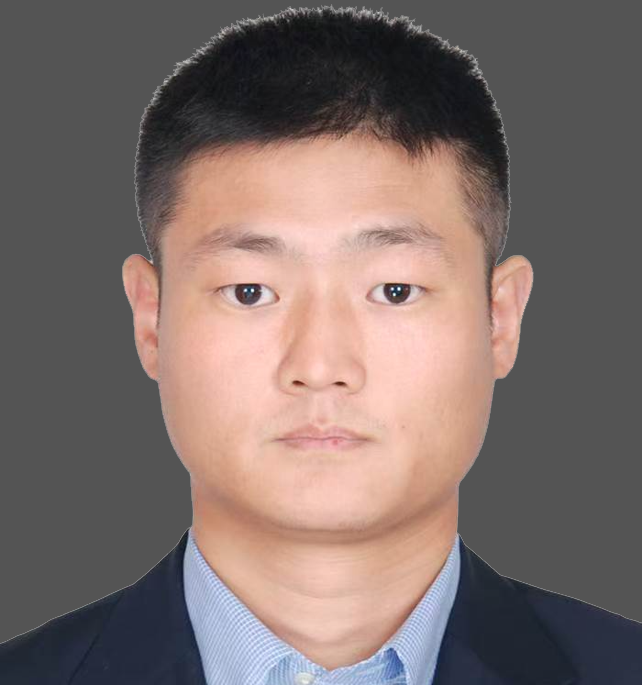
Jiangwei WANG
Zhejiang University
“Electropulsing-induced plasticity and structural changes of Metallic Nanomaterials”
Jiangwei WANG
Zhejiang University
Prof. Jiangwei Wang received his PhD degree from University of Pittsburgh in 2014, and jointed in School of Materials Science and Engineering, Zhejiang University in 2016. His research interests are in the interface-dominated plasticity of metallic materials and in situ transmission electron microscopy. He has published more than 160 papers in Nature, Nature Materials, Nature Communications, Science Advances, PNAS etc., with the citation of 12000+ and a H-index of 54.
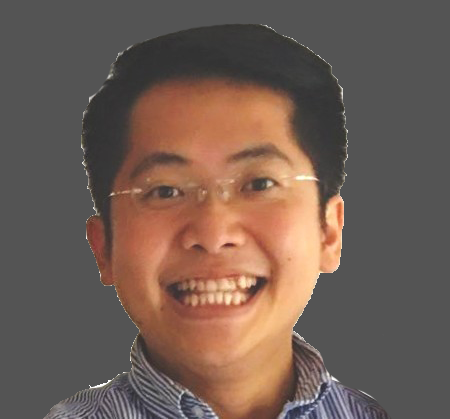
Joven LIM
UKAEA
“Accelerating Realisation of Sustainable Fusion Energy Through Spectrally Tailored Neutron Fields: The TμNED Approach”
Joven LIM
UKAEA
Dr. Joven Lim is a nuclear materials scientist since 2011 and is pioneering research in extreme radiation environments. He currently serves as Principal Investigator at the UK Atomic Energy Authority, Design-by-Fundamental Lead for Corrosion at the UK Industrial Fusion Solutions Ltd, and Honorary Associate Professor at the University of Brimingham, where he directs high-impact nuclear materials R&D and strategic innovation initiatives. Dr. Lim is internationally recognized for his recent development of the world’s first non-deuterium-tritium (non-DT) accelerator-based fusion prototypic neutron source, TNED, a breakthrough enabling more representative testing of Tritium breeder and materials for fusion applications. A dynamic speaker and technical mentor, Dr. Lim continues to push the boundaries of fusion energy innovation and materials engineering on the global stage.
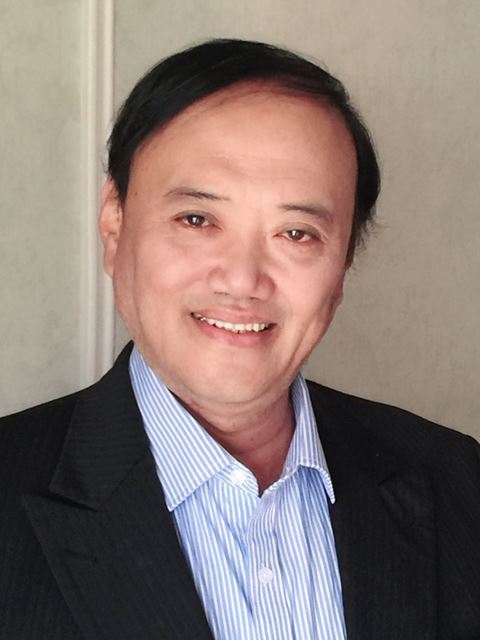
Jun-Jie ZHU
Nanjing University
“Electrochemiluminescence Imaging for Bioanalytical Application”
Jun-Jie ZHU
Nanjing University
Dr. Jun-Jie Zhu is a full professor at Nanjing University. His mainly research work in nano-bioanalytical chemistry, including the synthesis of biofunctional nanoparticles, biological and biomedical applications of nanoparticles, electrochemical and fluorescence biosensors. Research in Dr Zhu laboratory is multidisciplinary involving chemistry, nanotechnology, surfaces, sensors, and bioapplication. Dr Zhu laboratory has developed some methods using nanoparticles as vehicle for biosensing and biomolecular imaging. Zhu group has developed and demonstrated diverse nanomaterial systems employed in cancer cell imaging, intracellular ROS detection, therapeutic applications, and others.
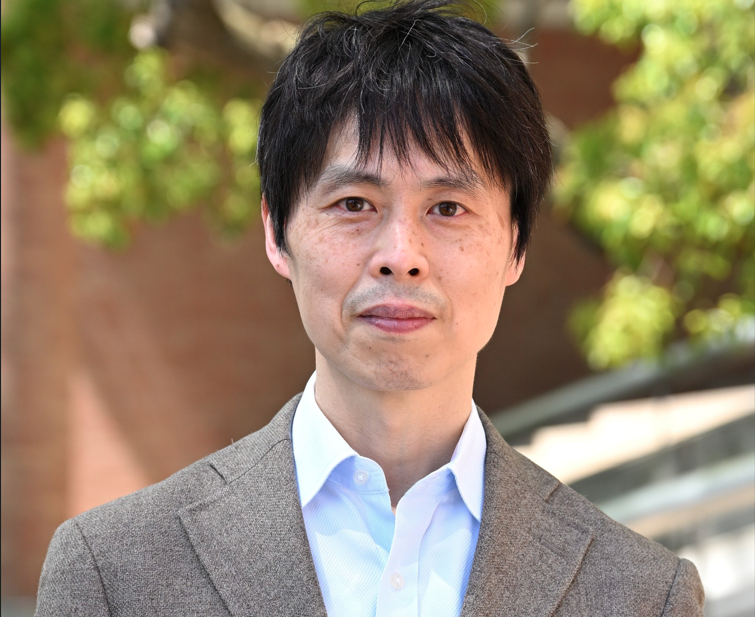
Kei NODA
KEIO
“Photocatalytic energy conversion using polymeric carbon nitrides”
Kei NODA
KEIO
Kei Noda received the doctoral degree from Kyoto University in 2002. After working as a Humboldt foundation research fellow at the Max Planck Institute for Solid State Research and as an assistant professor at the Graduate School of Kyoto University, he became a lecturer and an associate professor in the Department of Electronics and Electrical Engineering at Keio University in 2013 and 2015, respectively. He has been a full professor in the same department since April 2021. His research interests include physical properties and application of various semiconductors such as carbon-based materials and metal oxides.
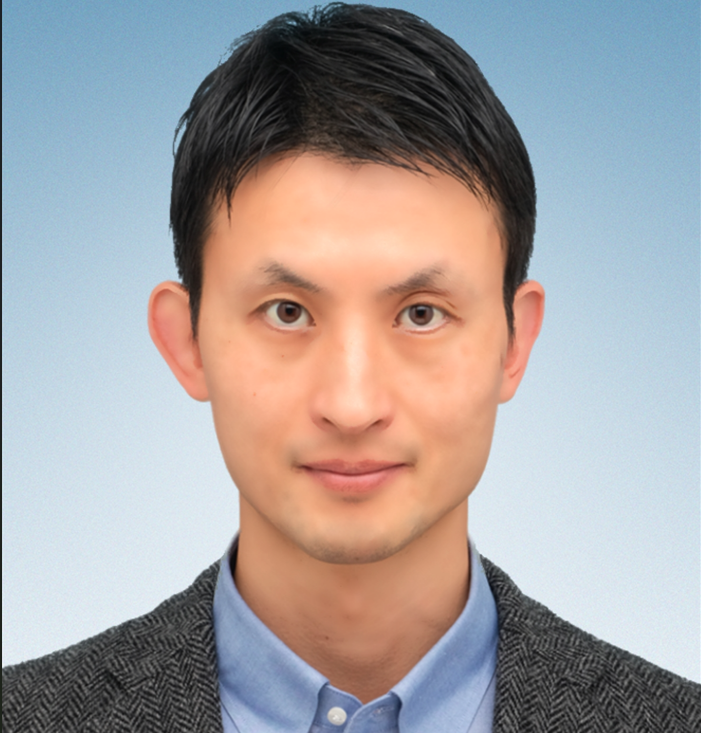
Kotaro TAKEYASU
Hokkaido University
“Carbon catalysts for sustainable energy: from fuel cells to hybrid electrochemical systems”
Kotaro TAKEYASU
Hokkaido University
Kotaro Takeyasu is an Associate Professor at the Institute for Catalysis, Hokkaido University. He received his Ph.D. at the University of Tokyo under Prof. Katsuyuki Fukutani and pursued postdoctoral research at Osaka University and Kyoto University. From 2018, he worked as an Assistant Professor at the University of Tsukuba with Prof. Junji Nakamura before joining Hokkaido University in 2024. His research focuses on surface science and catalysis, particularly carbon-based electrocatalysts and the concept of mixed-potential-driven reactions.
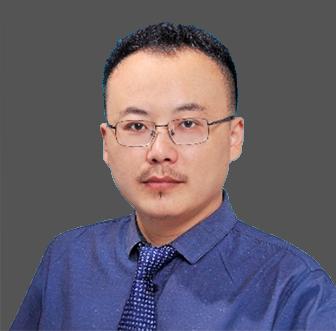
Kun ZHANG
Donghua University
“Design, Manufacturing and Applications of Thermoelectric Textiles”
Kun ZHANG
Donghua University
Dr. Kun Zhang is a Professor and Department Head at the Department of Textile Engineering, Donghua University, China. He received his PhD degree from Texas Tech University in 2014, and continued his postdoctoral research at Texas A&M University in 2015. He started independent academic career at Donghua University in 2016. His group focuses on fundamental understanding of thermal and electrical/ionic transport in nanomaterials, and novel applied technologies for e-textiles by the integration of energy materials science with advanced textile manufacturing and artificial intelligence, such as thermoelectric textiles for body heat harvesting, personal thermoregulation and thermal camouflage, multi-modal fiber-based sensor arrays.
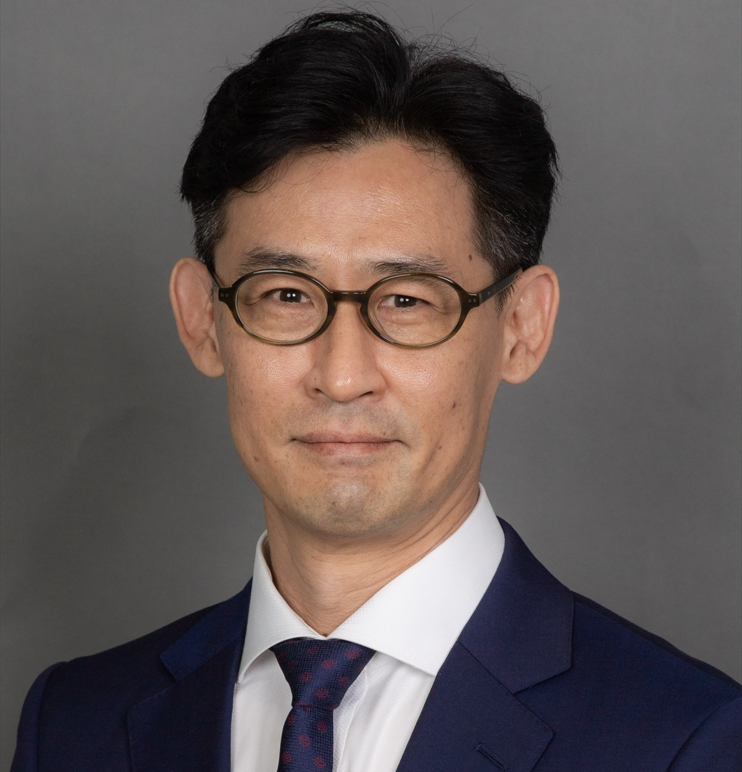
Lawrence Yoon Suk LEE
The Hong Kong Polytechnic University
“Recycling of Waste Lithium-Ion Batteries – An Urban Mine of Transition Metals”
Lawrence Yoon Suk LEE
The Hong Kong Polytechnic University
Prof. Lawrence Yoon Suk Lee earned his Ph.D. from McGill University, Canada, in 2006 and currently serves as an Associate Professor at The Hong Kong Polytechnic University. His research focuses on developing innovative semiconductor-based nanomaterials for (photo)electrocatalytic water splitting, CO2 reduction, and electrode materials for lithium and sodium-ion batteries. Leading an electrochemistry-specialized group, he employs advanced electrochemical and photochemical techniques, alongside state-of-the-art characterization methods, to explore nanomaterial atomic structures and their catalytic evolution. Recently, his team pioneered a laser ablation technique for precise control of 2D nanomaterials and layered cathode materials, advancing sustainable energy conversion and storage.
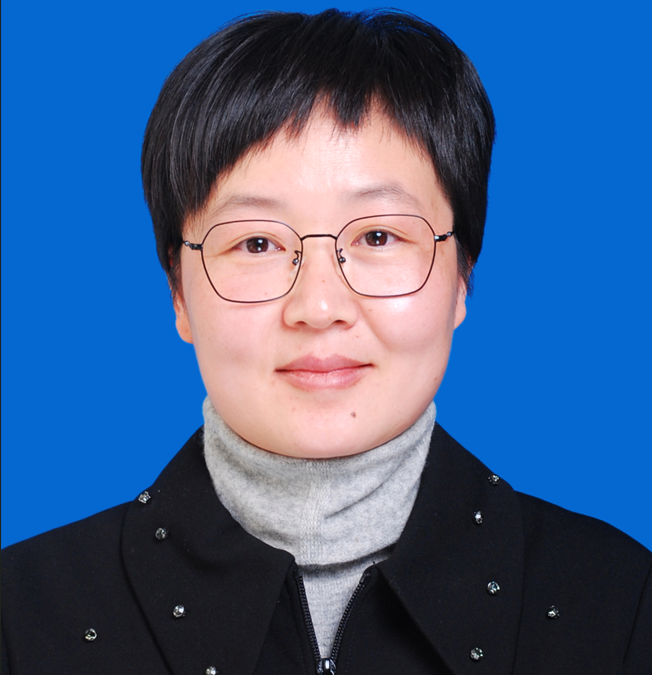
Ling ZHANG
Institute of Plasma Physics, Chinese Academy of Sciences
“Tungsten spectroscopic diagnostics in the Experimental Advanced Superconducting Tokamak (EAST) with full tungsten divertors”
Ling ZHANG
Institute of Plasma Physics, Chinese Academy of Sciences
Dr. Ling ZHANG currently serves as Deputy Head of the Plasma Diagnostic Division at the Institute of Plasma Physics, Chinese Academy of Sciences (ASIPP). She also holds the position of Chair of the Passive Spectroscopy Working Group under the Diagnostic Topic Group of the ITER International Tokamak Physics Activity (ITPA).
Dr. ZHANG earned her PhD degree from the University of Science and Technology of China (USTC) in 2008, with her research focusing on spectroscopic diagnostics and impurity transport in magnetically confined fusion plasmas. Over the past 15 years, she has led the development of a high-performance impurity diagnostic platform for the Experimental Advanced Superconducting Tokamak (EAST), making significant contributions to advancing plasma diagnostic capabilities in EAST fusion research.
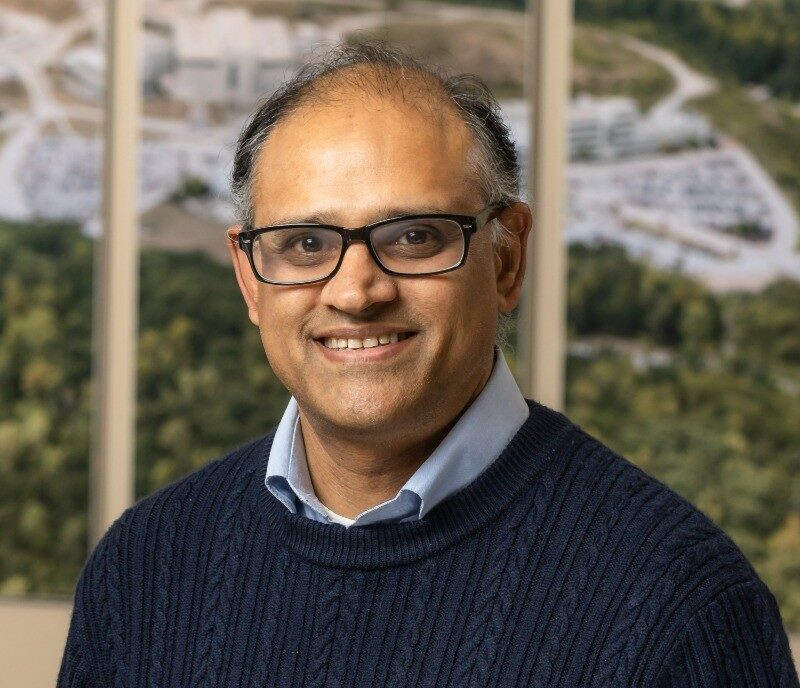
Mahalingam BALASUBRAMANIAN
Oak Ridge National Laboratory
“Energy Storage Program for the Electric Grid at Oak Ridge National Laboratory”
Evelyn WANG
Massachusetts Institute of Technology
Dr. Evelyn N. Wang is the Vice President for Energy and Climate and the Ford Professor of Engineering at the Massachusetts Institute of Technology (MIT). She previously served as the Senate-confirmed Director at the Advanced Research Projects Agency-Energy (ARPA-E) from 2023-2025, where she led the Agency’s development, launch, and execution of high-risk, high-reward energy research and development programs. At MIT, she developed technologies for thermal management, energy conversion and storage, and water harvesting and purification. Dr. Wang holds a Ph.D. in Mechanical Engineering from Stanford University. She also received an M.S. in Mechanical Engineering from Stanford University and a B.S. in Mechanical Engineering from MIT. She is a member of the National Academy of Engineering, and Fellow of the American Society of Mechanical Engineers, American Association for the Advancement of Science, and the American Academy of Arts and Sciences.
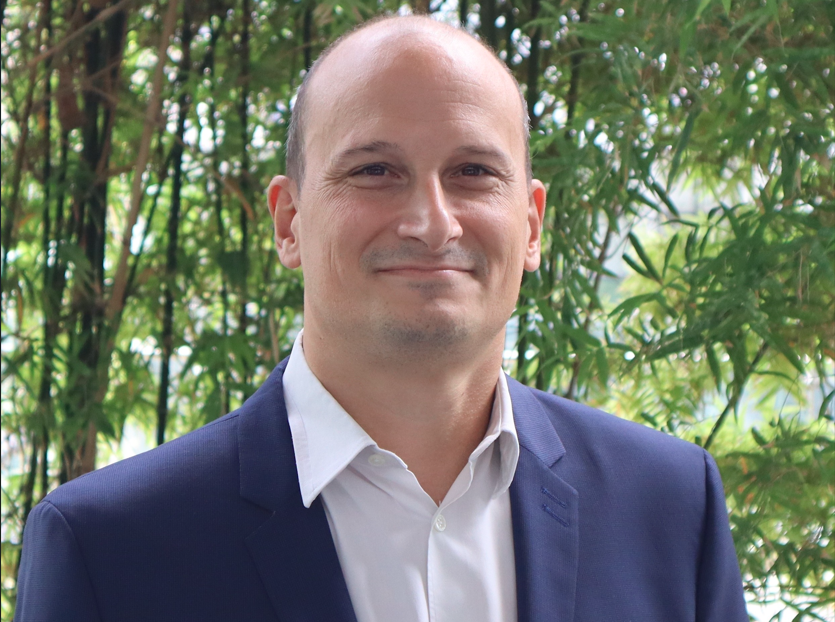
Mathieu SALANNE
Sorbonne
“Understanding electrochemical energy storage devices from molecular dynamics simulations”
Mathieu SALANNE
Sorbonne
Mathieu Salanne is professor of chemistry at Sorbonne University and visiting professor at CNRS@CREATE (Singapore). His research field is the simulation of electrolytes for energy production and storage, with a focus on electrochemical interfaces. His research has been recognized by the IUPAP young scientist prize in computational physics in 2014, and he obtained an ERC consolidator grant in 2017 (AMPERE project). In 2020 he was appointed as a junior member of Institut Universitaire de France. He was member of the Editorial Advisory Board of the Journal of Chemical Physics, and currently serves as an Executive Editor for ACS Nano.
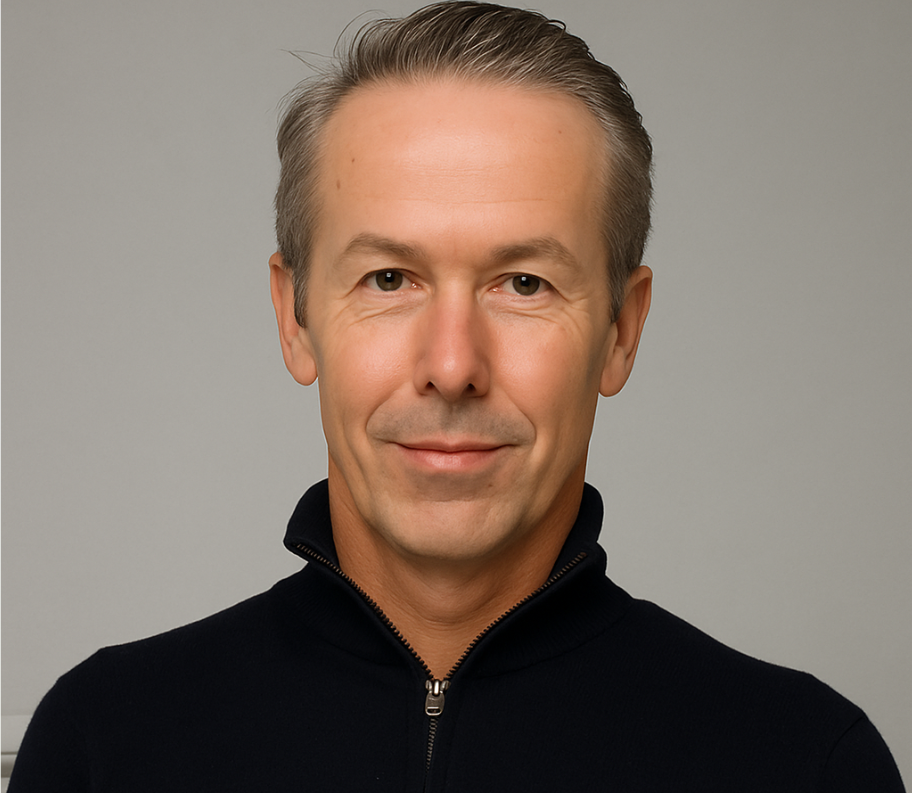
Michael WYER
Quantum Graphite Limited
“Scalable Long Duration Energy Storage using TES Graphite Cells”
Michael WYER
Quantum Graphite Limited
Michael Wyer, has over a decade of board-level experience in listed commodity companies and more than 30 years history in global banking, global commodities, heavy industry, mining & trading industries. He is a currently NED of Quantum Graphite Limited (ASX: QGL) which is a brownfield flake graphite project and major graphite export hub development in South Australia. QGL is the raw material partner to The Sunlands Energy Company which is developing Long Duration Energy Systems utilising the unique thermal properties of natural flake graphite.
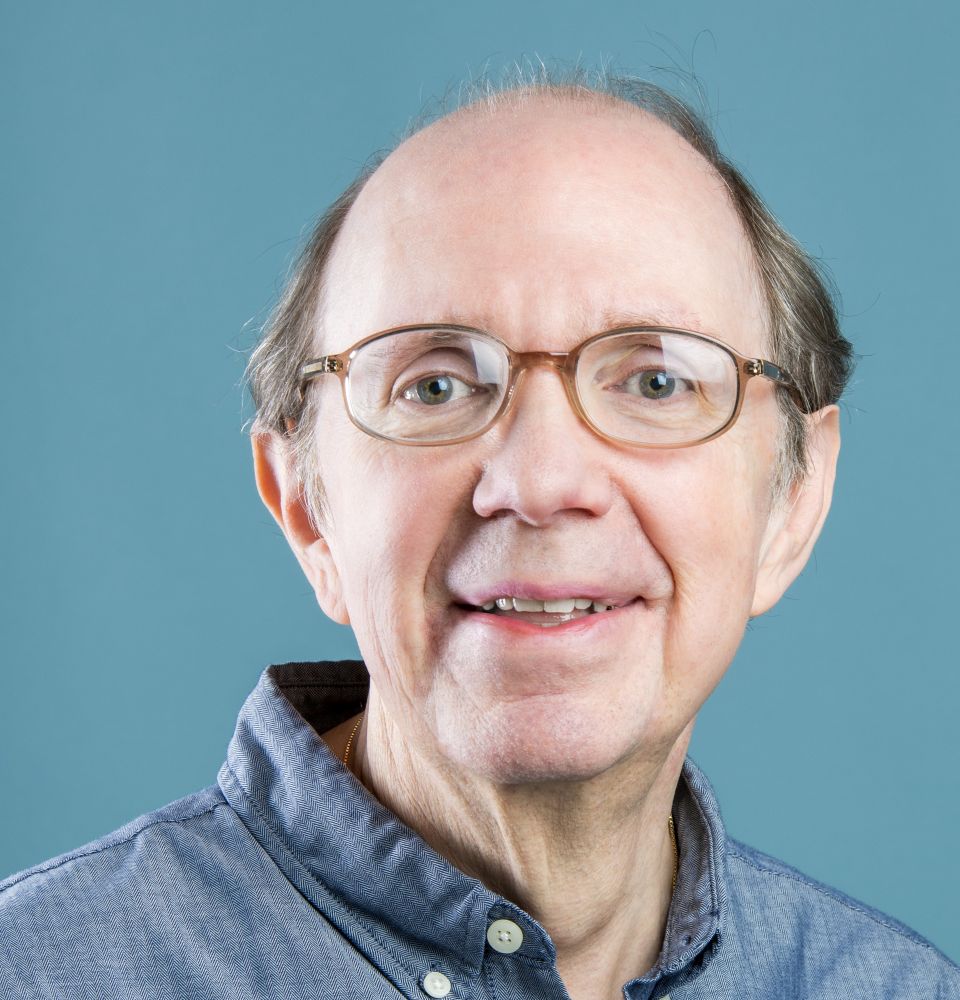
Michel Laurent TRUDEAU
Concordia University
“Advancing Energy Sustainability in Isolated Villages: Integrating Batteries and Hydrogen”
Michel Laurent TRUDEAU
Concordia University
Michel L. Trudeau is professor of Sustain Hydrogen Technology at Concordia University. He previously worked for 36 years at the Hydro-Quebec Research Institute in Li batteries, hydrogen electrolysis, hydrogen storage, catalysis, new soft magnetic materials, fuel cells and semiconductor compounds for water splitting. He also developed one of the best industrial materials characterization laboratory in Canada. He has co-invented 4 patents and co-authored 200 research papers (H-factor of 53). He is a Fellow of the American Physical Society and of the Institute of Physics. In 2023, he was awarded the CAP Medal for Outstanding Achievement in Industrial and Applied Physics.
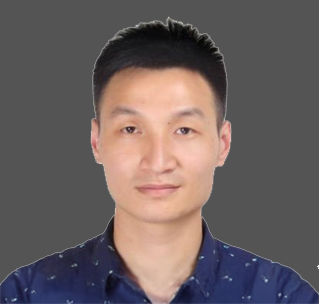
Mingwu TAN
A*STAR ISCE2
“Surface-engineered zeolite nanosheet-supported Ni catalysts for efficient hydrodeoxygenation of bio-oil derivatives”
Mingwu TAN
A*STAR ISCE2
Dr. Tan earned his Ph.D. from Shanghai University in 2016 and is now a senior Scientist II at ISCE2, ASTAR. His research focuses on CO₂ hydrogenation, bio-oil upgrading, and hydrogen production. He leads an ASTAR Career Development project on CO₂-to-SAF and two GAP projects on aqueous-phase reforming, and he also collaborates with ExxonMobil on an industrial project. He has published over 50 papers in journals such as Nature Communications, Angewandte Chemie, and Applied Catalysis B, and is recognized for mentoring young researchers. He frequently organizes catalysis symposia across the Asia-Pacific region and in Singapore.
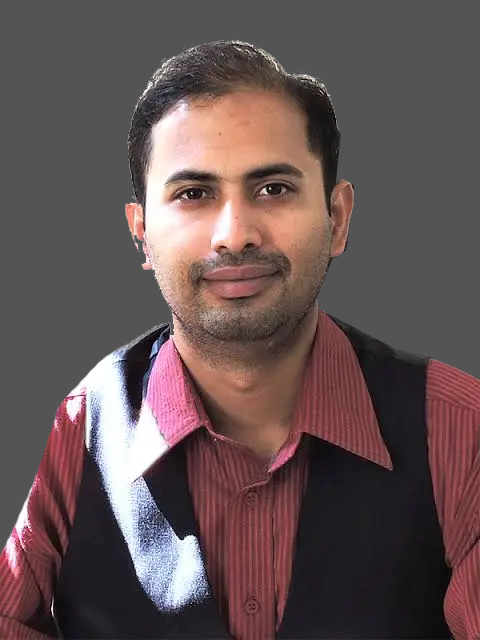
Prabeer BARPANDA
Indian Institute of Science
“New Electrode Materials for Sodium-ion Batteries”
Evelyn WANG
Massachusetts Institute of Technology
Dr. Evelyn N. Wang is the Vice President for Energy and Climate and the Ford Professor of Engineering at the Massachusetts Institute of Technology (MIT). She previously served as the Senate-confirmed Director at the Advanced Research Projects Agency-Energy (ARPA-E) from 2023-2025, where she led the Agency’s development, launch, and execution of high-risk, high-reward energy research and development programs. At MIT, she developed technologies for thermal management, energy conversion and storage, and water harvesting and purification. Dr. Wang holds a Ph.D. in Mechanical Engineering from Stanford University. She also received an M.S. in Mechanical Engineering from Stanford University and a B.S. in Mechanical Engineering from MIT. She is a member of the National Academy of Engineering, and Fellow of the American Society of Mechanical Engineers, American Association for the Advancement of Science, and the American Academy of Arts and Sciences.
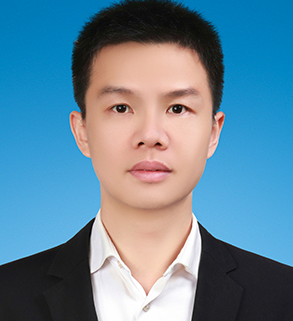
Qiushui CHEN
Fuzhou University
“Innovation in X-Ray Imaging Techniques and Instrumentation”
Qiushui CHEN
Fuzhou University
Qiushui CHEN is a Professor at the College of Chemistry, Fuzhou University. He received his Ph.D. from Tsinghua University in 2014 and subsequently conducted research at Harvard University and the National University of Singapore before joining Fuzhou University in 2019. His research focuses on analytical chemistry and the development of scientific instruments, with significant contributions to X-ray imaging technologies, microfluidic chips, and nanobiosensing. He has published over 60 papers in leading journals including Nature, Nature Methods, Nature Communications, and Angewandte Chemie. In 2022, he was awarded the Youth Chemistry Award of the Chinese Chemical Society.
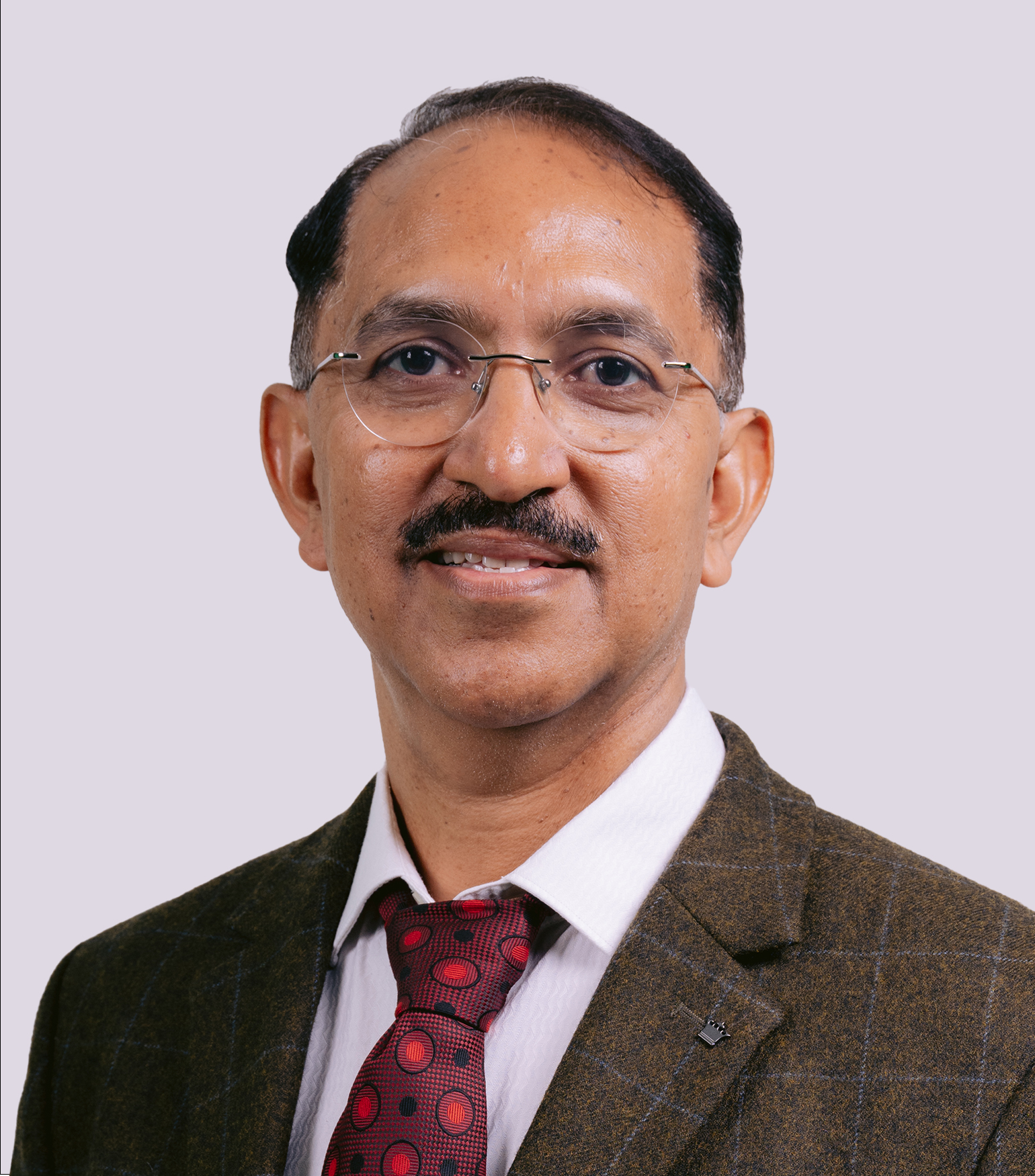
Rajdeep Singh RAWAT
Nanyang Technological University
“Regulation of Excited States in Lanthanide-Molecule Hybrid Systems”
Rajdeep Singh RAWAT
Nanyang Technological University
Rajdeep is a Professor in Physics in Nanyang Technological University, Singapore with key expertise in the field of plasma sources, plasma diagnostics and applications with particular focus on hot dense pinch plasmas. He has participated in 55 research grants amounting >25 M$, graduated 18 PhD students, published >300 Journal papers, 5 patents, and delivered 37 Plenary/Keynotes talks. He is currently the President of International Physics Olympiad, Chair of Division of Plasma Physics of AAPPS, the President of Asian African Association for Plasma Training, and Executive Council Member of IEEE PSAC. He serves as Associate Editor of Review of Modern Plasma Physics (Springer).
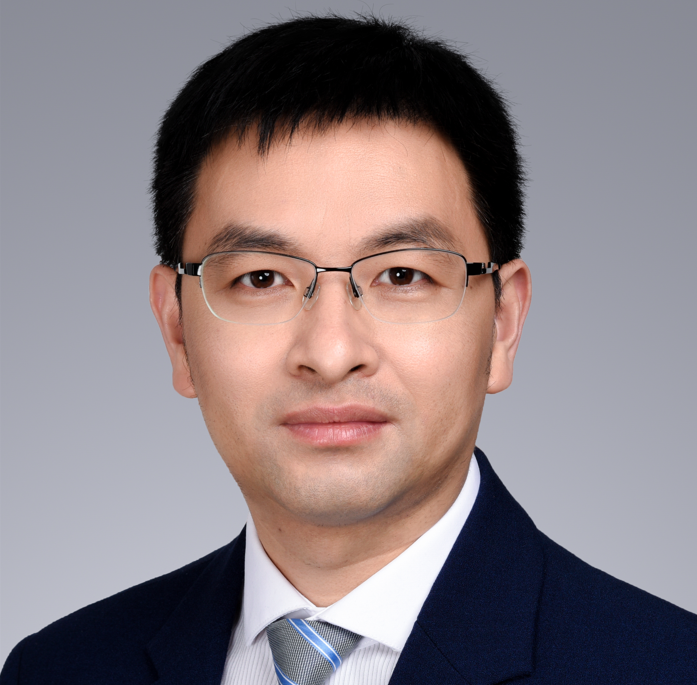
Sanyang HAN
Tsinghua Shenzhen International Graduate School
“Regulation of Excited States in Lanthanide-Molecule Hybrid Systems”
Sanyang HAN
Tsinghua Shenzhen International Graduate School
Sanyang Han is currently an associate professor at the Tsinghua University Shenzhen International Graduate School, Tsinghua University. He received his Ph.D. in Chemistry from the National University of Singapore in 2014, and subsequently conducted postdoctoral research at the Cavendish Laboratory, University of Cambridge, UK. He has been recognized as a Marie Skłodowska-Curie Fellow, a National High-Level Young Talent, and a Distinguished Appointee under the “Pengcheng Peacock Plan.” Currently, his research focuses on the preparation and photophysical studies of lanthanide luminescent materials, spanning multiple disciplines such as chemistry, physics, materials science, interface spectroscopy, and biology. In recent years, he has published over 70 scientific papers in prestigious international journals, including Nature, Nature Photonics, Nature Communications, Angewandte Chemie, Advanced Materials and so on. His research achievements were selected as one of the “Top Ten Rare Earth Science and Technology News in China in 2017” and received a “Nomination Award for China’s Top 10 Optical Advances in 2021.”
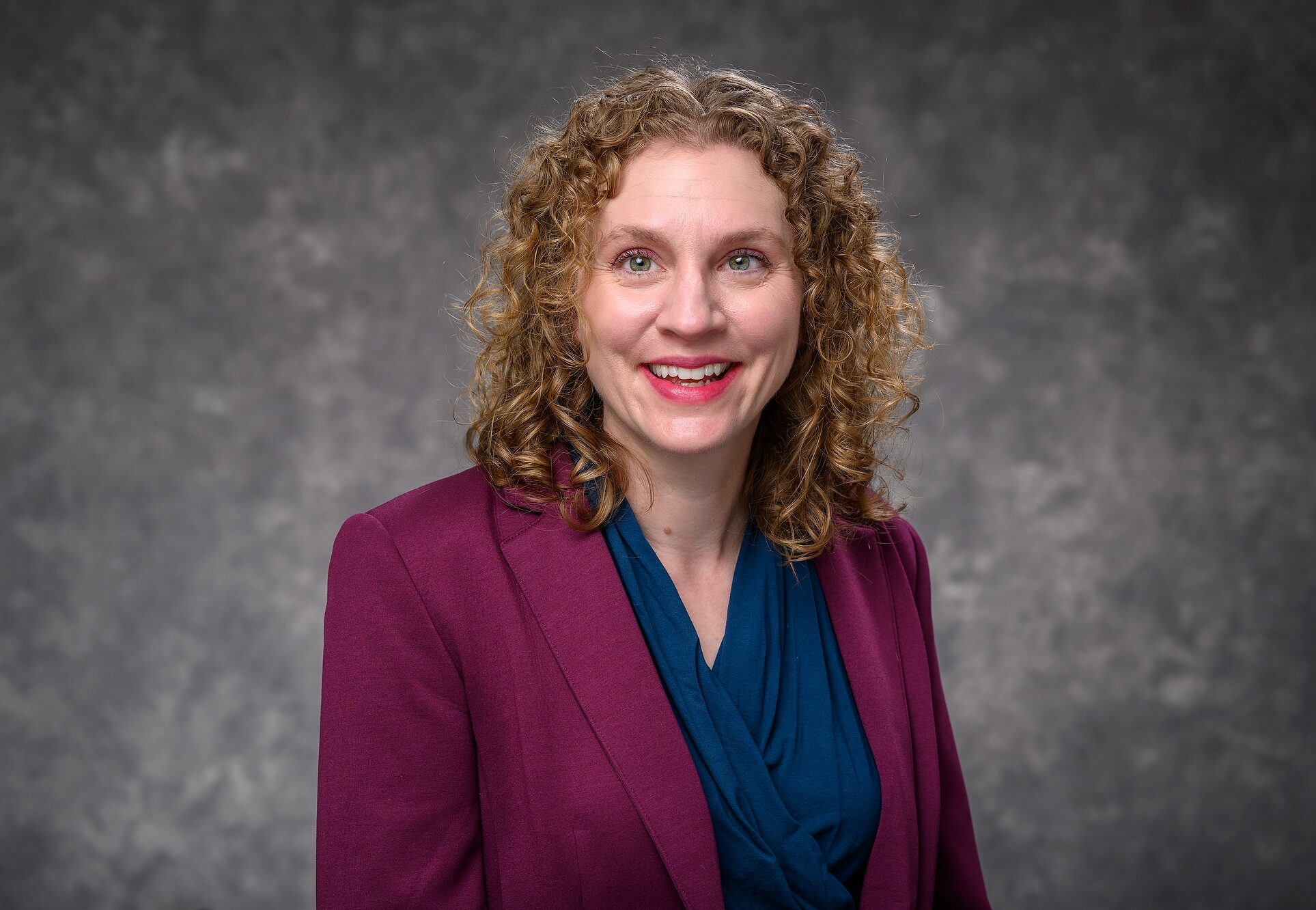
Stephanie DIEM
University of Wisconsin-Madison
“Fusion Forward: Seeding Innovation for a Flourishing Fusion Energy Ecosystem”
Stephanie DIEM
University of Wisconsin-Madison
Stephanie Diem is a faculty member in Nuclear Engineering & Engineering Physics at the University of Wisconsin–Madison. She leads the Pegasus-III Experiment, a U.S. Department of Energy–funded project advancing fusion energy technology, and heads the Fusion Impacts Collaborative, which studies the societal, safety, and risk dimensions of fusion. Prof. Diem serves as a U.S. Science Envoy for the Department of State and Vice President of the University Fusion Association. She is a member of the National Academies’ New Voices program and earned BS degrees in Nuclear Engineering and Physics from UW–Madison and a PhD from Princeton University.
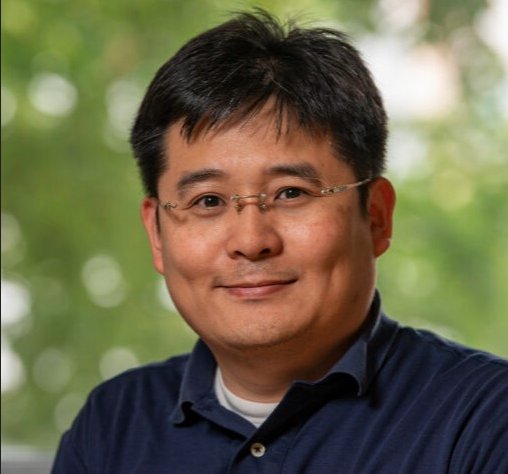
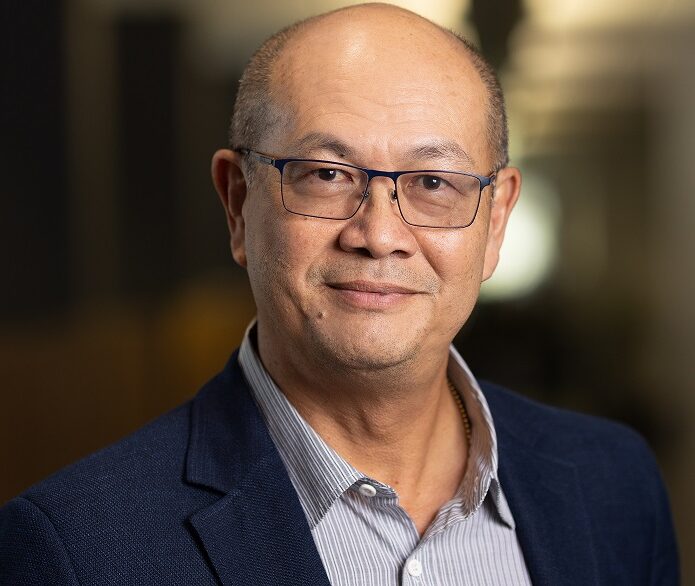
Su HA
Washington State University
“Caustic Aqueous Phase Electrochemical Reforming (CAPER) Technology for Process Intensified Hydrogen Production”
Su HA
Washington State University
Tek Tjing LIE
Auckland University of Technology
“Enhanced Solid State DCCB Design with Passive Surge Absorber”
Tek Tjing LIE
Auckland University of Technology
Professor Tek Tjing Lie currently serves as the Head of School (Dean of Engineering) at the Auckland University of Technology (AUT) School of Engineering, Computer and Mathematical Sciences. He earned his BS degree from Oklahoma State University, followed by MS and PhD degrees from Michigan State University. Prior to his current role, Professor Lie held academic positions in the School of Electrical and Electronic Engineering at Nanyang Technological University. His research focuses on various aspects of electrical power systems, including Power System Operation and Control, Deregulated Electrical Power Markets, AI Applications in power systems, Renewable Energy and Smart Grids.
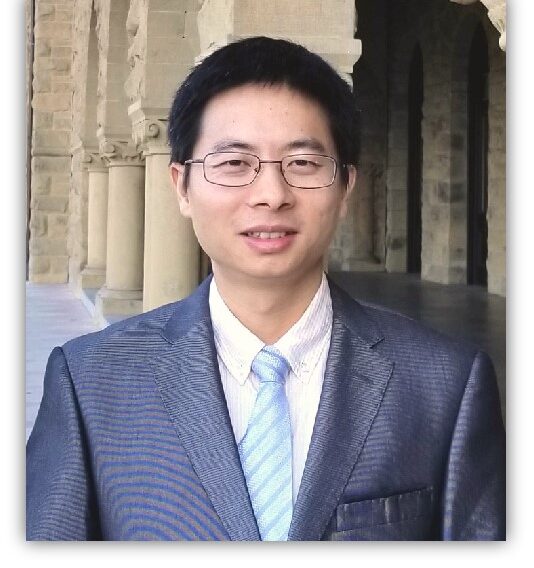
Thawatchai ONJUN
Thailand Institute of Nuclear Technology
“Thailand’s Development in Fusion Energy: A Synergy of Domestic Capability, Regional Education, And Global Collaboration”
Thawatchai ONJUN
Thailand Institute of Nuclear Technology
Dr. Thawatchai Onjun obtained a PhD. in Physics from Lehigh University, Pennsylvania, USA in 2004. He has been appointed as an Executive Director of Thailand Institute of Nuclear Technology (Public Organization), or TINT—Thailand’s national research institute in nuclear technology– since 2020. He assumes his second term as Executive Director in 2024. Before being a top executive, he served as a deputy executive director from 2017 to 2020.
Prior to the appointment as TINT executives, Dr. Onjun has a distinguished professional career as a lecturer and researcher at Sirindhorn International Institute of Technology from 2004 to 2016. He has also involved with research societies in Thailand by serving as an executive committee member of Nuclear Society of Thailand (2012 to present) and served as a Chief Division Secretary, Division of Plasma Physics, Association of Asia Pacific Physical Societies (2015 – 2016). During his professional career, he has received a number of research awards as an outstanding researcher.
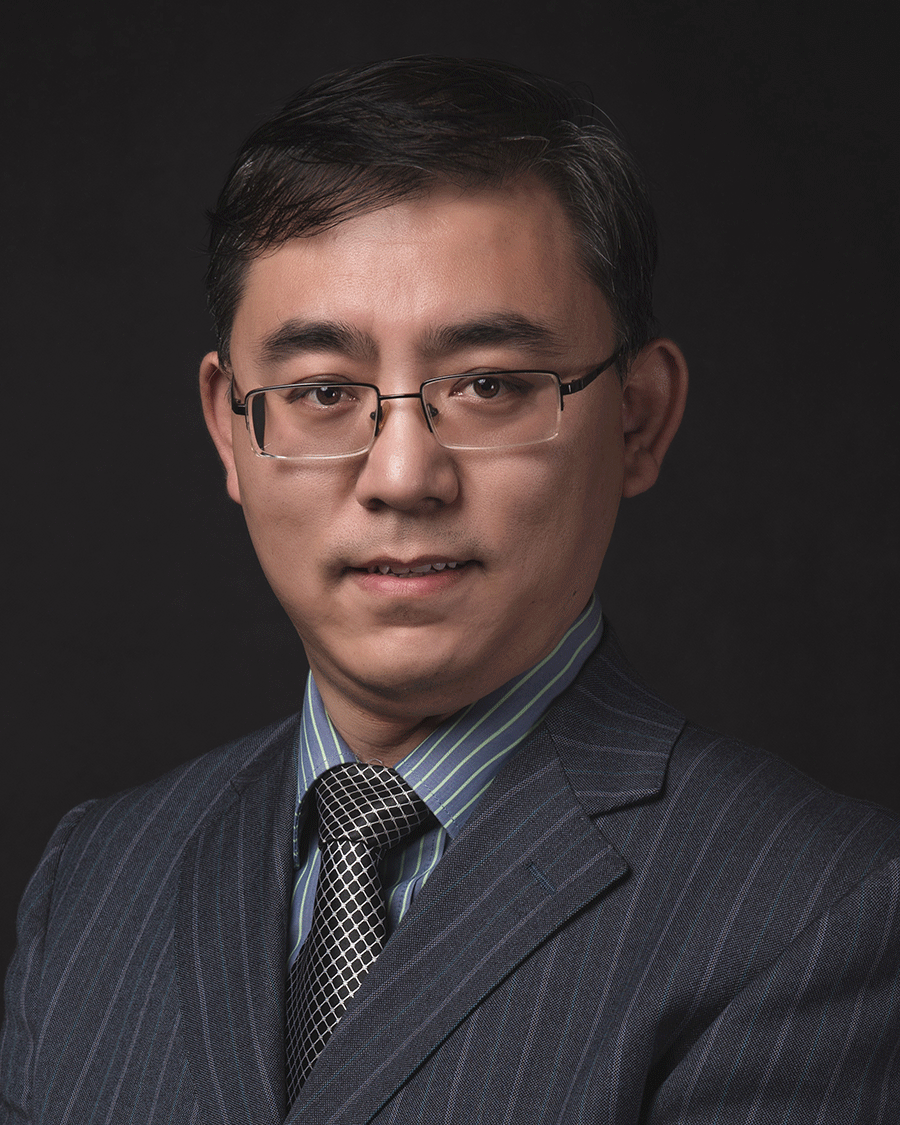
Wei CHEN
University of Science and Technology of China
“Rechargeable Hydrogen Gas Batteries”
Wei CHEN
University of Science and Technology of China
Wei Chen is a Professor in the department of applied chemistry of the University of Science and Technology of China (USTC) and the Division of Nanocatalysis and Energy Conversion at the Hefei National Research Center for Physical Sciences at the Microscale. He obtained his B.S. degree in materials physics from the University of Science and Technology Beijing in 2008 and his Ph.D. degree in materials science and engineering from King Abdullah University of Science and Technology in 2013. He then worked as a postdoc at Stanford University in 2014 and joined EEnotech in 2018 as a scientist before joining USTC in 2019. His research interests involve advanced materials and technologies for energy storage and catalysis.
Wei-Zhong HAN
Xi'an Jiao Tong University
“Scalable Long Duration Energy Storage using TES Graphite Cells”
Evelyn WANG
Massachusetts Institute of Technology
Dr. Evelyn N. Wang is the Vice President for Energy and Climate and the Ford Professor of Engineering at the Massachusetts Institute of Technology (MIT). She previously served as the Senate-confirmed Director at the Advanced Research Projects Agency-Energy (ARPA-E) from 2023-2025, where she led the Agency’s development, launch, and execution of high-risk, high-reward energy research and development programs. At MIT, she developed technologies for thermal management, energy conversion and storage, and water harvesting and purification. Dr. Wang holds a Ph.D. in Mechanical Engineering from Stanford University. She also received an M.S. in Mechanical Engineering from Stanford University and a B.S. in Mechanical Engineering from MIT. She is a member of the National Academy of Engineering, and Fellow of the American Society of Mechanical Engineers, American Association for the Advancement of Science, and the American Academy of Arts and Sciences.
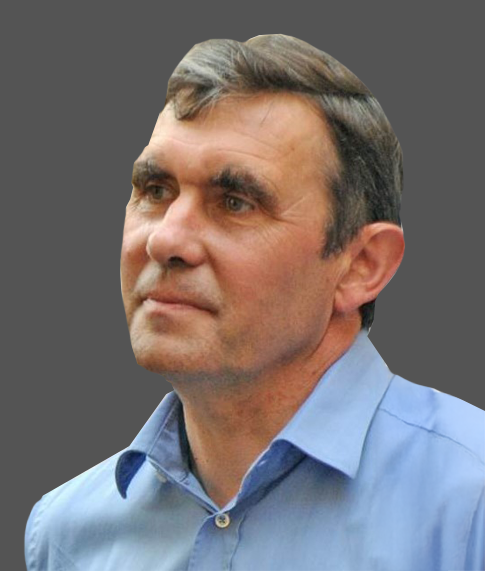
Xavier GARBET
Nanyang Technological University
“Science for Fusion Energy: Achievements and Path Ahead”
Xavier GARBET
Nanyang Technological University
Prof Xavier Garbet earned his PhD in 1988 from Aix-Marseille University, France. Prof Garbet’s research spans a broad range of topics in magnetic fusion energy. His doctoral research focused on drift wave turbulence in tokamak plasmas. The same year, he joined the French Alternative Energies and Atomic Energy Commission (CEA) as a researcher. Prof Garbet was a visiting scientist at General Atomics from 1994 to 1995 and served as Task Force Leader at the Joint European Torus (JET) facility between 2001 and 2004. He is currently Professor at Nanyang Technological University (NTU) and Research Director at CEA.
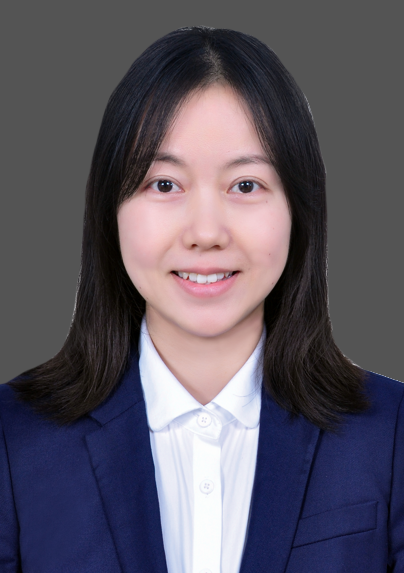
Xian QIN
Fujian Normal University
“Molecularly Engineered Lanthanide Nanoscintillators for Advanced X-ray Imaging”
Xian QIN
Fujian Normal University
Xian Qin is a Professor at the Strait Institute of Flexible Electronics, Fujian Normal University. She earned her B.S. degree (2007) in Mechanical Engineering from Sichuan University and her Ph.D. degree in 2013 from Harbin Institute of Technology, P. R. China. She conducted postdoctoral research in Chemistry Department at National University of Singapore and also Institute of Materials Research and Engineering (IMRE) at A*STAR, Singapore. Her research focuses on molecular optoelectronics, energy conversion materials, nanocatalysis, and the application of quantum mechanical simulations and machine learning for material engineering.
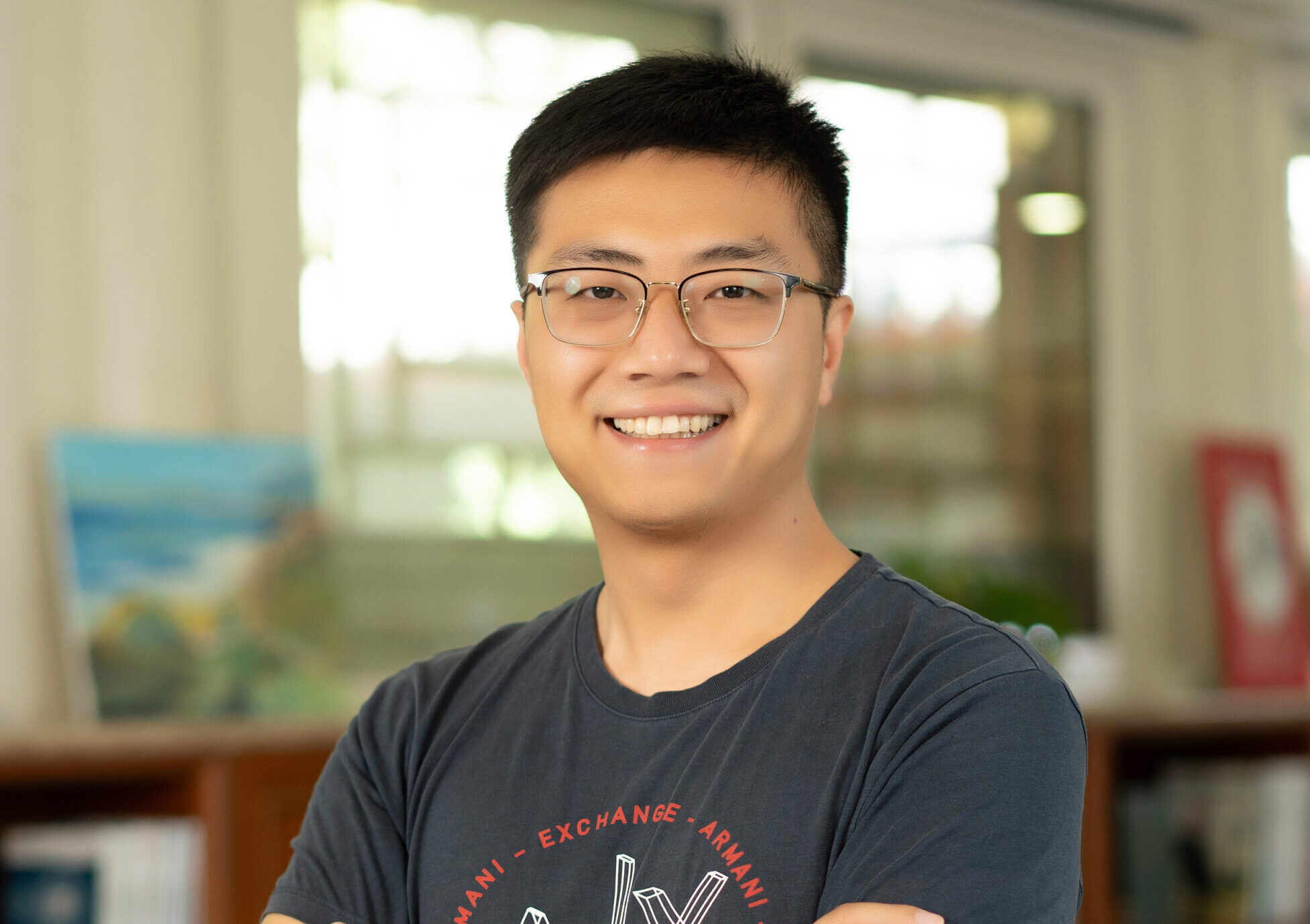
Xiaoxu ZHAO
Peking University
“Machine Learning for Graph Vision at Atomic Scale”
Xiaoxu ZHAO
Peking University
Dr. Xiaoxu Zhao is currently an Assistant Professor in School of Materials Science & Engineering at Peking University, China. He obtained his B. Eng. (1st Class Honours) from Nanyang Technological University in 2014, and PhD from National University of Singapore in 2018. His main research interests are using scanning transmission electron microscopy/electron energy loss spectroscopy (STEM/EELS) to understand the atomic and electronic structure of 2D materials, and applying computer vision and machine learning to provide more momentum to harness the wealth of big data and sophisticated information in STEM data analytics. He was named in the MIT Technology Review TR35 (Asia-Pacific) 2022, Forbes China· 100 Youth Returnee Elite 2022, and Beijing Distinguished Young Scholars 2024.
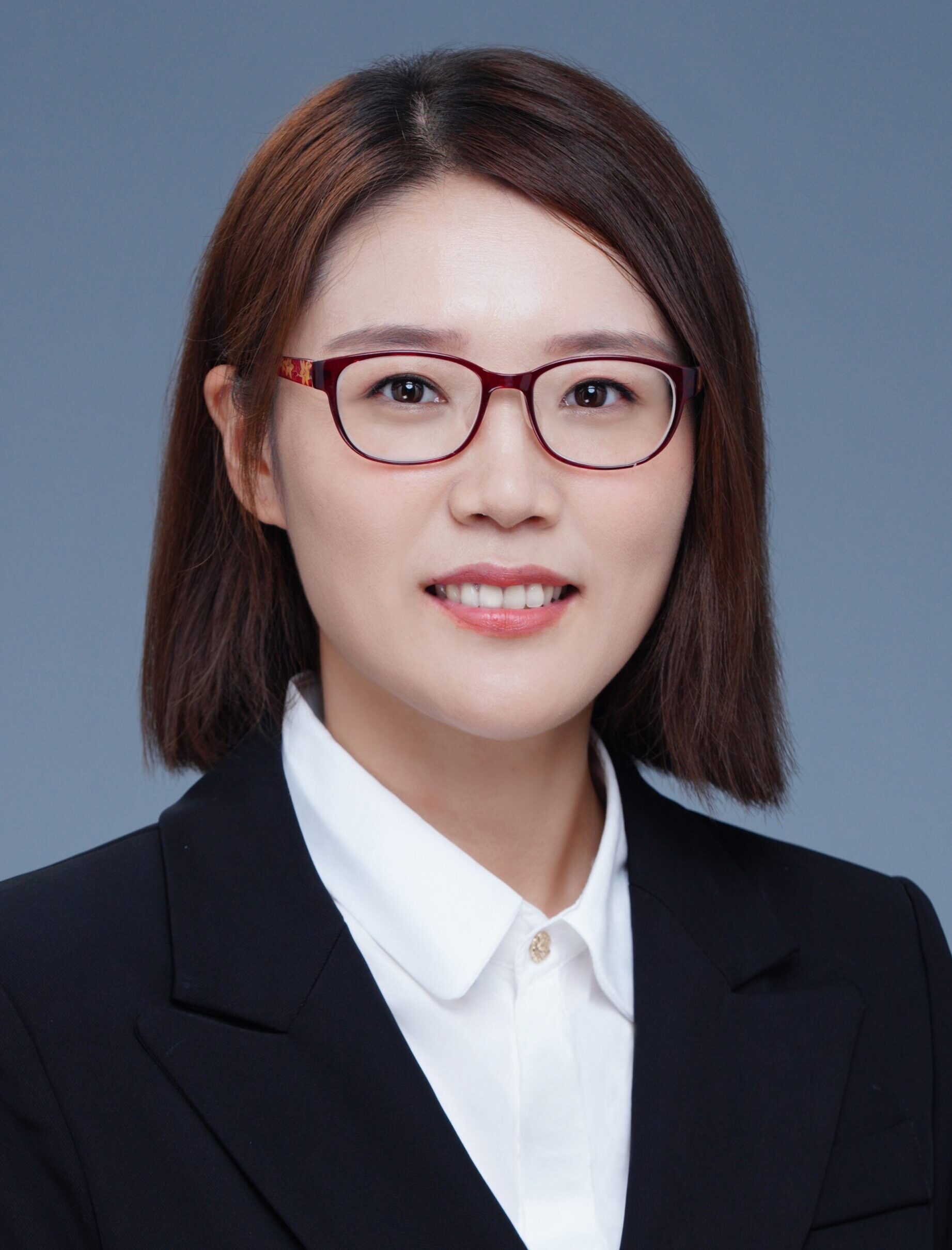
Xiyan LI
Nankai University
“Highly efficient lead-free perovskite for luminescent solar concentrators”
Xiyan LI
Nankai University
Xiyan Li, Distinguished Researcher and Doctoral Supervisor at the College of Electronic Information and Optical Engineering, Nankai University. She is recognized as a Tianjin Overseas High-Level Young Talent and one of the “Hundred Young Academic Leaders” of Nankai University. Her current research focuses on the emerging interdisciplinary field involving the preparation and synthesis of luminescent nanomaterials and their applications in functional optoelectronic devices. Her research areas include the synthesis and applications of rare-earth luminescent materials and perovskite-based quantum dots. She also investigates luminescence mechanisms and performance, alongside developing high-performance quantum dot and perovskite LEDs, as well as luminescent solar concentrators.
Yi-Chou Tsai
NTHU
“Selective Alkane Cracking Under Mild Conditions: A Multinuclear Approach”
Yi-Chou TSAI
NTHU
Yi-Chou Tsai was born in 1969 in Taiwan. He was awarded a Ph.D. degree in 2001 by MIT, followed by postdoctoral training at Caltech from 2001-2003. He holds a professor of National Tsing Hua University, Taiwan. His research interest mainly focuses on the exploration of low-coordinate and low-valent dinuclear transition metal complexes. He received outstanding research awards of National Science and Technology Council, Taiwan in 2014 and 2019.
Yi LONG
The Chinese University of Hong Kong
“Some recent progress in functional windows”
Yi LONG
The Chinese University of Hong Kong
Dr. Long Yi graduated from University of Cambridge. She is the Fellow of Royal Society of Chemistry and global STEM professor in the Chinese University of Hong Kong. Her research focuses on smart materials and devices. Her career started with successful lab-to-fab technology transfer to industries including Seagate Technology. Her recent work won Falling Walls Science Breakthroughs of the Year 2022, TOP3 of the Green Awards in the “Energy” category in Berlin 2022, TechConnect Innovation Award in Washington 2016. She serves as the scientific editor of Materials Horizons.
Yongzhu FU
Zhengzhou University
“Organosulfide Materials for Redox Flow Batteries”
Yongzhu FU
Zhengzhou University
Dr. Fu is a Professor in Chemistry at Zhengzhou University in China. Before joining Zhengzhou University in 2017, he was an Assistant Professor at Indiana University-Purdue University Indianapolis (IUPUI) (2014-2017), Research Associate at the University of Texas at Austin (UT-Austin) (2011-2013), and a Research Scientist at Lynntech, Inc. (2008-2011) after he received Ph.D. in Materials Science and Engineering from UT-Austin in 2007 and completed postdoctoral training at Lawrence Berkeley National Laboratory in 2008. Dr. Fu’s current research efforts focus on electrochemical materials. He has published over 200 peer-reviewed journal papers.
Yuejiang SHI
ENN Group
“ENN’s Fusion Research: A Prometheus Light from China’s Private Sector”
Yuejiang SHI
ENN Group
Dr. Yuejiang Shi is the Chief Scientist of Fusion Experiment at ENN. He also holds adjunct professor position at Huazhong University of Science and Technology.
With extensive experience as a PI on world-leading superconducting fusion devices such as EAST and KSTAR, he has been responsible for research in advanced spectroscopic diagnostics and fusion experiments. Dr. Shi has authored over 20 publications as first or corresponding author in leading fusion journals, including PRL, Nuclear Fusion.
Under Dr. Shi’s leadership, ENN team has achieved a series of experimental milestones on ENN’s EXL-50U spherical torus, including non-inductive current drive and high-parameter hydrogen-boron plasma discharges at 1 MA.
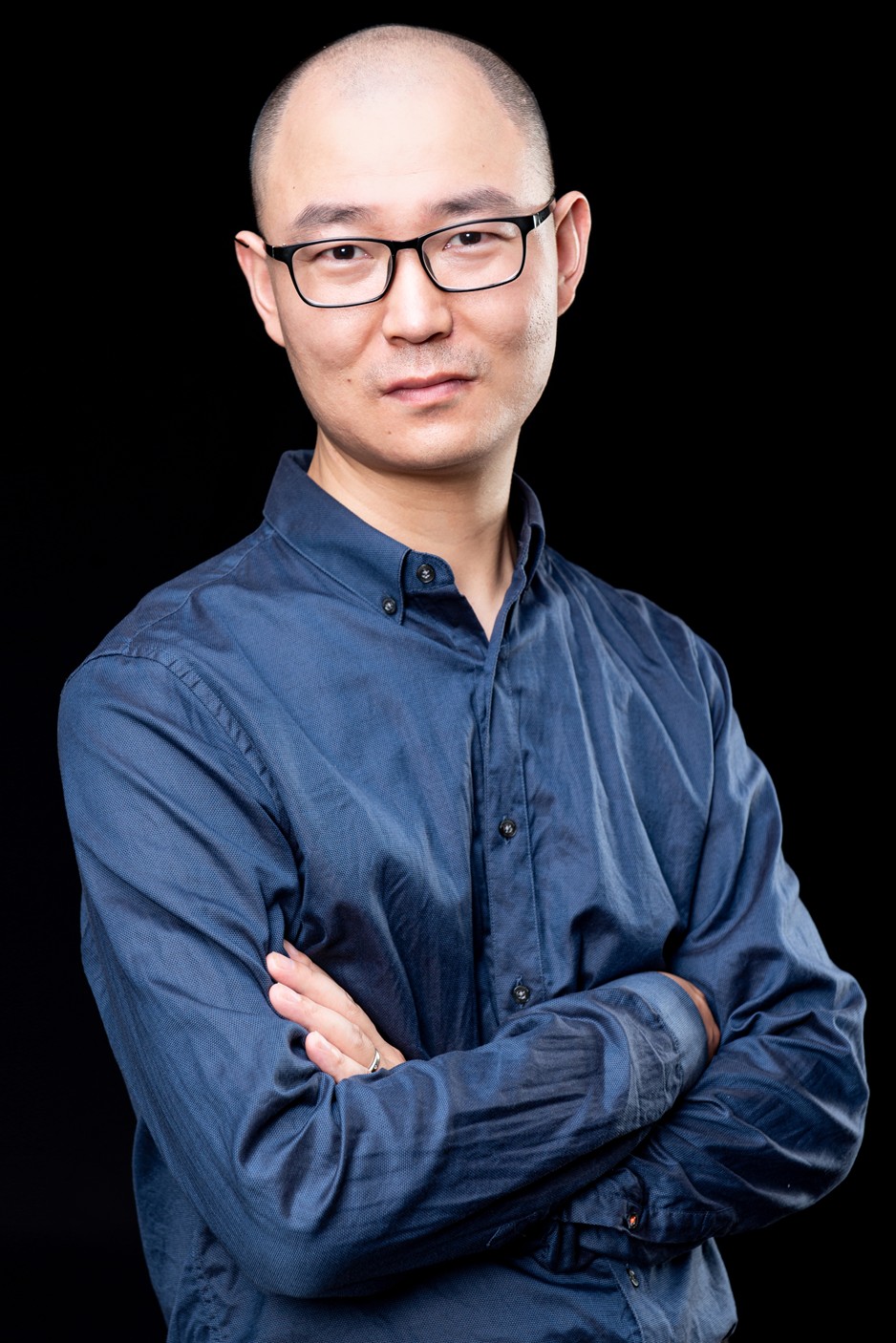
Zheng ZHAO
The Chinese University of Hong Kong
“Biomedical Luminescent Materials Based on Through-Space Conjugation”
Zheng ZHAO
The Chinese University of Hong Kong
Professor Zheng Zhao is an Assistant Professor at the School of Science and Engineering, The Chinese University of Hong Kong, Shenzhen. His research focuses on aggregate luminescent materials, organic photosensitizers, and NIR luminescent materials. He has published over 130 peer-reviewed papers in prestigious journals such as Nature Photonics, Nature Communications, Matter, Journal of the American Chemical Society, Angewandte Chemie International Edition, and Advanced Materials, with over 13,000 citations and an H-index of 62. Professor Zheng Zhao is an Assistant Professor at the School of Science and Engineering, The Chinese University of Hong Kong, Shenzhen. His research focuses on aggregate luminescent materials, organic photosensitizers, and NIR luminescent materials. He has published over 130 peer-reviewed papers in prestigious journals such as Nature Photonics, Nature Communications, Matter, Journal of the American Chemical Society, Angewandte Chemie International Edition, and Advanced Materials, with over 13,000 citations and an H-index of 62.
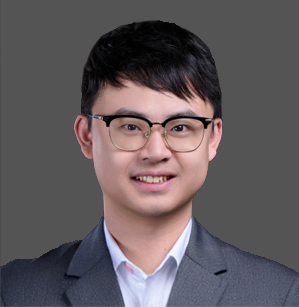
Zijie QIU
The Chinese Uuniversity of Hong Kong
“Rational Design and Precise Synthesis of Non-planar Functional Molecules”
Zijie QIU
The Chinese Uuniversity of Hong Kong
Prof. Zijie Qiu is the tenure-track Assistant Professor and Presidential Young Scholar of the Chinese University of Hong Kong, Shenzhen (CUHK-Shenzhen). Prof. Qiu obtained his bachelor’s degree in Chemistry from Fudan University and his PhD in Chemistry from the Hong Kong University of Science and Technology in 2014 and 2018, respectively. After graduation, he started postdoctoral research as the Humboldt Fellow at the Max Planck Institute for Polymer Research and was promoted to the Group Leader position in April 2020. He joined the School of Science and Engineering at CUHK-Shenzhen in December 2021.
Zonghai SHENG
Shenzhen Institute of Advanced Technology, Chinese Academy of Sciences
“Molecular Fluorescence Technologies for Diagnosis and Therapy”
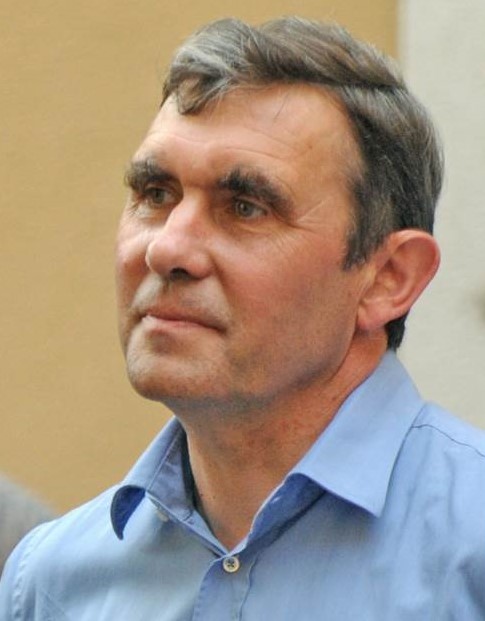
Xavier GARBET
Nanyang Technological University, Singapore
Prof Xavier Garbet earned his PhD in 1988 from Aix-Marseille University, France. Prof Garbet’s research spans a broad range of topics in magnetic fusion energy. His doctoral research focused on drift wave turbulence in tokamak plasmas. The same year, he joined the French Alternative Energies and Atomic Energy Commission (CEA) as a researcher. Prof Garbet was a visiting scientist at General Atomics from 1994 to 1995 and served as Task Force Leader at the Joint European Torus (JET) facility between 2001 and 2004. He is currently Professor at Nanyang Technological University (NTU) and Research Director at CEA.
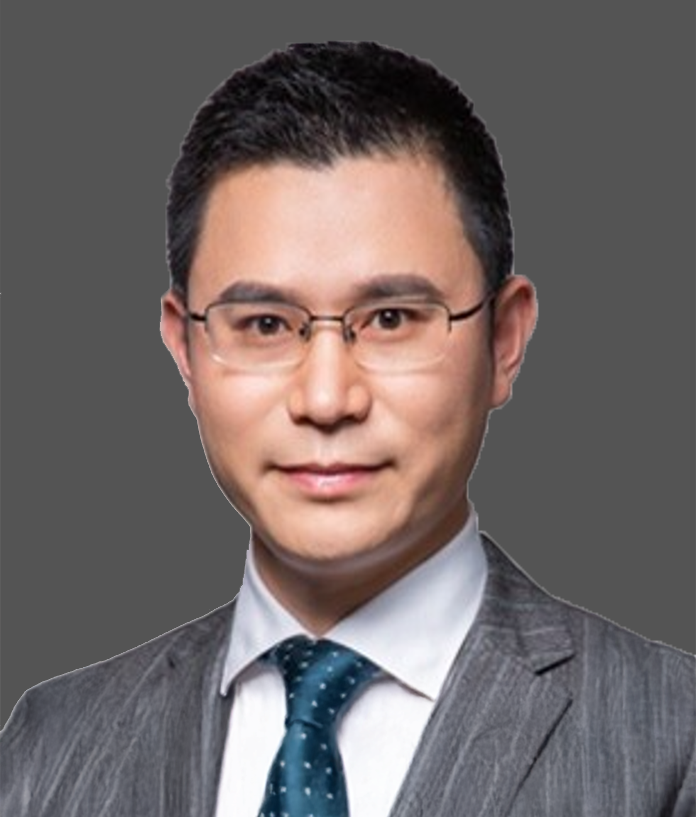
Zujin ZHAO
South China University of Technology
“Highly Efficient Blue OLEDs Based on Aggregation-Induced Delayed Fluorescence Luminogens”
Zujin ZHAO
South China University of Technology
Zujin Zhao is a full professor at South China University of Technology. He received his B.S. degree in 2003 and Ph.D. degree in 2008 in Chemistry from Zhejiang University. In 2008–2010, he conducted his postdoctoral work under supervision of Prof. Ben Zhong Tang at The Hong Kong University of Science & Technology. His researches are mainly focused on the development of functional organic materials, and the exploration of their optoelectronic and biological applications. He has published more than 430 peer-reviewed SCI papers with more than 21000 citations and a h-index of 81.
Information is accurate as of 6 December 2025. Please refer to the Full Programme for the latest version.