Programme
Health
TOPICS
Health for a Sustainable Tomorrow
AI-Driven Medical Innovation
Next-Gen Vaccinology
Cellular and Genetic Therapeutics
Sustaining population health requires innovation that is preventive, predictive, and inclusive. This theme explores how advances in biomedical science, digital health, regenerative medicine, and nutrition are transforming healthcare delivery and outcomes. The talks will highlight research and partnerships that strengthen system resilience, enhance accessibility, and translate frontier discoveries into solutions for healthier, longer lives.
Keynote Speakers
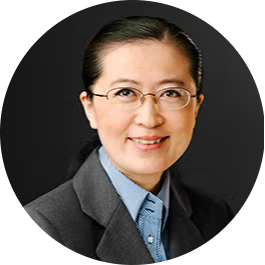
Bin LIU
National University of Singapore
“Programable Singlet Oxygen Battery”
Bin LIU
National University of Singapore
Professor Bin Liu is Tan Chin Tuan Centennial Professor at the National University of Singapore (NUS). Bin graduated with bachelor’s degree from Nanjing University and a Ph.D. in Chemistry from NUS. She had postdoctoral training at the University of California, Santa Barbara before joining NUS in late 2005. Bin has been well-recognized for her contributions to polymer chemistry and organic nanomaterials for energy and biomedical applications. She is an international member of the US National Academy of Engineering. Since 2019, she has served as the Deputy Editor to launch and develop ACS Materials Letters, a flagship materials journal of the American Chemical Society.
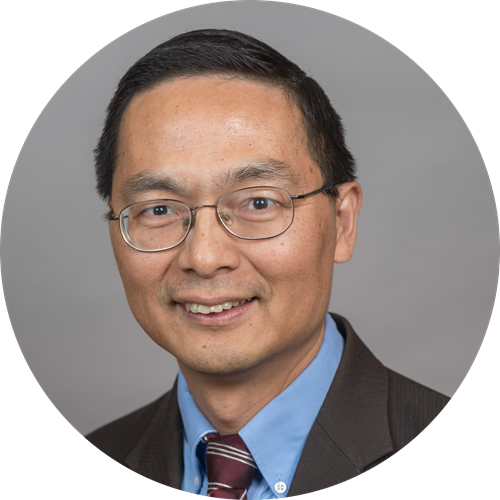
Huimin ZHAO
University of Illinois Urbana-Champaign
“An AI-powered Self-driving Biofoundry for Synthetic Biology”
Huimin ZHAO
University of Illinois Urbana-Champaign
Dr. Huimin Zhao is the Steven L. Miller Chair of chemical and biomolecular engineering at the University of Illinois Urbana-Champaign (UIUC), director of NSF AI Institute for Molecule Synthesis (moleculemaker.org), NSF iBioFoundry (ibiofoundry.illinois.edu), and NSF Global Center for Reliable and Scalable Biofoundries, and Editor in Chief of ACS Synthetic Biology. He received his B.S. degree in Biology from the University of Science and Technology of China in 1992 and his Ph.D. degree in Chemistry from the California Institute of Technology in 1998. Prior to joining UIUC in 2000, he was a project leader at the Dow Chemical Company. Dr. Zhao has authored and co-authored over 480 research articles and over 30 issued and pending patent applications. In addition, he has given over 550 plenary, keynote, or invited lectures. Thirty-eight (38) of his former graduate students and postdocs became professors or principal investigators around the world. Dr. Zhao received numerous research and teaching awards and honors such as ECI Enzyme Engineering Award and NSF CAREER Award. His primary research interests are in the development and applications of synthetic biology, artificial intelligence, and laboratory automation tools to address society’s most daunting challenges in health, energy, and sustainability.
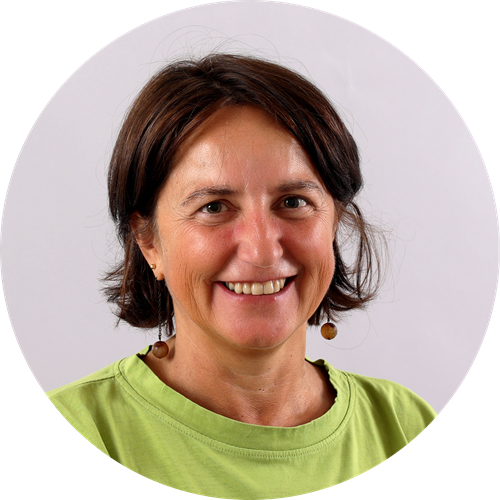
Milena CORREDIG
Aarhus University
“Feeding the Future: Navigating the Complexities and Innovations in Sustainable Food Systems with research”
Milena CORREDIG
Aarhus University
Milena Corredig is a Professor of Food Science at Aarhus University, Denmark, and Villum Investigator. She also holds a visiting professorship at Lund University in Sweden, named after Lise Meitner, a physicist known for her crucial role in the discovery of nuclear fission. Her research focuses on food science and technology, and specifically on the structure and functionality of food proteins and a systemic approach to sustainable food processing. She is actively involved in multidisciplinary research aimed at transforming food systems. She has published about 360 refereed publications in high impact journals, she is the editor of Critical reviews in food science and nutrition, food hydrocolloids and sustainable food proteins. She is actively involved in entrepreneurship education, and a strong advocate for research excellence with impact.
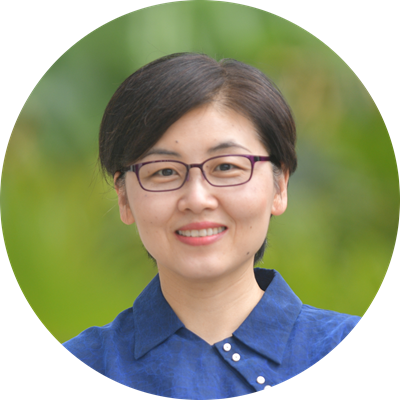
Nieng YAN
Shenzhen Medical Academy of Research and Translation
“From Sugar Transporters to Glycoconjugated Ion Channels”
Nieng YAN
Shenzhen Medical Academy of Research and Translation
YAN Nieng received her Bachelor’s Degree from the Department of Biological Science and Technology at Tsinghua University in 2000 and Ph.D. from the Department of Molecular Biology at Princeton University in 2004, where she continued her postdoctoral research. She joined School of Medicine, Tsinghua University as a professor in 2007. Ten years later, in 2017, she was recruited back by Princeton University and became the inaugural Shirley M. Tilghman Professor of Molecular Biology. In 2022, Yan Nieng served as the Founding President of Shenzhen Medical Academy of Research & Translation (SMART). In 2023, she served as the Director of Shenzhen Bay Laboratory (SZBL).
Dr. Yan’s primary research interest has been in the structural and mechanistic investigation of membrane transport proteins that are of tremendous physiological, pathophysiological, and pharmaceutical significance. She reported the first structures of the human glucose transporters GLUT1 and GLUG3, the eukaryotic voltage-gated sodium and calcium channels, and a number of proteins involved in sterol metabolism. Her present research program focuses on structure-guided mechanistic understanding and drug discovery for pain relief. Her achievements have won her numerous accolades.
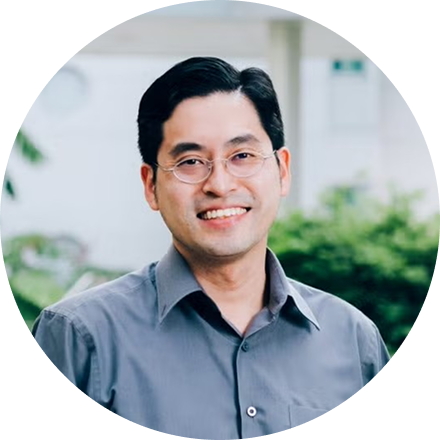
Loh Xian JUN
A*STAR IMRE
“Materials for Healthcare”
Loh Xian JUN
A*STAR IMRE
Prof Loh Xian Jun completed his basic and postgraduate studies at the National University of Singapore. As a polymer chemist by training, he is currently the Executive Director of A*STAR Institute of Materials Research and Engineering ( A*STAR IMRE ). He is concurrently an Adjunct Professor in the National University of Singapore and Nanyang Technological University. As a pioneer and recognized global expert in the area of biodegradable thermogels, he is highly knowledgeable in developing these materials for various applications spanning biomedical, engineering, cosmetics, personal care and food. He is also the current President of Singapore National Institute of Chemistry and Fellow of Singapore National Academy of Science. With his extensive experience in authoring >595 journal papers ( H-index : 106 ), 48 patents and know-hows, >30 book chapters and 7 books, he currently sits on several editorial boards of international journals as an expert in his area. He has also successfully helped in the commercialization of 18 different products and is always interested in the translation of science to products.
Invited Speakers
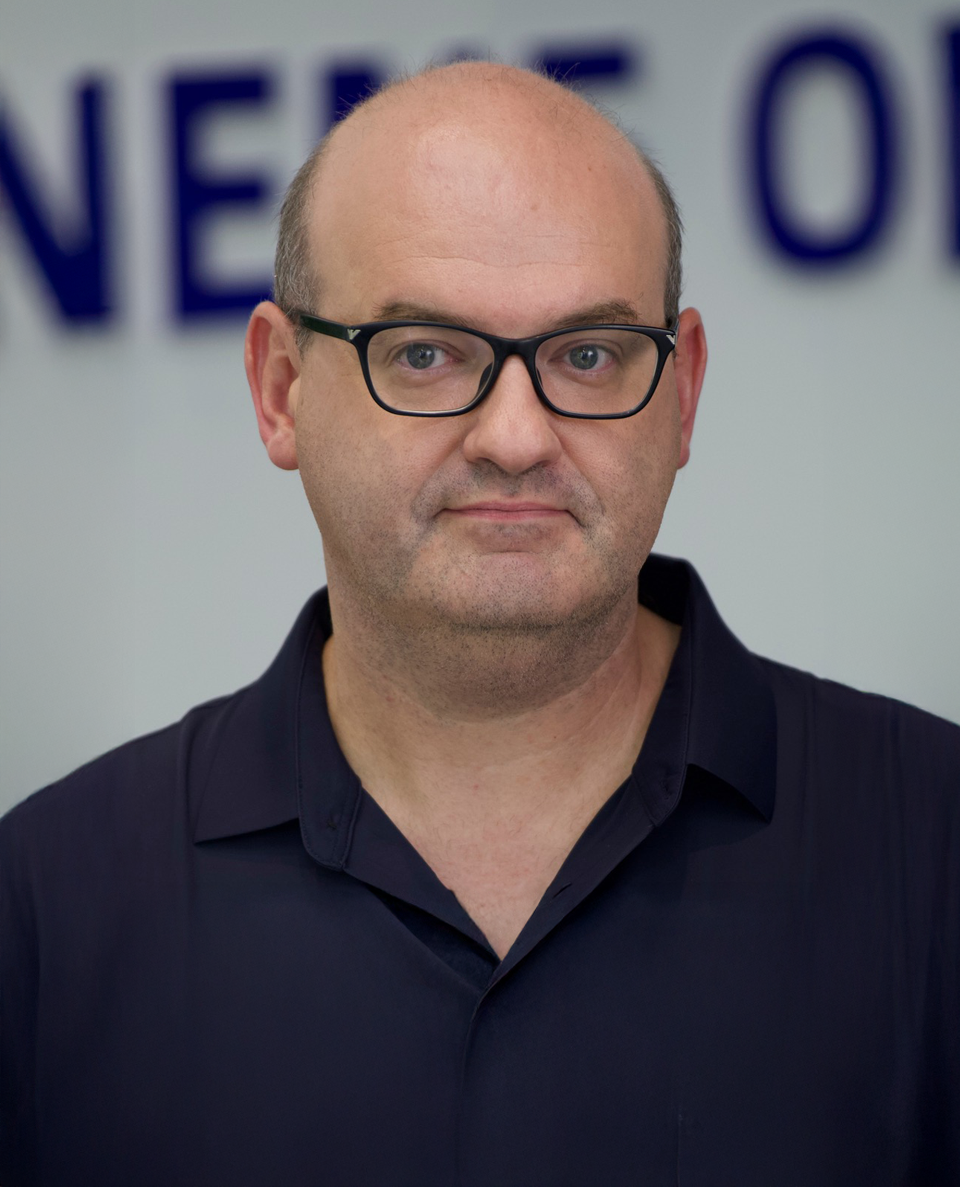
Andrew HUTCHINS
Southern University of Science and Technology
“Impact of aging on ovaries, embryos and the endometrium”
Andrew HUTCHINS
Southern University of Science and Technology
Andrew Hutchins is a combined experimental and computational biologist interested in embryonic development and complex human diseases. Originally from the UK, where he earned his PhD from the University of Anglia in 2004, Andrew has been in Asia for nearly two decades. First, in Singapore, 2004-2010, moving to Osaka in Japan, 2010-2013, to study the immune system. In 2013, he came to China, first to the GIBH in Guangzhou, before taking up a faculty position at SUSTech in 2016. To date he has published 86 manuscripts, including leading studies in Nature Cell Biology, Cell Stem Cell, Nature Communications, and PLoS Biology.
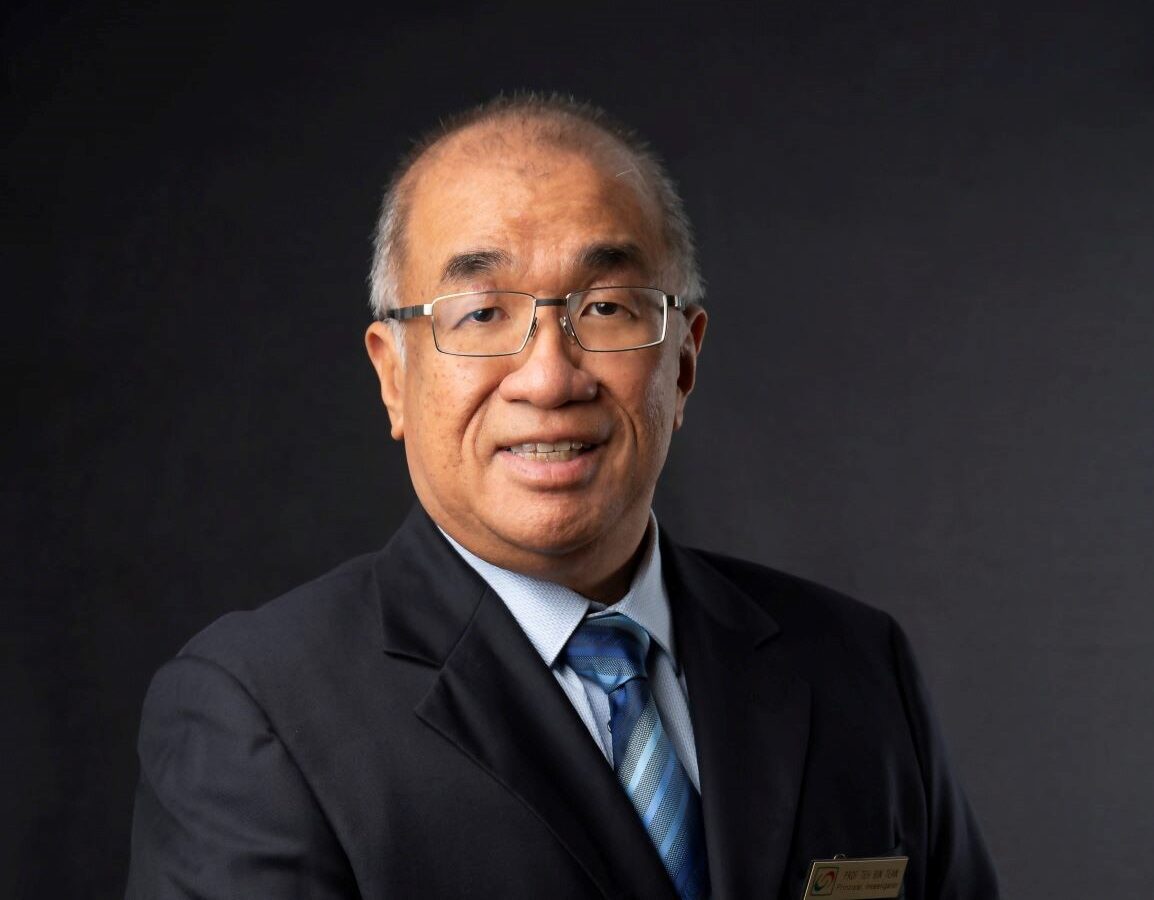
Bin Tean TEH
BD-MED
“Empowering Human Health through Biodiversity Research: From Scientific Frontiers to Clinical Applications”
Bin Tean TEH
BD-MED
Dr Teh obtained his MD (1992) from the University of Queensland, Australia and his PhD (1997) from the Karolinska Institute, Sweden. His laboratory focuses on Genomics of Asian-Prevalent Cancers including hepatobiliary cancer, herbal carcinogen-related cancer and fibroepithelial tumours of the breast. Dr Teh has published extensively, with over 480 peer-reviewed publications and a h-index of 118. He is a past and present member of numerous editorial boards for journals including Lancet Oncology, Science Translational Medicine, Cancer Research. Dr Teh is a recipient of the 2015 SingHealth Distinguished Researcher Award, 2015 Singapore President Science Award, 2018 AACR (American Association of Cancer Research) Team Science Award, 2021 JCA (Japanese Cancer Association) International Award and the Tan Yew Oo Distinguished Professorship.
Boxiang LIU
National University of Singapore
“Omics Technologies to Identify Target Genes in the Post-GWAS Era”
Boxiang LIU
National University of Singapore
Dr. Boxiang Liu is Presidential Young Professor at the National University of Singapore, a Principal Research Scientist at the Genome Institute of Singapore, and the Director of the Genomic Data Science Laboratory. His research advances computational genomics, with a focus on GWAS, single-cell analysis, and therapeutic innovations for complex disease. Trained at Stanford with a MS in statistics and PhD in bioinformatics, Dr. Liu’s pioneering work has led to more than 50 high-impact publications in journals such as Nature, Cell, Nature Genetics, and Nature Medicine. He has received multiple patents and awards, including President’s Award in Natural Sciences and Mathematics and Charles B. Carrington Memorial Award.
Chris SHAM
National University of Singapore
“Dual Transposon Sequencing Profiles the Genetic Interaction Landscape in Bacteria”
Chris SHAM
National University of Singapore
Christopher COBURN
Mass General Brigham
“Driving New Outcomes in an Unprecedented Period in Academic Healthcare
Christopher COBURN
Mass General Brigham
Chris Coburn is Chief Innovation Officer, Mass General Brigham (MGB), an integrated health care system that includes Brigham and Women’s Hospital, Massachusetts General Hospital, Massachusetts Eye and Ear, and McLean Hospital. MGB has $20 billion in annual revenue, 1.5 million patient visits, and is the nation’s largest academic research enterprise with $2.9 billion in research expenditures and 7,000 Harvard appointed faculty.
Coburn’s business development group is responsible for the commercial application of the unique capabilities of MGB’s 82,000 employees. They handle strategic industry collaborations; therapeutic, digital and device deal making; company creation; licensing; investing; and manage a $500 million venture fund.
Clement CHIA
Khoo Teng Puat Hospital
“REBORN: Redefining the Informed Consent Journey from Hospital to Home”
Clement CHIA
Khoo Teng Puat Hospital
Clement is Senior Consultant Breast Surgeon and Clinician Innovator at NHG Health. He is committee member of Centre of Medical Technology and Innovations (NHG Health) and was a Singapore Biodesign Innovation Fellow in 2024. He was awarded the National Medical Research Council (NMRC) Research Training Fellowship in 2024 and works closely with industry and academic partners for his research interests in digital health, fem tech and medical devices for surgery and wound healing. Clement is also the clinical lead of Khoo Teck Puat Hospital’s Smart Ward where the team implements innovations to improve clinical care and increase productivity of the workforce.
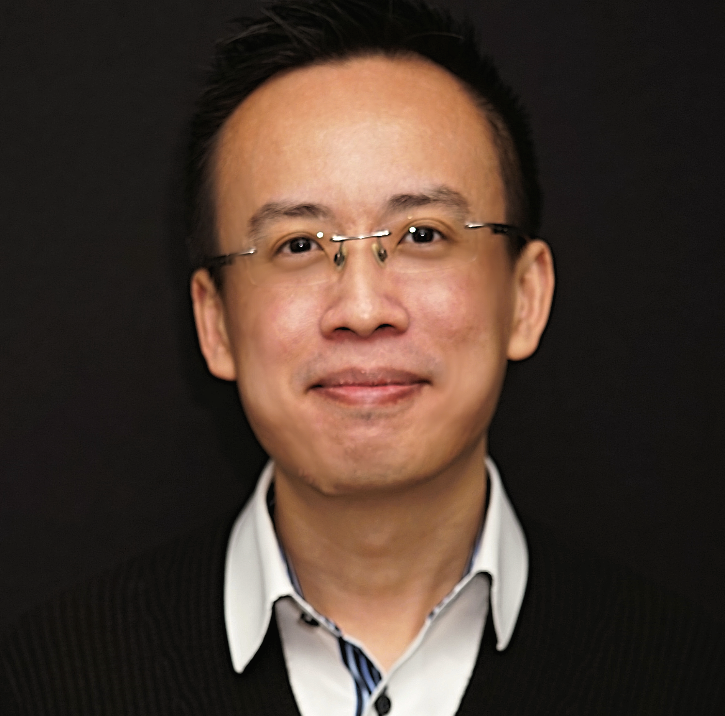
David Yuen Wah NG
Max Planck Institute for Polymer Research
“Alzheimer’s for Cancer: Chemistry reprograms Nature’s aberrations”
David Yuen Wah NG
Max Planck Institute for Polymer Research
David received his Chemistry B.Sc. Hons. degree (first class) at the National University of Singapore in 2009 and Ph.D. (summa cum laude) in 2014 jointly given by the Max Planck Institute for Polymer Research (MPIP)/Ulm University. He is currently a group leader at the MPIP and also heads its BioCore Facility. He leads project groups within the Max Planck-Bristol Centre for Minimal Biology and the Collaborative Research Centers of the German Research Foundation. He is featured in 2019 and 2022 in Wiley-VCH and the Royal Society of Chemistry as an emerging key figure for material science at the chemistry/biology interface.
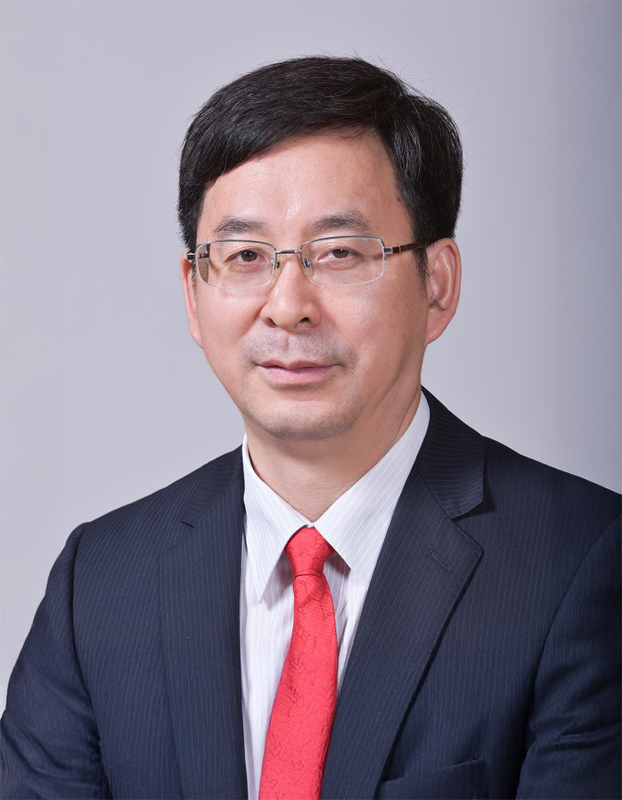
Deqing ZHANG
Institute of Chemistry, Chinese Academy of Sciences
“Stretchable and photo-patternable polymer semiconductors
Deqing ZHANG
Institute of Chemistry, Chinese Academy of Sciences
Prof. Deqing Zhang graduated from the Chemistry Department of Beijing Normal University in 1987 and obtained Master and Ph. D degrees from the Institute of Chemistry, CAS (ICCAS) and Heidelberg University, Germany, respectively, in 1990 and 1996. Then, he joined in ICCAS as an associate professor and became a professor since April, 1999. He was the director of ICCAS during the period of 2013-2023. His research interests include the design and synthesis of new conjugated molecules and polymers for organic optoelectronic materials. He serves as international advisory members and editorial advisory members of Acc. Chem. Res., ABM, ACS Omega, Adv. Funct. Mater., Adv. Sci.
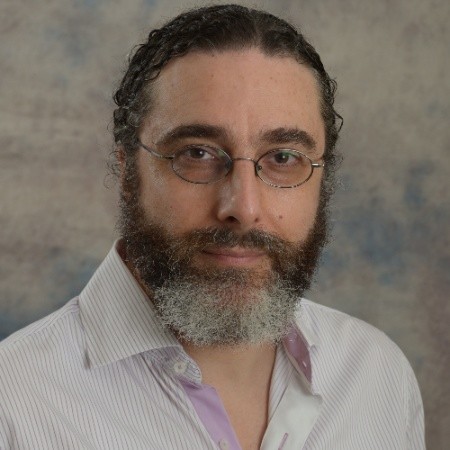
Domenico CAMPOLO
Nanyang Technological University
“Robotic Technologies for Decentralized Healthcare: From Lab to Market”
Domenico CAMPOLO
Nanyang Technological University
Domenico Campolo is currently Professor in Human Robotics at the School of Mechanical and Aerospace Engineering and co-Director of the Rehabilitation Research Institute of Singapore, Nanyang Technological University (NTU), Singapore. He received his Laurea Degree (1998) in Electronics Engineering from the University of Pisa, Italy, his Diploma Degree (1999) in Engineering and his PhD (2002) in Micro-Engineering from Scuola Superiore Sant’Anna, Pisa. In 2000–2003, he was at UC Berkeley (USA). In 2003–2009, he worked at Campus Bio-Medico University in Rome (Italy) and, since 2009, he has been with NTU. He is co-founder of ArtiCares Pte Ltd, an NTU spinoff company focusing on Robotic Technologies for decentralized healthcare, including homes.
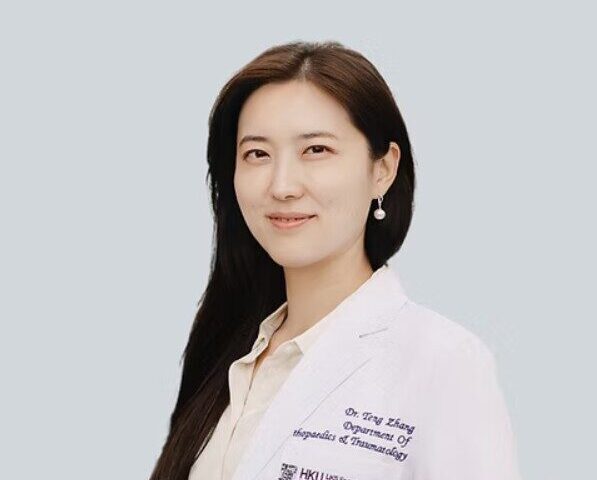
Grace ZHANG
The University of Hong Kong
“AI-assisted Scoliosis Screening and Management for Children with Digital Follow-ups”
Grace ZHANG
The University of Hong Kong
Prof. Teng Grace Zhang received her bachelor’s and Ph.D. degrees from the University of New South Wales, Sydney. She is currently an Assistant Professor at the Li Ka Shing Faculty of Medicine, University of Hong Kong, and serves as Director of the Digital Health and Intelligent Medicine Laboratory. Previously, she engaged in both clinical and translational research at St. George Hospital, Sydney, leading or contributing to several international multicenter trials on medical devices and pharmaceuticals. Prof. Zhang’s research focuses on 3D imaging, medical image analysis, and biological system modeling, and she has authored over 100 peer-reviewed publications. She holds senior positions in prominent international and Chinese professional societies.
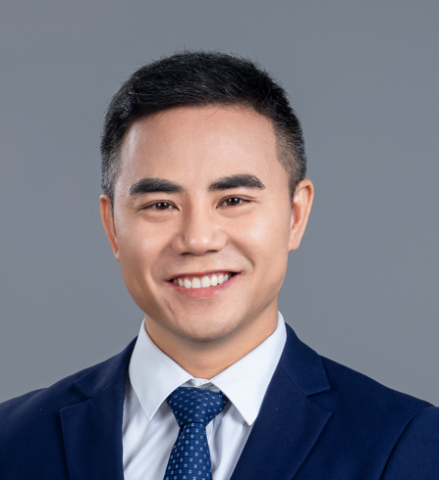
Guangdun PENG
Guangzhou Institutes of Biomedicine and Health, Chinese Academy of Sciences
“Spatial Omics: Revolutionizing Cell Lineage Studies”
Guangdun PENG
Guangzhou Institutes of Biomedicine and Health, Chinese Academy of Sciences
Dr. Guangdun Peng obtained his Ph.D. in developmental biology from the Shanghai Institute of Biochemistry and Cell Biology, Chinese Academy of Sciences (SIBCB, CAS). He then pursued postdoctoral training in computational biology at the University of California, Los Angeles (UCLA), prior to joining the Guangzhou Institutes of Biomedicine and Health, (GIBH, CAS) as a pricipal investigator in 2018. Dr. Guangdun Peng is recognized as a leading figure in the development of spatial transcriptome technologies, notably Geo-seq (2016) and MISAR-seq (2023). His research focuses on embryo development and tissue injury, with corresponding author publications in Nature (2019), Nature Genetics (2019), Cell Reports (2022), Nature Communications (2023), Nature Methods (2023) and Dev Cell (2024). Additionally, he is interested in developing single-cell lineage tracing method and stem cell based regenerative medicine.
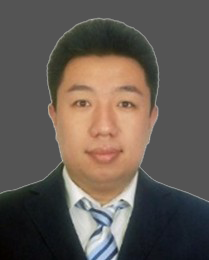
Hai-Dong YU
Northwestern Polytechnical University
“Green Flexible Bioelectronics”
Hai-Dong YU
Northwestern Polytechnical University
Prof. YU Hai-Dong received his BS in chemistry from Peking University and Ph.D. in bioengineering from National University of Singapore. Then he worked as a postdoc in Whitesides research group at Harvard University. He is now a professor at the Institute of Flexible Electronics (IFE), Northwestern Polytechnical University, China. His research focus is primarily on green flexible electronics for health applications. He has published more than 60 peer-reviewed scientific articles on international prestigious journals including Adv. Mater., Matter, Adv. Funct. Mater., and ACS Nano with a total citation of over 5700 times
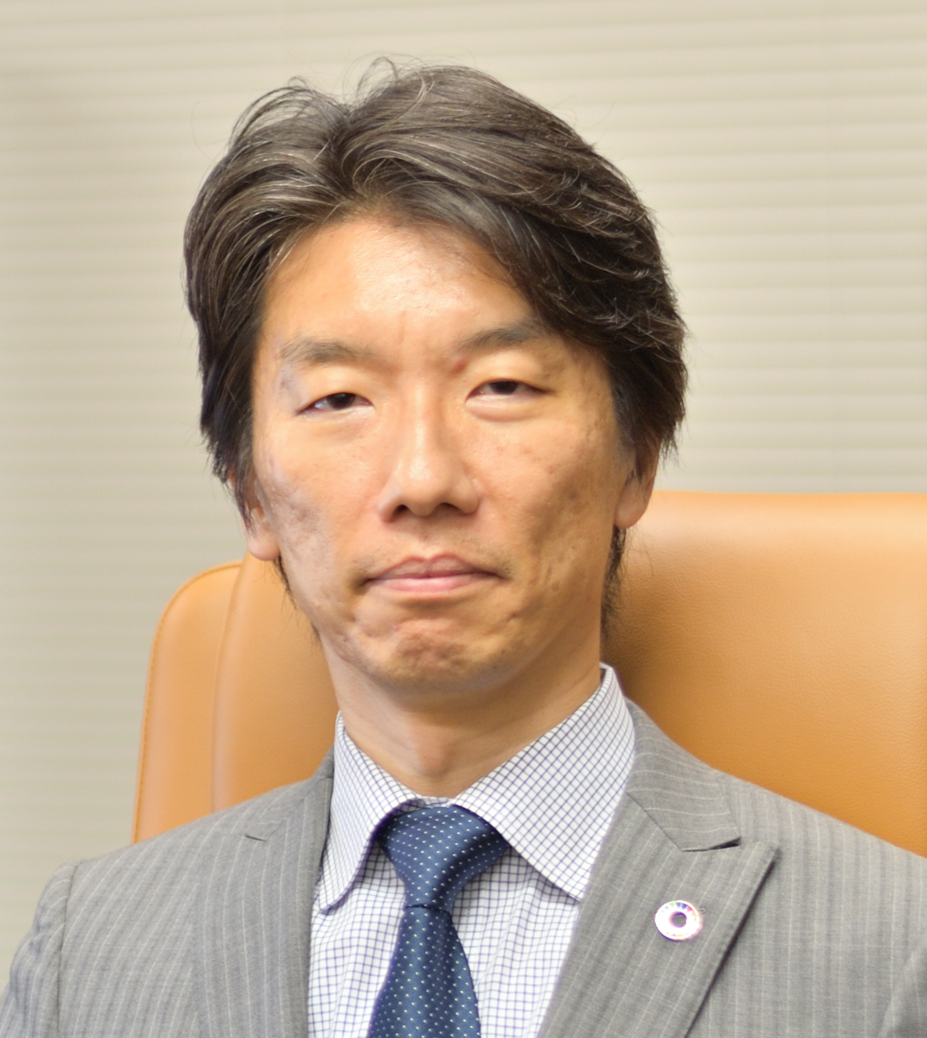
Hiroshi YUKAWA
National Institutes for Quantum Science and Technology (QST)
“In vivo imaging of nano quantum sensors for medical applications”
Hiroshi YUKAWA
National Institutes for Quantum Science and Technology (QST)
Dr. Hiroshi Yukawa is a Project Director, Institute for Quantum Life Science in National Institutes for Quantum Science and Technology, Japan, and a Designated Professor, Institute of Nano-Life-Systems, Institutes of Innovation for Future Society, Nagoya University. He received his Ph.D. in Medical Science from Nagoya University in 2010 under the supervision of Professor M. Hamaguchi, and received his Ph.D. in Engineering from Tokyo University in 2011 under the supervision of Professor K. Araki. His current research focus is the application of nano-quantum sensors to advanced medical sciences such as regenerative medicine, cancer medicine, and cranial nerves medicine.
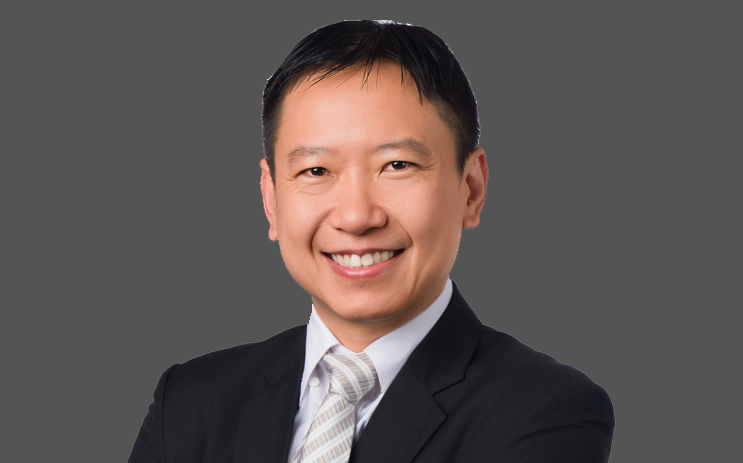
Hong Liang TEY
CMTi
“Ideas to Impact: Innovation & Enterprise in NHG”
Hong Liang TEY
CMTi
Associate Professor Tey Hong Liang is a clinician, scientist, inventor, and entrepreneur, who is among the world’s top 2% most-cited researchers in 2020–2025. He is currently the Clinical Director at the Centre for Medtech and Innovations, National Healthcare Group. Concurrently, he is the clinical co-Director of the Skin Research Programme at Lee Kong Chian Medicine, Nanyang Technological University; a Senior Clinician-Scientist with the National Medical Research Council; and a Senior Consultant at the National Skin Centre, Singapore. His works include >240 international publications and >20 products available in 16 countries. Notably, he is the co-creator of the Suu BalmTM range of dermatological products and is the co-founder of RNAscence Pte Ltd.
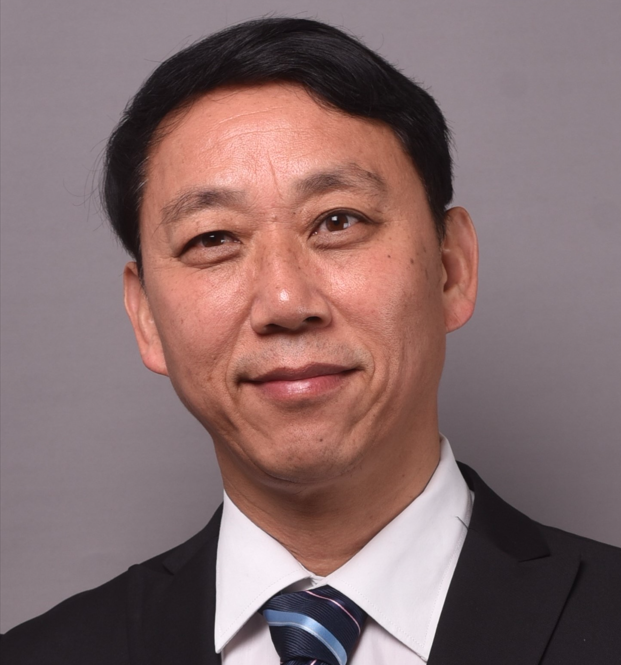
Hong LIU
Shandong University
“Material Cues Regulating Stem Cell Fate for Cell Therapy of Neurological Diseases”
Hong LIU
Shandong University
Professor Hong Liu is distinguished Professor Science in Shandong University, China
His current research interest focuses mainly on biosensors, tissue engineering and stem cells, and photo-electric materials. He has been awarded 50 patents and published more than 400 papers with total citation of over 46000 and H-index of 103. In 2009, he was awarded as Distinguished Young Scholar by NSFC. He was included in the Clarivate Analytics’ Highly Cited Researchers 2018-2024 list. Two sci-tech achievements worth 10 million RMB in his group have been transferred and industrialization. In 2023, as editor-in-chief, he launched, BMEMat (IF=15.5, Wiley Publisher).
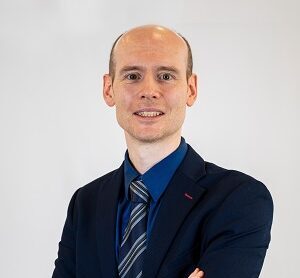
James HALLINAN
National University Hospital, Singapore (NUH)
“AI in Spine Imaging”
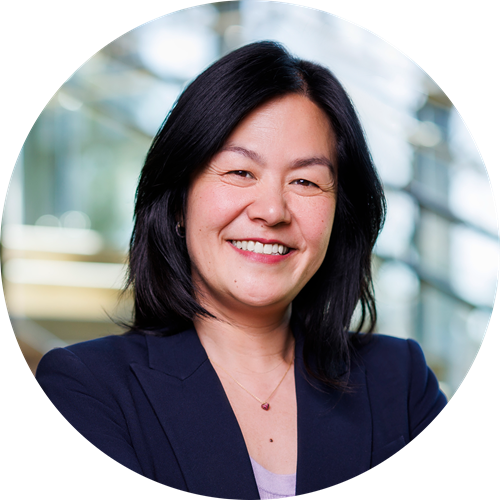
Evelyn WANG
Massachusetts Institute of Technology
Dr. Evelyn N. Wang is the Vice President for Energy and Climate and the Ford Professor of Engineering at the Massachusetts Institute of Technology (MIT). She previously served as the Senate-confirmed Director at the Advanced Research Projects Agency-Energy (ARPA-E) from 2023-2025, where she led the Agency’s development, launch, and execution of high-risk, high-reward energy research and development programs. At MIT, she developed technologies for thermal management, energy conversion and storage, and water harvesting and purification. Dr. Wang holds a Ph.D. in Mechanical Engineering from Stanford University. She also received an M.S. in Mechanical Engineering from Stanford University and a B.S. in Mechanical Engineering from MIT. She is a member of the National Academy of Engineering, and Fellow of the American Society of Mechanical Engineers, American Association for the Advancement of Science, and the American Academy of Arts and Sciences.

Jasmine ONG
Singapore General Hospital
“Smart Prescribing, Smarter Conversations: Scaling Medication Safety with AI and Generative Voice Agents.”
Jasmine ONG
Singapore General Hospital
Dr Jasmine received her Doctor of Pharmacy (PharmD) in 2018 from the National University of Singapore and earned a board certification in critical care pharmacy (BCCCP, USA) in 2020. Additionally, she is the inaugural clinician innovator award recipient (NMRC) originating from the Pharmacy domain. Jasmine’s research focuses on pharmacological management of the pharmacokinetics and pharmacodynamics of critically ill adult patients, with additional expertise in artificial intelligence and health technology innovation. A US-ASEAN J William Fulbright Scholar to University of California San Francisco, she has established research collaborations with global experts and is an active core member of several international committees in AI ethics and regulations. She has contributed in leading medical journals including Nature Medicine, The Lancet Digital Health, and Cell Reports Medicine. She drives research on cutting-edge artificial intelligence in medication safety and smart medication device technology through partnerships with Singapore’s premier research institutions, including Synapxe, A*STAR, and the National University of Singapore. Her research involvement spans across multiple collaborative projects, serving as co-investigator in local multi-centre studies.
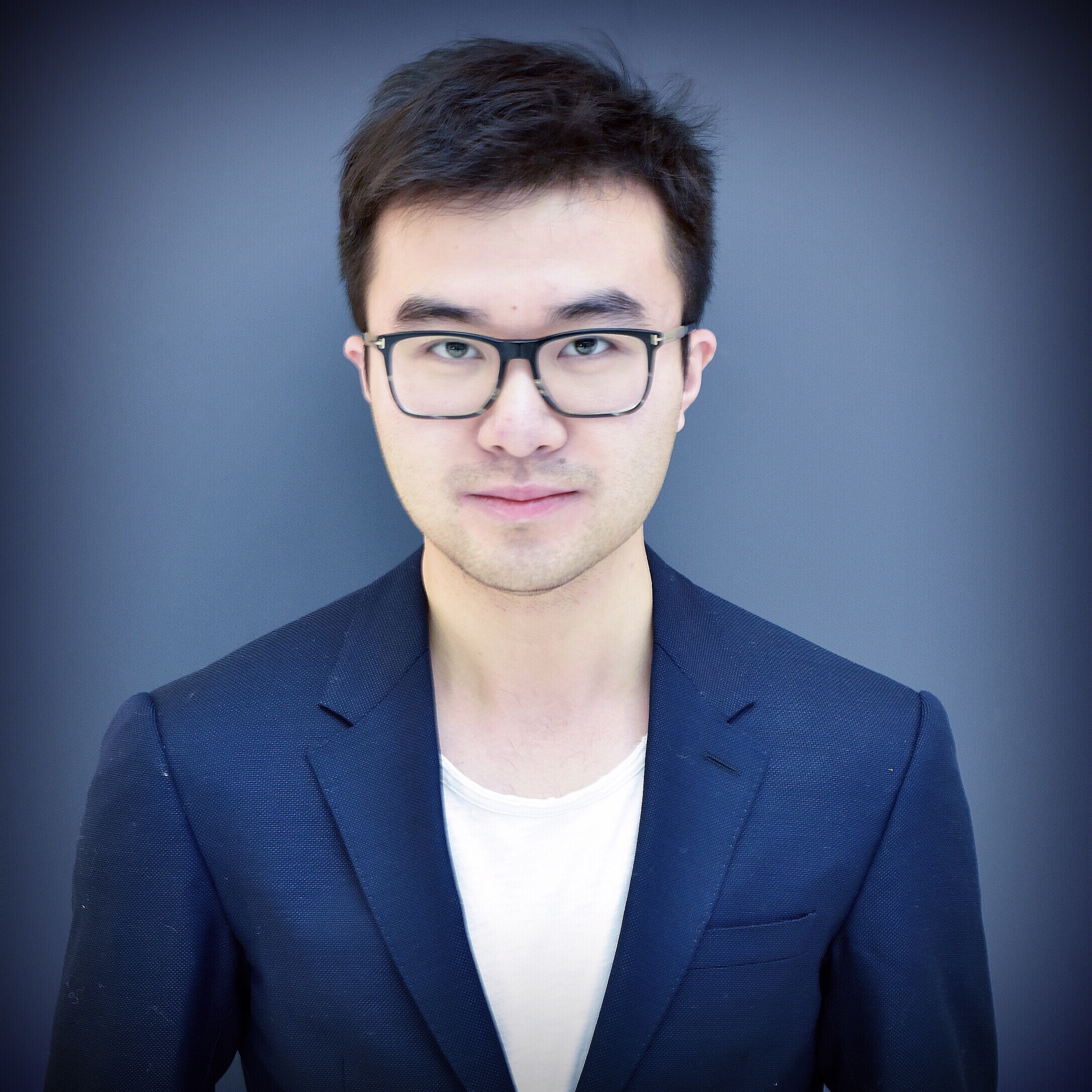
Jian SHU
Harvard University
“Decoding and Translating the Languages of Biology”
Jian SHU
Harvard University
Dr. Jian Shu (https://jianshulab.org) is an Assistant Professor at Harvard Medical School and Massachusetts General Hospital, Harvard-MIT Health Sciences and Technology, as well as an Associate Member at the Broad Institute of MIT and Harvard. Dr. Shu was the valedictorian at Peking University, where he studied stem cell biology and cellular reprogramming with Dr. Hongkui Deng. He was a Helen Hay Whitney Fellow, working at the intersection of single-cell genomics and stem cell biology in Dr. Eric Lander’s lab at the Broad Institute of MIT and Harvard, as well as Dr. Rudolf Jaenisch’s lab at the Whitehead Institute for Biomedical Research at MIT.
Dr. Jian Shu joined the faculty at MGH/Harvard Medical School and established his lab in January 2021. The Shu Lab’s research focuses on developing scalable experimental and computational methods to decode and translate the various ‘languages’ (data modalities) of biology across different scales—from molecules to cells, tissues, and organisms. These methods aim to unify different perspectives and maps of cell and tissue biology, significantly reducing the need for multiple measurements and shifting biology from direct measurement to prediction and generation through AI. The long-term goal is to build digital twins of multicellular systems and virtual simulators of living systems.
Jianlong WANG
Columbia University Irving Medical Center
“Tex10 Orchestrates Cell Fate Programming in the Male Germline: Insights from Single-Cell Phenotyping”
Jianlong WANG
Columbia University Irving Medical Center
Dr. Jianlong Wang is a faculty member (tenured full professor) at Columbia University whose research laboratory explores the molecular mechanisms behind stem cell identity and plasticity. His work emphasizes epigenetic, transcriptional, and RNA-based regulation of totipotency, pluripotency, and cellular reprogramming. Dr. Wang’s research covers four main areas: stem cell developmental potential, germ cell and reproductive biology, stem cells in disease and cancer, and cellular reprogramming mechanisms. Using integrative methods such as proteomics, genomics, and cell engineering, his lab studies fundamental stem cell biology, cancer stemness, and spermatogenesis, aiming to translate basic discoveries into regenerative medicine strategies and new therapies.
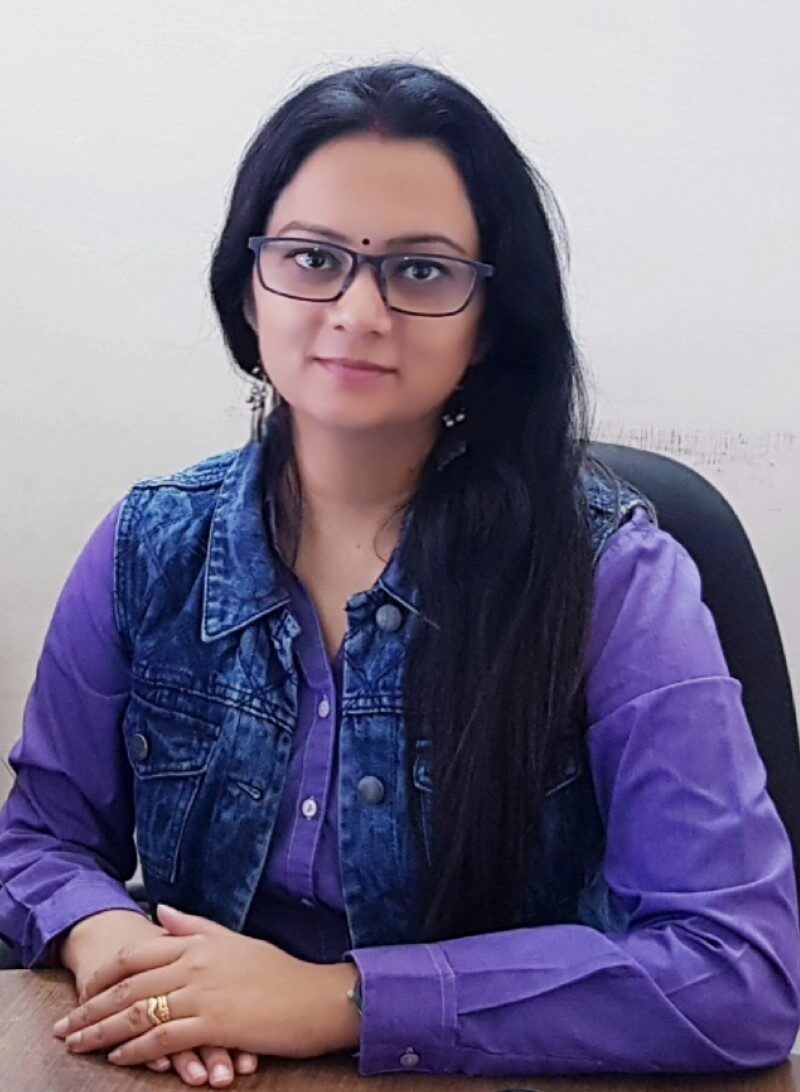
Jiban Jyoti PANDA
Institute of Nano Science & Technology
“Biomolecule-derived Nanosystems for Combating Brain Disorders”
Jiban Jyoti PANDA
Institute of Nano Science & Technology
Dr. Jiban Jyoti Panda currently holds the position of Scientist E at the INST, Mohali Institute.
Her research focuses on using nanoparticles for integrated diagnosis and therapeutics in CNS disorders, including Alzheimer’s, glioblastoma, and cataract. Her lab develops multifunctional nanoparticles, particularly peptide-based, to target the CNS and modulate the Blood-Brain Barrier. She has been conferred with several awards, including the STEAM as one of the distinguished 75 women, earning a feature in the 2022 book “SHE-Is.”, the Har Gobind Khorana Young Innovative Biotechnologist Award in 2021, and the ICMR-DHR International Fellowship for Biomedical Scientists in 2019. Furthermore, Dr. Panda has been recognized on the international stage, securing the UNESCO-L’Oreal International Fellowship in 2011. In 2011, she was awarded the Young Scientist Award by the Organization of Pharmaceutical Producers of India (OPPI) and the American Association of Pharmaceutical Scientists (AAPS) Graduate Student Symposium Award in Formulation Design and Development (Chicago, USA).
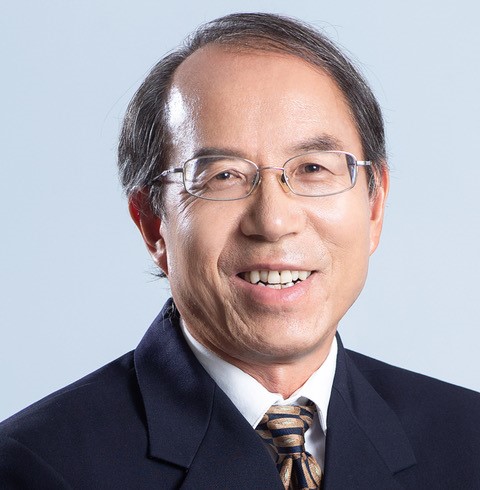
Jing-Ren ZHANG
Tsinghua University
“The Immunological Basis of Blood Sterility”
Jing-Ren ZHANG
Tsinghua University
Dr. Jing-Ren Zhang is Professor of Microbiology at Tsinghua University School of Basic Medical Sciences, Beijing, China. He received his Ph.D. in microbiology in the University of Texas Medical School – Houston. The main focus of his research is on pathogenesis and infection intervention of bacterial pathogens. He has made significant contributions to the basic understanding and the detection/prevention of bacterial infections, with over 100 publications. His laboratory has recently discovered that the liver is the major organ for maintaining the sterility of the blood battle ground between encapsulated bacteria and host innate immunity in the early phase of blood infections, which explains the well-known serotype-dependent virulence phenomenon in encapsulated bacteria (published in Journal of Experimental Medicine, 2022; PloS Pathogens, 2022). Moreover, Dr. Zhang’s group has also found that the liver is the major organ to execute vaccine immunity against blood bacterial infections (published in Science Translational Medicine, 2023). The liver-based vaccine protection mechanisms have been developed as a platform for functional evaluation of vaccine protection against invasive bacterial pathogens (published in Vaccine, 2024).
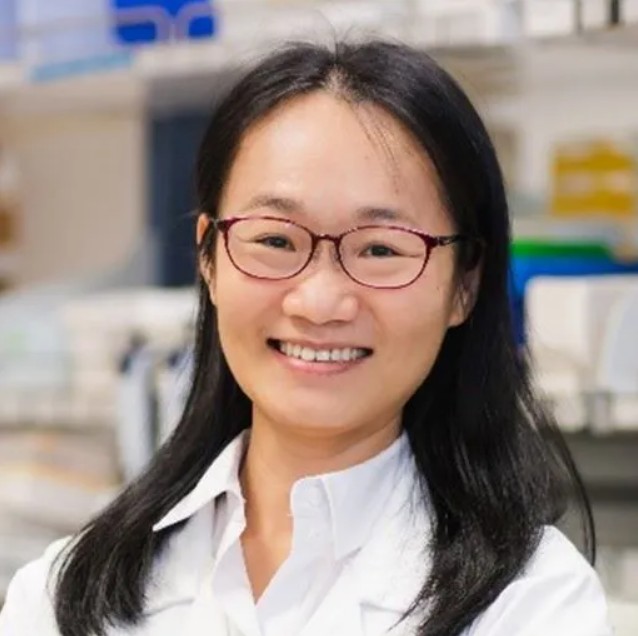
Jinmiao CHEN
A*STAR BII
“AI-Powered Spatial Biology”
Evelyn WANG
Massachusetts Institute of Technology
Dr. Evelyn N. Wang is the Vice President for Energy and Climate and the Ford Professor of Engineering at the Massachusetts Institute of Technology (MIT). She previously served as the Senate-confirmed Director at the Advanced Research Projects Agency-Energy (ARPA-E) from 2023-2025, where she led the Agency’s development, launch, and execution of high-risk, high-reward energy research and development programs. At MIT, she developed technologies for thermal management, energy conversion and storage, and water harvesting and purification. Dr. Wang holds a Ph.D. in Mechanical Engineering from Stanford University. She also received an M.S. in Mechanical Engineering from Stanford University and a B.S. in Mechanical Engineering from MIT. She is a member of the National Academy of Engineering, and Fellow of the American Society of Mechanical Engineers, American Association for the Advancement of Science, and the American Academy of Arts and Sciences.
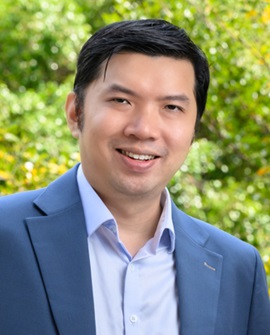
Joe Poh Sheng YEONG
A*STAR IMCB
“Spatial-powered AI Pathology H&E 2.0, Dark Proteome, AI-powered Pseudo-timeline for Personalized Medicine: Working Toward Cancer Care 2030”
Joe Poh Sheng YEONG
A*STAR IMCB
Dr. Joe Yeong’s main research focus is to understand and overcome the resistance of cancer immunotherapy, by using advanced technologies and AI. As an immunopathologist, his key vision is to bridge immunologists and pathologists. He is a pioneer in spatial technologies, translated assays to clinic, and has published > 130 papers in the field (Top 2% Scientist) (>100 invited talks internationally). His works on cancer immunology are included in multiple National & international funded studies as well as industry sponsored projects (>20 million dollars since 2017). He served as a committee member in the World Immunotherapy Council, Society for Immunotherapy of Cancer (SITC) and is one of the organizers for its 2019, 2023 & 2025 WIC Global Symposium as well as multiplex IF expert consensus meetings. He also serves as one of the founding-Program Chair of one of the largest AI medical Imaging conferences, CLINICCAI-MICCAI and serves as founding board member of MICCAI SIG-ComPath. He is also having editorial roles of Nature Springer, JITC, JCO (ASCO) and World Scientific (Chief Editor). He serves as a Secretary (Executive) in Singapore Society of Oncology – Cancer Immunotherapy Consortium, Co-lead in Education/Diagnostic of Singhealth Duke-NUS Cell Therapy Centre as well as Advisor (Spatial Technology), Cancer Discovery Hub, National Cancer Centre. In 2023, he co-founded World Immunotherapy Council Asian Chapter for promoting tumor immunology and advancing cancer immunotherapy education, information and research across Asia. He is also a regular reviewer for top journal such as JITC, Mod Path, Lancet and Nature.
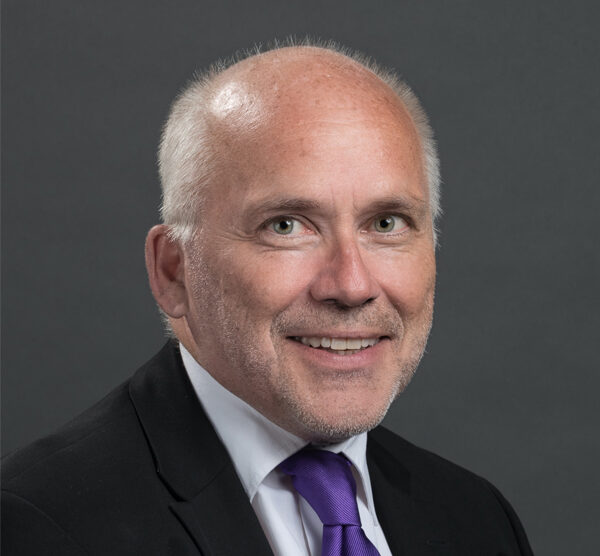
Johan Gunnar ERIKSSON
A*STAR IHDP
“The Power of Human Potential in Building Resilient Futures”
Johan Gunnar ERIKSSON
A*STAR IHDP
Professor Johan G. Eriksson is professor at the NUS Yong Loo Lin School of Medicine and executive director at A*STAR Institute for Human Development and Potential (IHDP). He is in charge of the daily scientific oversight and planning of the GUSTO and S-PRESTO cohort studies.
Before moving to Singapore he was professor at the faculty of medicine, University of Helsinki, and chief physician at Helsinki University Hospital. He holds clinical interests in diabetes, obesity and related metabolic diseases. He received his medical degree and specialist qualifications from the University of Helsinki. He has published over 1000 original peer-reviewed research articles. His h-index is 162.
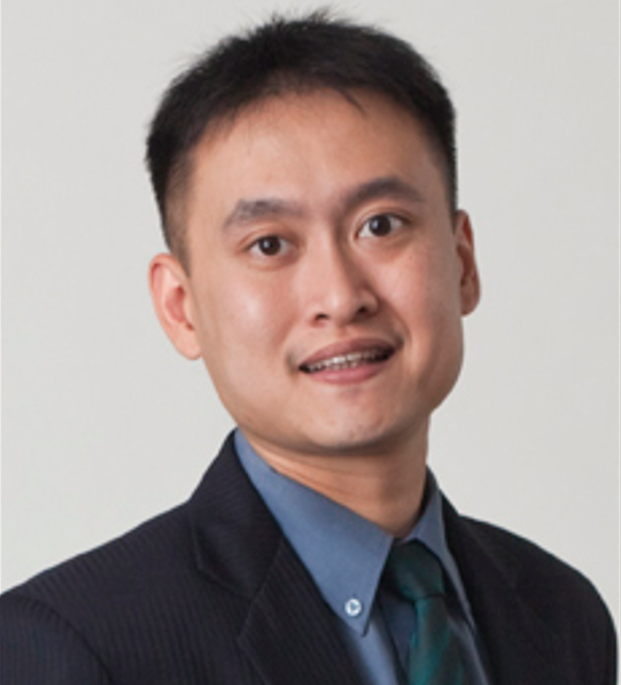
Jonathan LOH
A*STAR Institute of Molecular and Cell Biology (A*STAR IMCB)
“Connecting Early and Late Stem Cell States through Key Genes and Mobile Genetic Elements”
Jonathan LOH
A*STAR Institute of Molecular and Cell Biology (A*STAR IMCB)
LOH Yuin-Han Jonathan is Deputy Executive Director and Research Director at A*STAR’s IMCB and an Adjunct Professor at NUS. His research explores mechanisms of cell fate changes, focusing on epigenetic interactions, transcription factors in reprogramming, and epitranscriptomic regulation. Ranked among the top 0.07% worldwide in stem cell research, his work has been cited over 24,550 times. He has received awards including the MIT TR35 Asia Pacific, Singapore Young Scientist, and ISSCR Public Service Award. Jonathan served as President of the Stem Cell Society Singapore, and founded biotech startups InnoCellular and Genovn; he is also a board member of Cytomed Therapeutics.
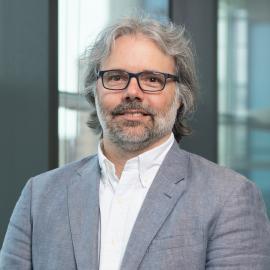
Jose Maria POLO
The University of Adelaide
“Exploring the boundaries of human reprogramming”
Jose Maria POLO
The University of Adelaide
Professor Jose M. Polo FAA FAHMS, is Director of the Adelaide Centre for Epigenetics (ACE), Program Leader at SAiGENCI, University of Adelaide, and Group Leader at Monash University. An expert in cellular reprogramming, epigenetics, and stem cell biology, he has pioneered molecular, genomic, and computational tools for iPSC and organoid models. His work, cited over 16,500 times, appears in Nature, Cell, Science and other leading journals. Recognised with numerous national and international awards, he was elected Fellow of the Australian Academy of Science in 2024 . In 2016 he co-founded Cell Mogrify, a company advancing reprogramming technologies.
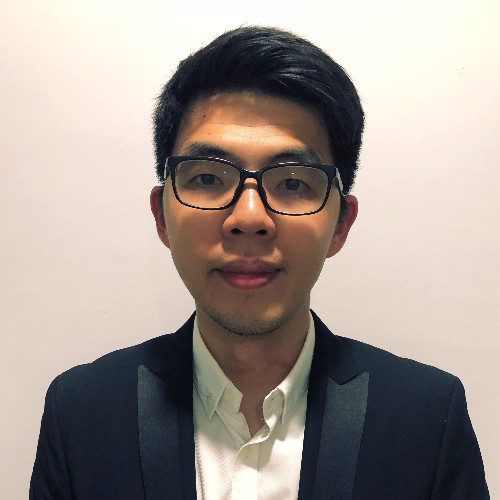
Kun LIANG
Nanyang Technological University
“Minimally-invasive devices for transepidermal sampling and facilitating the diagnosis of skin microbial disorders”
Kun LIANG
Nanyang Technological University
Liang Kun is an assistant professor at the LKC school of medicine, NTU and a principal scientist at the A*STAR Skin Research Labs with 10+ years of experience in biomaterials research. His research interest focuses on designing biomaterials for skin-interfacing healthcare applications such as tissue engineering, cutaneous delivery and diagnostics with the goal of clinical translation. He has spearheaded several in-human studies involving medical devices and his work has been recognized with high impact publications and early career grants and awards.
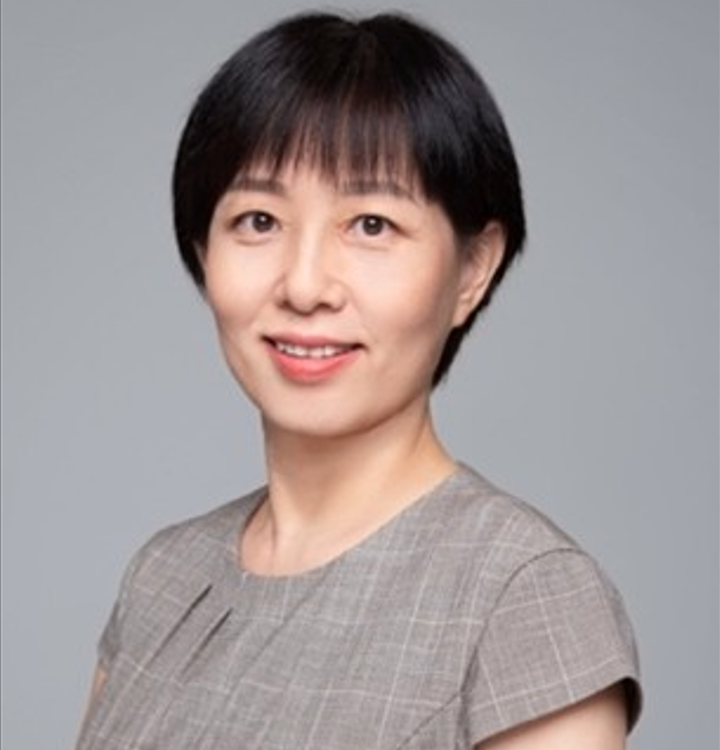
Lei REN
Xiamen University
“Rational Design of Virus-like Particles for Nanomedicine”
Lei REN
Xiamen University
Dr. Lei REN is currently professor at College of Materials, Xiamen University. She received her B.S. degree from Tianjin University (1990) and Ph.D. from the Okayama University (2001). Before joining Xiamen University in 2003, she was awarded a Singapore-MIT alliance post-doctoral associateship to perform research in Department of Materials at the National University of Singapore (2001-2003). Dr. Ren is senior member of the Chinese Society for Biomaterials, and Director of Key Laboratory of Biomedical Engineering of Fujian Province University/Research Center of Biomedical Engineering of Xiamen. Her research group focuses on three major areas: (1) fabrication of virus based protein nanoparticles for cancer immunotherapy; (2) investigation of the cellular response to the novel combination materials; (3) bionic design of the smart device for biomedical applications.
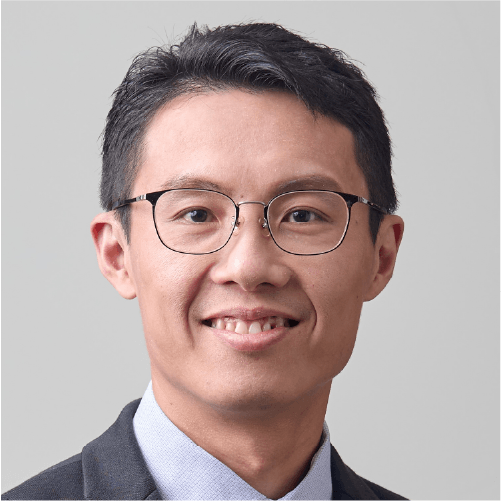
Lian Leng LOW
SingHealth
“Population health Strategies for Sustainable Healthcare”
Lian Leng LOW
SingHealth
Assoc Prof. Low Lian Leng is currently Chairman and Senior Consultant, Population Health and Integrated Care in Singapore General Hospital, Chairman of the SingHealth Population Health Research Executive Committee, and Director, SingHealth Centre for Population Health Research and Implementation. He is also faculty at Duke-NUS Medical School, Singapore University of Technology and Design, and Singapore University of Social Sciences.
As Chairman, Population health and Integrated Care in SGH, A/P. Low has spearheaded innovative models of care such as community nursing, hospital at home and integrated senior health and wellness hubs. He also has a deep interest in health services research, especially in the areas of population health, innovative integrated care delivery models, value-based care and data analytics.
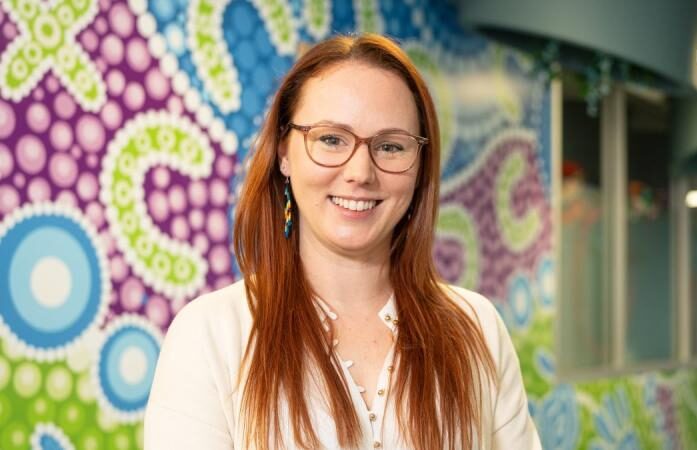
Melissa MCCRADDEN
The University of Adelaide
“The CANAIRI in the coal mine: how silent trials are the critical mechanism for safe integration of AI in healthcare”
Melissa MCCRADDEN
The University of Adelaide
Dr. Melissa McCradden is a bioethicist, clinical researcher, and leads teams developing and integrating novel technologies in healthcare. She serves as the Artificial Intelligence Director and Deputy Research Director with the Women’s and Children’s Health Network, and a Deputy Director and The Hospital Research Foundation (THRF) Group Fellow at the Australian Institute for Machine Learning at the University of Adelaide. She has published on algorithmic bias, responsible clinical evaluation of healthcare machine learning, and clinical integration of AI.
Nick WATTS
NUS
“Carbon Neutral Hospitals”
Nick WATTS
NUS
Professor Watts is the Director of the Centre for Sustainable Medicine, leading NUS’s efforts to accelerate the transition to net zero and resilient healthcare systems, across the world.
Prior to NUS, he worked as the Chief Sustainability Officer for the NHS where he spearheaded the national health system’s efforts to deliver low-carbon healthcare across the country. He is a medical doctor, a Fellow of the Royal College of Physicians’ Faculty of Public Health, and has worked as the Executive Director of the Lancet Countdown, and the Global Climate and Health Alliance.
Paulo BARTOLO
Nanyang Technological University
“3D Printing in Primary Care: Revolutionising Accessibility and Personalised Medicine”
Paulo BARTOLO
Nanyang Technological University
Paulo Bartolo holds a PhD from the University of Reading (2001), an MSC in Mechanical Engineering (1996) and a first degree (Licenciatura – five-year programme) in Mechanical Engineering (1993) both from the University of Lisbon (Portugal). Since August 2021, he is Professor at the School of Mechanical and Aerospace Engineering (MAE), Nanyang Technological University (NTU), Executive Director of Singapore Centre for 3D Printing (SC3DP), Programme Director of National Additive Manufacturing Innovation Cluster (NAMIC) Hub at NTU, member of the NAMIC Joint Cluster-Agency Management and NAMIC Cluster Project Evaluation Panel. He is Fellow of CIRP (International Academy for Production Engineering), Honorary/Visiting Professor at several Universities in China, Europe and North America and Advisor of several Funding Agencies and Research Institutes across the world.
Between 2014 and 2022, Paulo Bartolo was Chair Professor on Advanced Manufacturing at the University of Manchester, where he was the Head of the Manufacturing Group, the Industry 4.0 Academic Lead, the theme leader for the Industry 5.0 societal challenge area within the Digital Futures, the coordinator of the “scale-up and manufacture” cross-cutting capability of the Advanced Medical Materials@Manchester platform, member of the Department of Mechanical, Aerospace and Civil Engineering (MACE) Executive Committee, the Advanced Manufacturing Strategic Oversight Group, the Management Board of the EPSRC & MRC Centre for Doctoral Training in Regenerative Medicine and a representative of the University of Manchester at the Advanced Machinery and Productivity Institute.
Paulo Bartolo published more than 650 publications (journal papers, book chapters and conference papers) and 22 books, and has been engaged in a large number of projects funded by Singapore National Research Foundation, A*STAR, EPSRC (UK), Innovate UK, Bill and Melinda Gates Foundation, the Royal Society, the Portuguese Foundation for Science and Technology, the Portuguese Agency for Innovation, the European Commission, and Industry.
Po-Ssu HUANG
Stanford University
“Novel immunotherapy through targeting of intracellular antigens”
Po-Ssu HUANG
Stanford University
Dr. Possu Huang received his PhD from Caltech with the first demonstration of a computationally designed novel protein-protein interface. He subsequently conducted postdoctoral research at the University of Washington before starting his group at Stanford. His research focuses on advancing the understanding of proteins for the engineering of novel therapeutics and other protein-based nanotechnology. His group uses machine learning, computational modeling, structural biology and experimental library optimization to continue the expansion of protein-based molecular platforms.
Roger FOO
NUS
“What has Project RESET found for cardiometabolic disease, and what we would like to do to tackle it”
Roger FOO
NUS
Prof Roger Foo, a graduate of NUS Yong Loo Lin School of Medicine (Class of 1992), trained at King’s College Hospital, London, and Addenbrooke’s Hospital, Cambridge. Awarded the UK Wellcome Trust Fellowship in 2003, he pursued postdoctoral research at Albert Einstein College of Medicine, later returning to Cambridge as a British Heart Foundation Fellow and Consultant Physician. His lab published the first epigenomic map of the failing human heart in 2012 and continues pioneering work in cardiac epigenetics, chromatin organization, and genome regulation. He introduced Next Generation sequencing to NUH, leads collaborations with biopharma, and mentors clinician scientists nationally.
Ross Allan CLARK
University of the Sunshine Coast
“From Sketch to Screenii: Our Journey Commercialising Healthcare Diagnostic Technology”
Ross Allan CLARK
University of the Sunshine Coast
Associate Professor Ross Clark (University of the Sunshine Coast; Visiting Scientist, Rehabilitation Research Institute of Singapore) is an internationally recognised rehabilitation technology researcher. The most read researcher in the rehabilitation field worldwide (2010–2019), he has been listed in Stanford/Elsevier’s “Top 2% of Scientists” for current and all-time impact since 2019. His passion is developing scalable innovations for functional assessment, including co-inventing the Screenii diagnostic device. With >230 publications, 8000 citations, and >$23M in grants, he has mentored researchers who now hold senior academic and clinical leadership positions. He collaborates closely with Singapore General Hospital to advance translational health solutions.
Ruibing WANG
University of Macau
“Supramolecular Chemistry Mediated Cell Engineering for Targeted Therapy”
Ruibing WANG
University of Macau
Dr. Ruibing Wang, FRSC, is Professor of Supramolecular Biomaterials at University of Macau. He obtained his BSc and PhD degrees from Jilin University and Queen’s University, respectively. His research interest is focused on supramolecular biomaterials and cell-based pharmaceutics. He has published over 200 research papers (H-index of 66) and won 2018/2020/2022/2024 Macao Science and Technology Awards, and is among the list of Stanford’s World’s Top 2% Scientists for many years in a row. He serves as Associate Editor for both Chinese Chemical Letters and ACS Applied Bio Materials, and a council member for CCS Supramolecular Chemistry Committee.
Sabrina KAY Wye Wong
NHG Polyclinics
“Agentic AI for Community-based Health Coaching”
Sabrina KAY Wye Wong
NHG Polyclinics
Assistant Professor Sabrina Wong is Clinical Director of Primary Care and Family Medicine at LKC Medicine. She is a Senior Consultant Family Physician and Principal Clinician Scientist at NHG Polyclinics. She completed her PhD at LKC Medicine focusing on young adults with type 2 diabetes, and co-leads the NHG DM education and Resident Care Plan workgroups. Her research interest is in leveraging AI and digital health to personalise health interventions for people with chronic conditions. She is currently funded by NMRC to develop and validate a digital health coach for weight management in type 2 diabetes using an agentic AI architecture.
Sam PENG
Broad Institute
“Engineering Photostable Probes for Multicolor and Long-term, Single-Molecule Imaging in Live Cells”
Sam PENG
Broad Institute
Sam Peng is a core institute member of the Broad Institute of MIT and Harvard and the Pfizer Gerald D. Laubach Career Development Assistant Professor of Chemistry at MIT. His lab develops optical imaging techniques and nanoprobes to enable long-term single-molecule imaging in living systems. Peng earned his B.S. in chemistry from the University of California, Berkeley, and his Ph.D. from MIT in physical chemistry. He completed his postdoctoral research at Stanford University. His work has been recognized by the NIH Pathway to Independence Award, Beckman Young Investigator Award, and the Sloan Matter-to-Life Award.
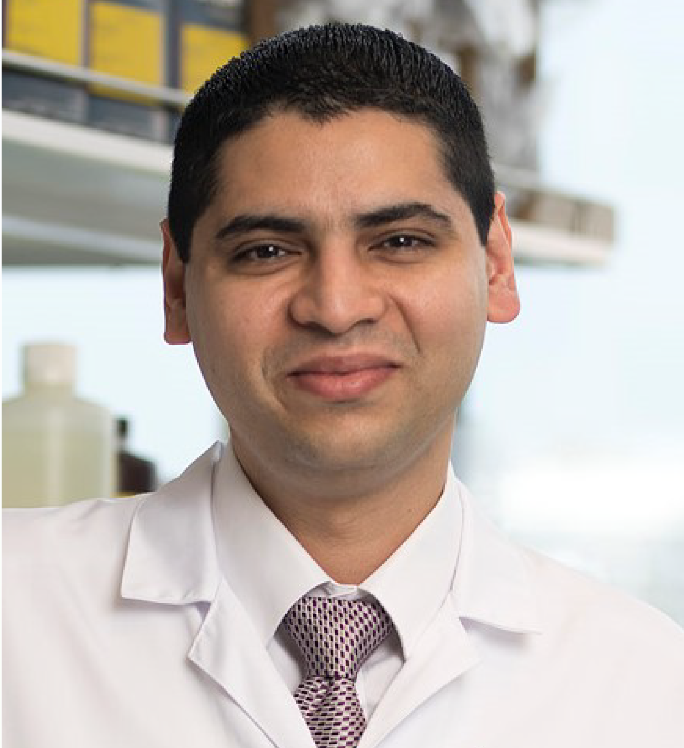
Sanjay CHOTIRMALL
Nanyang Technological University
“The Air Microbiome and Clinical Outcomes in Respiratory Disease”
Sanjay CHOTIRMALL
Nanyang Technological University
Associate Professor and Provost’s Chair in Molecular Medicine Vice Dean (Research), Lee Kong Chian School of Medicine, NTU Singapore A/Prof Chotirmall is an internationally recognized clinician-scientist with an established translational respiratory research group at the Lee Kong Chian School of Medicine, NTU Singapore. To date, he has performed key work on endo-phenotyping pulmonary infection, including the use of next generation sequencing approaches, in the context of chronic inflammatory respiratory diseases that have led to >200 publications including those in Nature Medicine, the New England Journal of Medicine (NEJM), Cell Host and Microbe, Nature Microbiology, the European Respiratory Journal (ERJ) and the American Journal of Respiratory and Critical Care Medicine (AJRCCM). He continues clinical practice at Tan Tock Seng Hospital, Singapore and currently serves as Vice Dean (Research) at the Lee Kong Chian School of Medicine, NTU Singapore and Deputy Editor at the American Journal of Respiratory and Critical Care Medicine (AJRCCM).
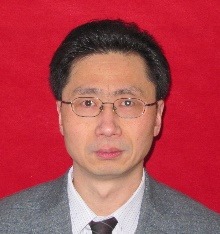
Shengyong YANG
Sichuan University
“AI-powered target identification and drug discovery”
Shengyong YANG
Sichuan University
Dr. Shengyong Yang is a Professor at the State Key Laboratory of Biotherapy, West China Hospital, Sichuan University in Sichuan, China. His research focuses on the development of computer-aided drug design (CADD) and artificial intelligence-driven drug discovery (AIDD) methods, as well as the research and development of small molecule targeted therapeutics. To date, he has authored more than 200 publications in international journals, including Science, Nature Medicine, Nature Microbiology, Nature Chemical Biology, and Nature Machine Intelligence. Additionally, five innovative drugs developed by him have progressed to Phase I-III clinical trials.
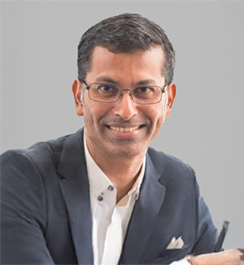
Shyam PRABHAKAR
A*STAR GIS
Evelyn WANG
Massachusetts Institute of Technology
Dr. Evelyn N. Wang is the Vice President for Energy and Climate and the Ford Professor of Engineering at the Massachusetts Institute of Technology (MIT). She previously served as the Senate-confirmed Director at the Advanced Research Projects Agency-Energy (ARPA-E) from 2023-2025, where she led the Agency’s development, launch, and execution of high-risk, high-reward energy research and development programs. At MIT, she developed technologies for thermal management, energy conversion and storage, and water harvesting and purification. Dr. Wang holds a Ph.D. in Mechanical Engineering from Stanford University. She also received an M.S. in Mechanical Engineering from Stanford University and a B.S. in Mechanical Engineering from MIT. She is a member of the National Academy of Engineering, and Fellow of the American Society of Mechanical Engineers, American Association for the Advancement of Science, and the American Academy of Arts and Sciences.
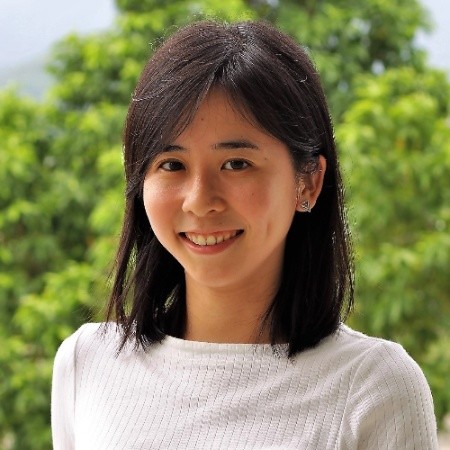
Siu Yee NEW
University of Nottingham Malaysia
“DNA-Based Optical Nanosensors: From Biosensing Applications to Nanoscience Education”
Siu Yee NEW
University of Nottingham Malaysia
Dr New Siu Yee is an Associate Professor at the School of Pharmacy, University of Nottingham Malaysia. She earned her PhD from the National University of Singapore, completed a research attachment at UIUC, and worked at A*STAR IMRE, Singapore. Her research develops DNA-based nanosensors, focusing on biotemplated metal nanoclusters and computational probe design for biomedical applications. She has published in leading journals and been featured in Malaysian media including Melody FM, Sin Chew Daily, The Star and Citta Bella. Dr New is a TWAS Young Affiliate (2023) and a L’Oréal-UNESCO For Women in Science award recipient (2021).
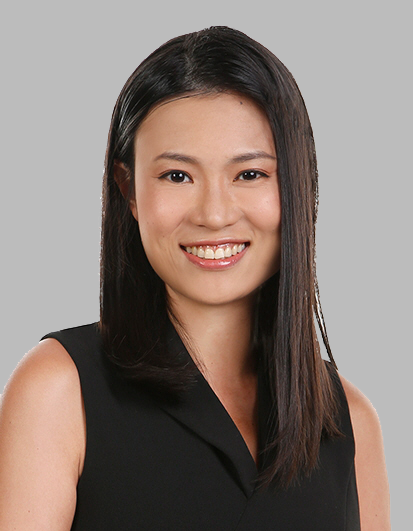
Stephanie KO
National University Hospital, Singapore
“The Future of Healthcare is in the Home”
Stephanie KO
National University Hospital, Singapore
Dr Stephanie Ko is a Consultant in Advanced Internal Medicine at the National University Hospital and Lead of NUHS@Home, Singapore’s largest hospital-at-home programme. She co-founded the service in 2020 and now leads its growth into a 100-bed unit. Her work bridges clinical leadership, implementation science research, and health system innovation, with a focus on decentralised clinical care delivery. She is also an Adjunct Assistant Professor with the Behavioural and Implementation Science Interventions at NUS Yong Loo Lin School of Medicine. Stephanie is passionate about reimagining healthcare models that bring hospital care closer to patients’ homes.
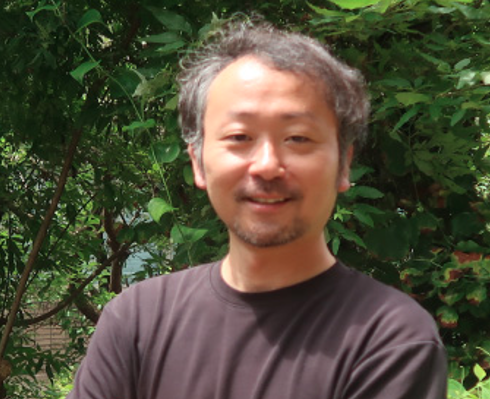
Taishi HIGASHI
Kumamoto University
“Cyclodextrin-based interlocked molecules for drug delivery carriers”
Taishi HIGASHI
Kumamoto University
Dr. Taishi Higashi graduated from Kumamoto University in 2004. When he was a doctoral course student, he worked at Evonik Röhm GmbH & Co. (Germany) as internship for 6 months. After earning his Ph.D., he worked at Taisho Pharmaceutical Co., Ltd. for 2 years. He worked in Kumamoto University from 2011. He was a postdoctoral fellow at the Faculty of Engineering, National University of Singapore under the supervision of Prof. Dr. Jun Li during 2013–14. Since 2022, he has been CTO of CyDing Co., Ltd. He has published over 140 papers including review articles and received nine awards.
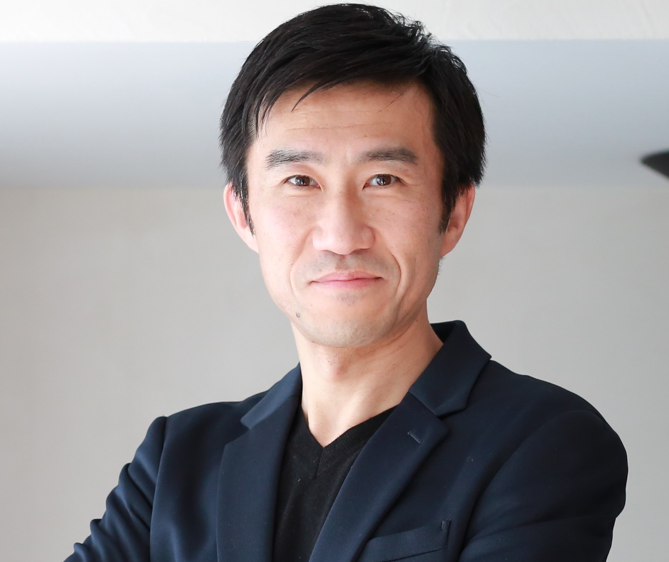
Tatsuya MURAKAMI
Toyama Prefectural University
“Development of Nex-Generation Photodynamic Therapy of Neovascular Age-Related Macular Degeneration”
Tatsuya MURAKAMI
Toyama Prefectural University
Tatsuya Murakami obtained his Ph.D. from Kyoto University in 1998. His career includes a Kyowa Hakko Kogyo Co., Ltd. researcher, a Japanese Science and Technology Agency (JST) postdoc at The Cancer Institute of JFCR, an assistant professor at Fujita Health University, a Precursory Research for Embryonic Science and Technology (PRESTO) researcher, and a PI at the Institute for Integrated Cell-Material Sciences (iCeMS), Kyoto University. In 2016, he was promoted to full professor at Toyama Prefectural University and visiting professor at iCeMS, Kyoto University. His current research interests include the development of corneal absorption-enhancing eye drops and neovascular-targeted drug carriers for photodynamic therapy.
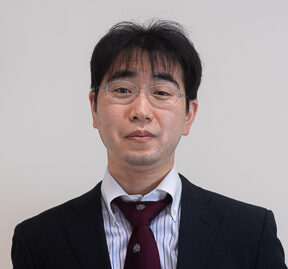
Tomoyuki YOKOTA
The University of Tokyo
“Ultra-flexible Organic Photonics Device for Bio-signal Monitoring”
Tomoyuki YOKOTA
The University of Tokyo
Tomoyuki Yokota was born in Tochigi, Japan, in 1985. He received his Ph.D. degree from the Department of Applied Physics, University of Tokyo, Tokyo, Japan, in 2013. Since 2019, he has been an associate professor at the Department of Electrical and Electronic Engineering, University of Tokyo. His current research interests include organic photonic devices, flexible electronics, printed electronics, large-area sensors, and wearable electronics.
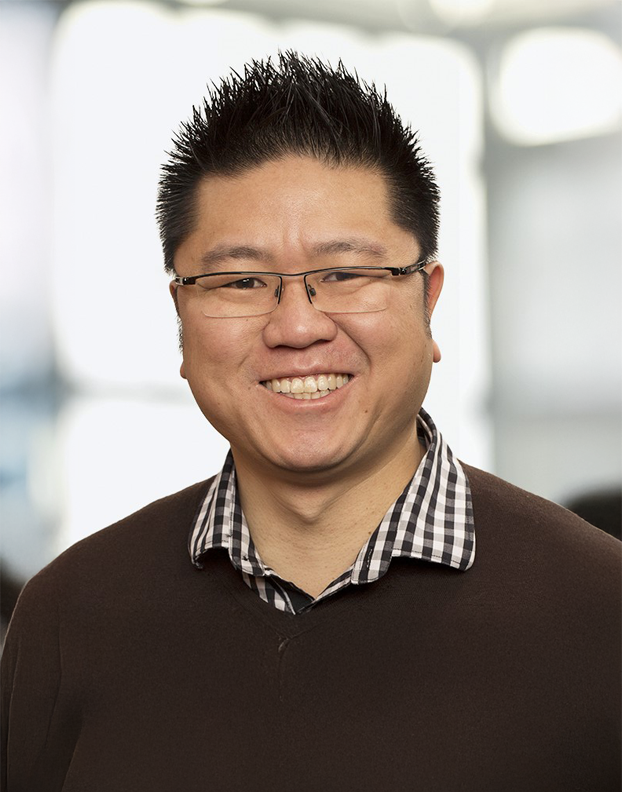
Warren CHAN
Nanyang Technological University
“Ultra-flexible Organic Photonics Device for Bio-signal Monitoring”
Warren CHAN
Nanyang Technological University
Dr. Warren Chan is the Dean of the College of Engineering and President’s Chair Professor in Engineering at Nanyang Technological University (NTU). He received his B.S degree from the University of Illinois, Ph.D. from Indiana University, and completed postdoctoral training at the University of California, San Diego. He previously served at the University of Toronto as Professor, Canada Research Chair in Nanoengineering, and Director of the Institute of Biomedical Engineering. His lab develops nanotechnologies for diagnosing and treating cancer and infectious diseases. He currently serves as an Executive Editor of ACS Nano.
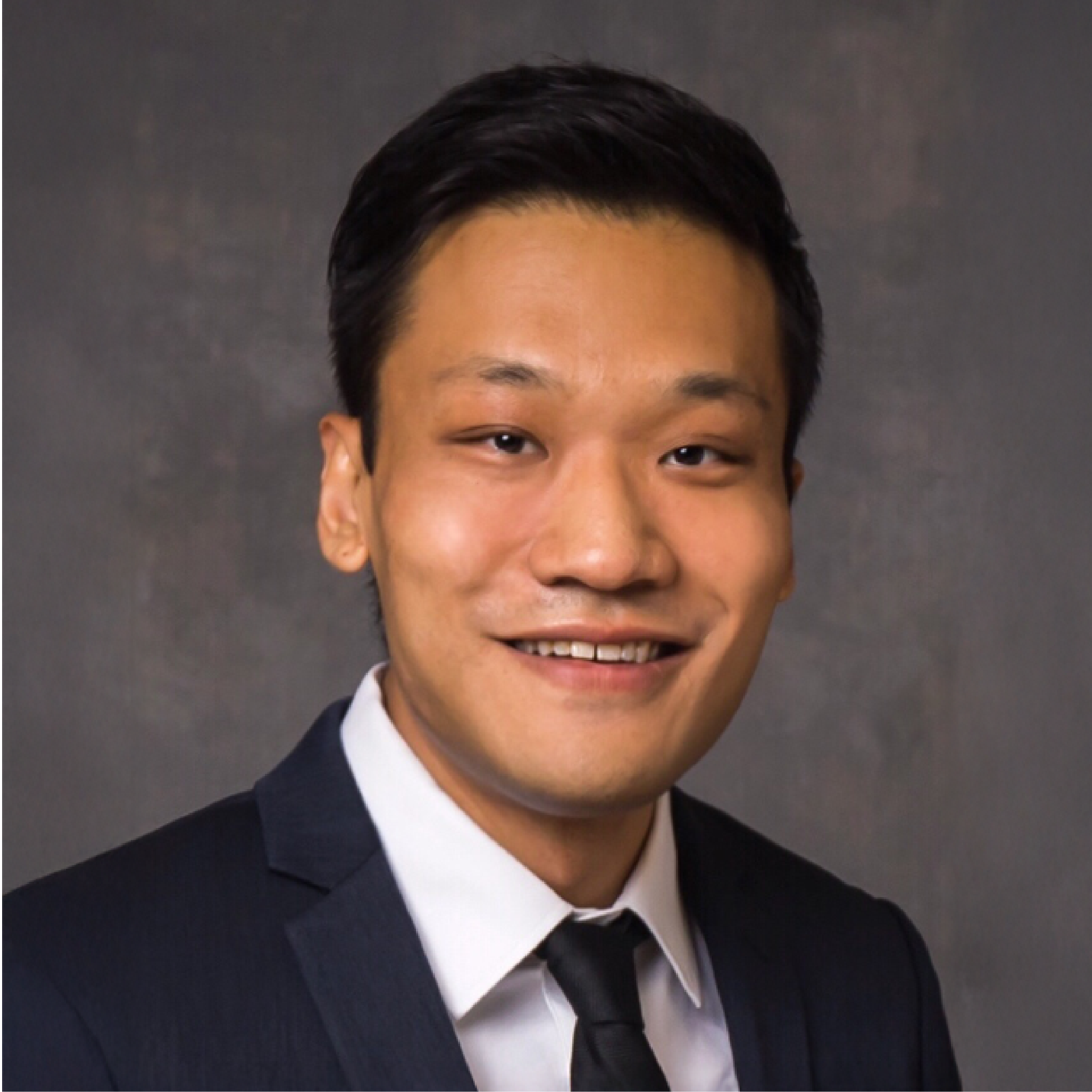
Wei Leong CHEW
A*STAR GIS
“Engineering the Human Genome”
Wei Leong CHEW
A*STAR GIS
Dr Chew Wei Leong is Senior Principal Scientist at the Genome Institute of Singapore of A*STAR. His team develops technologies to write DNA and RNA, specifically in the areas of gene-editing, CRISPR-Cas, and gene therapy. He holds an Adjunct Assistant Professor appointment at the National University of Singapore. More information can be found on the lab website: http://chewlab.github.io
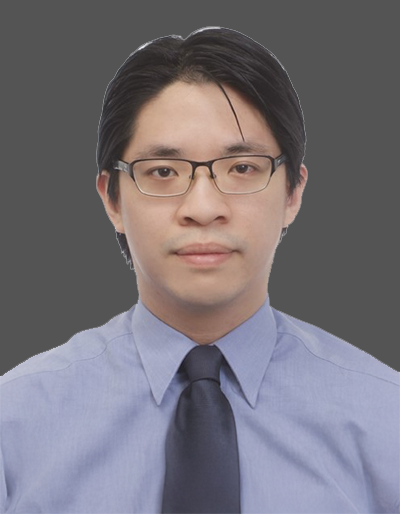
Wei Xin CHIN
National University of Singapore
“VacZen: A Genome-Recoded Live Attenuated Vaccine for Zika Virus”
Wei Xin CHIN
National University of Singapore
Dr Chin Wei Xin is a research fellow at the National University of Singapore under the Viral Pathogenesis and Vaccine Development programme. His research focuses on live attenuated RNA virus vaccines, particularly orthoflaviviruses such as dengue and Zika. He specialises in reverse genetics technologies to rationally engineer viral genomes for enhanced safety and stability, integrating molecular virology, immunology, and preclinical development. His recent work includes a genome-recoded Zika virus vaccine candidate demonstrating exceptional genetic stability, in vivo attenuation, and immunogenicity. He has contributed to multiple vaccine projects and welcomes collaboration with academic, industrial, and translational partners.
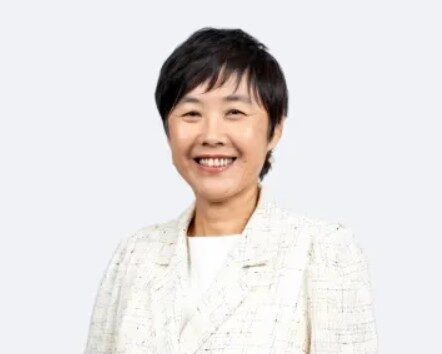
Weng Mooi TAN
MOH Office for HealthCare Transformation
“Healthy Precinct Framework for Sustainable Healthcare – A new model to Activate the Community for Health”
Weng Mooi TAN
MOH Office for HealthCare Transformation
A pharmacist by training with over 30 years of experience, Weng Mooi currently leads the development of healthy precinct and digital solutions to build up healthy living and mental well-being in the community. Development of Healthy Precinct Framework involves co-creating tools and initiatives such as Movement for Health with stakeholders including government agencies, business and community leaders and volunteers. She also co-chairs and drives Digital Mental Health Strategy and implementation plans with the MOH National Mental Health Office.
Weng Mooi is passionate and determined to push for transformation of care (including mental health/dementia care) to be person centric, holistic, and empowering and integrating care with the environment.
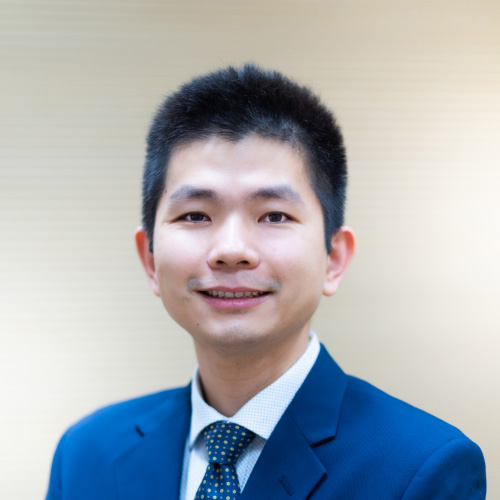
Will Wei QIAO
The University of Hong Kong
“Novel Biomaterials for Tissue Regeneration through Modulation of the Immune-Neural Axis”
Will Wei QIAO
The University of Hong Kong
Prof QIAO Wei is the Assistant Dean (Research) and Clinical Assistant Professor at HKU Faculty of Dentistry. He also serves as an Honorary Associate Researcher at HKU-Shenzhen Hospital. He received his BDS and MDS (Oral Implantology) degrees from Sun Yat-sen University and completed his PhD research training at the University of Hong Kong and Johns Hopkins University. He is fascinated with the creation of our body, which inspires him to develop novel biomaterials for infection eradication and tissue regeneration. His works have been published in esteemed journals. He is the recipient of IADR Star Fellowship (2024) and IADR Lion Research Award (2018).
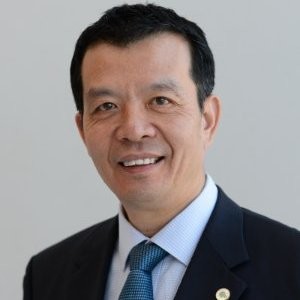
William CHEN
Nanyang Technological University
“Nature-based Materials for Clinical Applications: new approach from food tech innovations”
William CHEN
Nanyang Technological University
William Chen is the Michael Fam Endowed Professor in Food Science and Technology at NTU. He is Director of the Singapore Future Ready Food Safety Hub (FRESH) and Director of the Singapore Agri-food Innovation Lab (SAIL). His food tech innovations, and perspectives on food safety and food security have been regularly covered by major local and international media outlets. He is adviser and consultant to overseas universities, Singapore government agencies, the food industry and various international organisations (including ADB, FAO, WEF and WHO). He received his undergraduate and graduate education from the Catholic University of Louvain in Belgium.
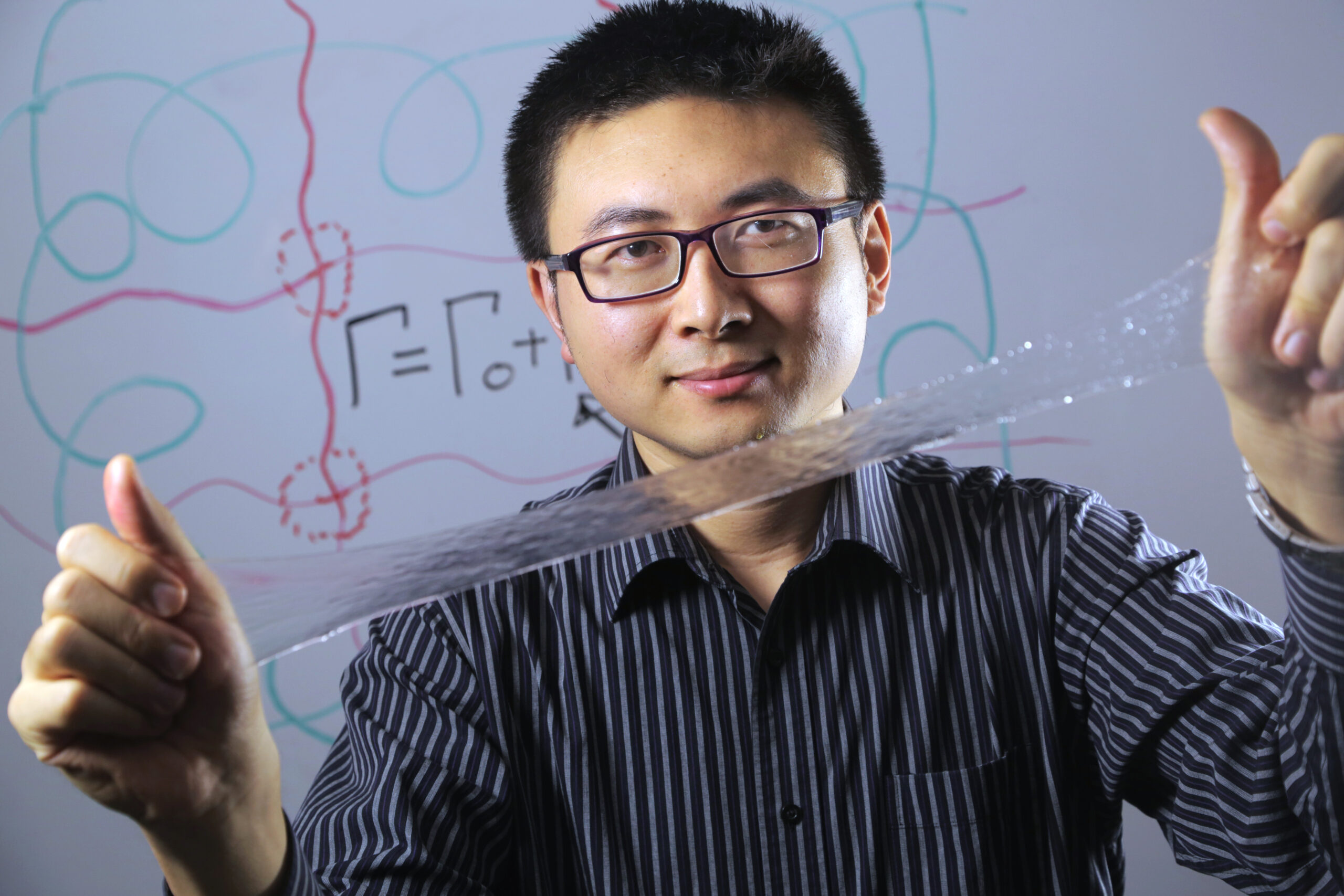
Xuanhe ZHAO
Massachusetts Institute of Technology
“Merging Humans and Machines: Innovation and Translation”
Xuanhe ZHAO
Massachusetts Institute of Technology
Xuanhe Zhao is the Uncas and Helen Whitaker Professor at MIT. Dr. Zhao is a Humboldt Research Award winner, Clarivate Highly Cited Researcher, and fellow of American Institute for Medical and Biological Engineering (AIMBE). He co-founded three startup companies based on technologies developed in Zhao Lab. Bioadhesive ultrasound, based on Zhao Lab’s work published in Science, was named one of TIME Magazine’s Best Inventions of the year in 2022. SanaHeal Inc., based on Zhao Lab’s work published in Nature, was awarded the 2023 Nature Spinoff Prize. Over 15 patents from Zhao Lab have been licensed by companies and have contributed to FDA-approved and widely used medical devices globally.
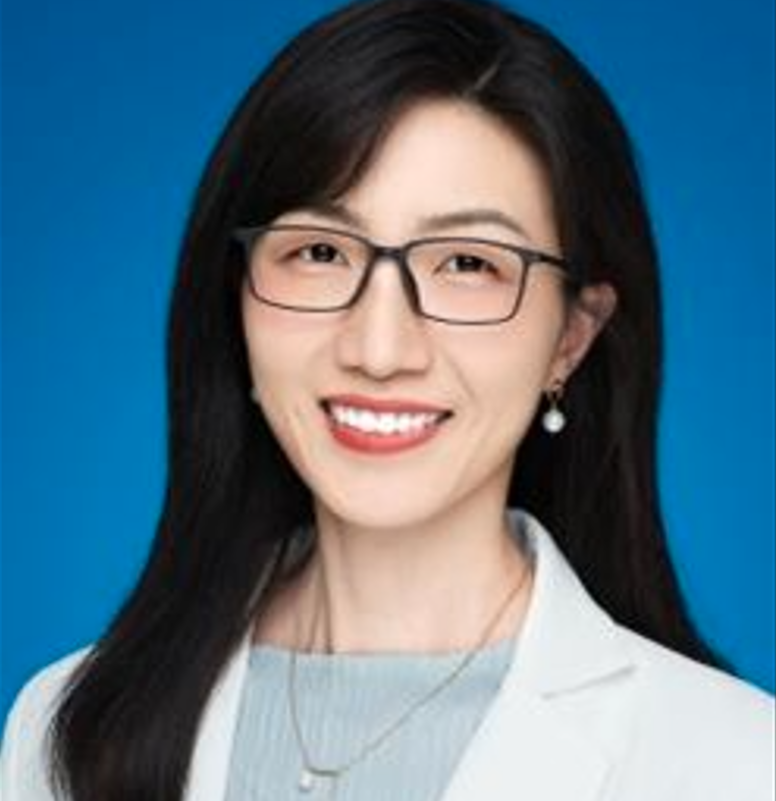
Yan ZHANG
Huazhong University of Science and Technology
“Molecular Optical Probes for Dynamic Profiling the Immune Cells”
Yan ZHANG
Huazhong University of Science and Technology
Dr. Yan Zhang is a professor from College of Life Science and Technology, Huazhong University of Science and Technology, China. She received her PhD degree from School of Chemistry, Chemical Engineering and Biotechnology (CCEB) at Nanyang Technological University, Singapore. Her research is focused on the designing and engineering novel optical probes for applications including disease biomarker detection, cancer imaging, theranostics, and optogenetics.
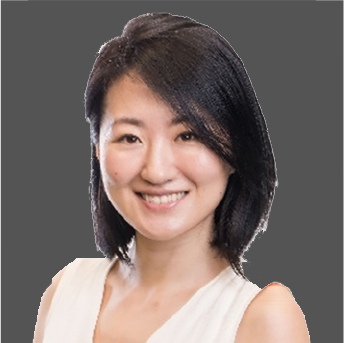
Yin MO
National University Hospital, Singapore
“Tackling AMR from a Global Perspective”
Yin MO
National University Hospital, Singapore
Dr Mo Yin is the Deputy director of ADVANCE-ID clinical trial network, and an Infectious Diseases physician at the National University Hospital in Singapore. She is the lead investigator for the REGARD-VAP trial (Reducing Antibiotic Treatment Duration for Ventilator Associated Pneumonia) and the ACORN-HAI study (A Clinically-Oriented Antimicrobial Resistance Surveillance Network for Healthcare Associated Infections). She has designed and conducted large multinational clinical trials which focus on pragmatic solutions for antibiotic resistant bacterial infections. She is driven by the ideal of using quality clinical research to improve patient outcomes and propel global policies. She has received numerous awards for her achievements in clinical care, research and teaching. Dr Mo Yin obtained her MBBS from the National University of Singapore and DPhil from University of Oxford.
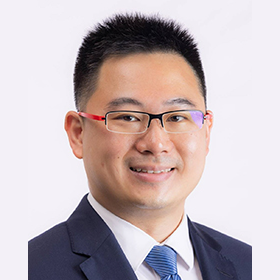
Yujia GAO
National University Health System
“Advances in Surgical Imaging: From XR to Digital Twins”
Yujia GAO
National University Health System
A/Prof Gao Yujia is a Consultant Surgeon in Liver, Pancreas, and Liver Transplant Surgery at the National University Hospital in Singapore. As the Assistant Group Chief Technology Officer for the National University Health System, A/Prof Gao is involved in the research and development of immersive technology and its application in clinical care and education, and digital-twin projects. He works extensively with Mixed Reality (MR) technology, utilising MR devices to deliver cutting edge capabilities to clinicians including 3D holographic imaging, real-time computer-vision based imaged analysis, and multisource data integration. He is also responsible for the integration and implementation of 5G wireless technology for hospital infrastructure development
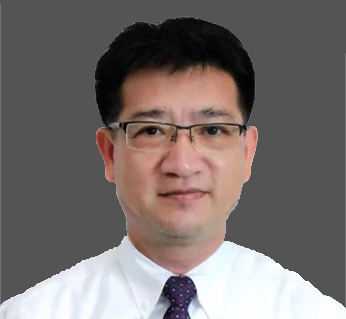
Yun-Bao JIANG
Transmembrane transportation by extralarge peptidomacro cycles
“Advances in Surgical Imaging: From XR to Digital Twins”
Yun-Bao JIANG
Xiamen University
Yun-Bao Jiang obtained his PhD from Xiamen University and is currently a full professor at Xiamen University, China. He did his postdoc researches at the Max-Planck-Institute for Biophysical Chemistry at Goettingen and the University of Hong Kong, Hong Kong and has been an invited professor at ENS Cachan, a visiting scientist at Southampton University UK and NTU and a visiting professor at NUS. His research focuses on electron transfer photophysics and spectral sensing and supramolecular recognition. Recent efforts have been also put on molecular and supramolecular chirality.
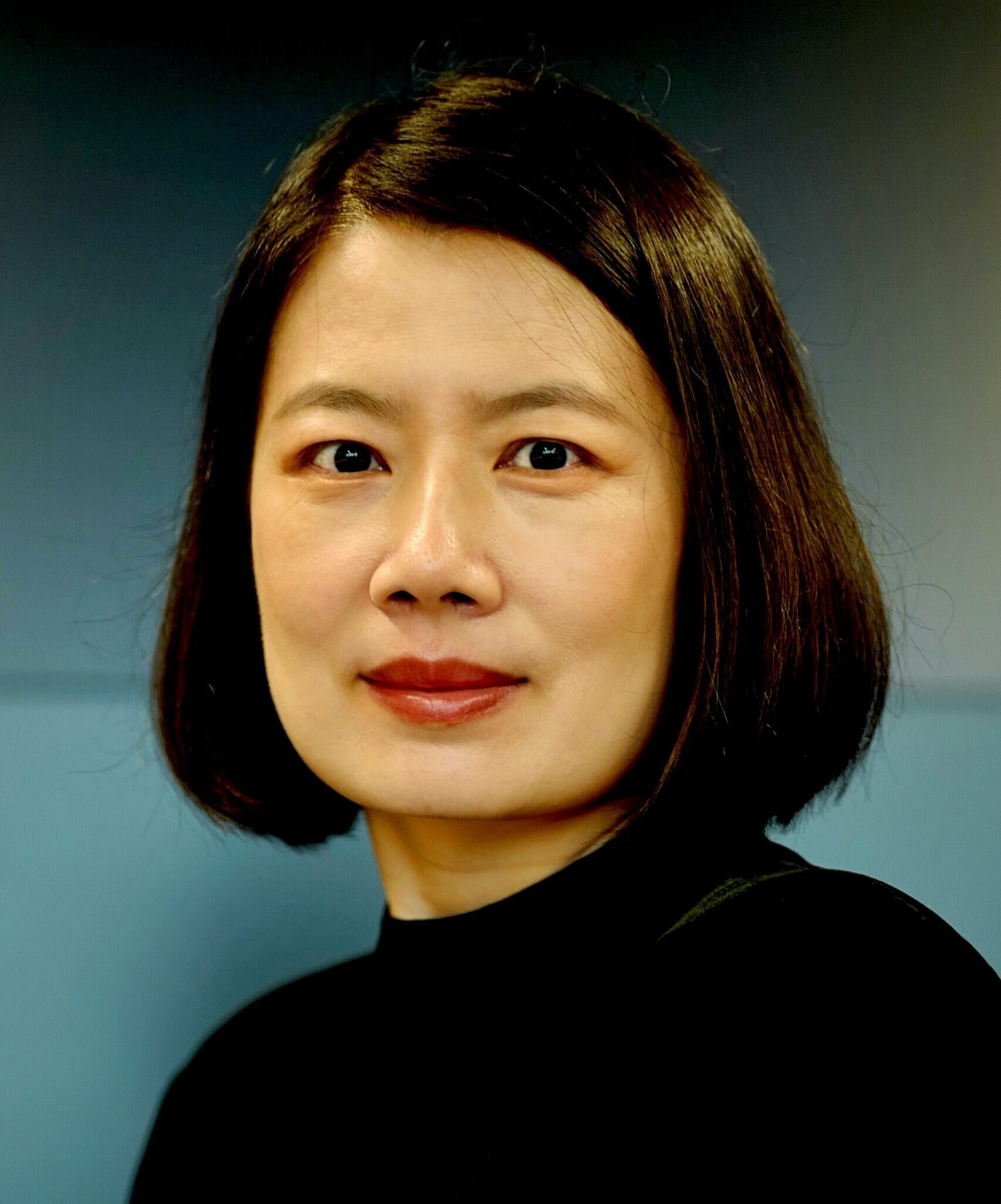
Yun XIA
Nanyang Technological University, Singapore
“Reconstructing Tissue Microenvironment to Better Emulate Kidney Diseases”
Yun XIA
Nanyang Technological University, Singapore
Dr. Xia is a Nanyang Assistant Professor and Provost’s Chair in Stem Cell Biology at the Lee Kong Chian School of Medicine, NTU. Her research focuses on developing human stem cell-based organoid models that recapitulate the architecture and functionality of the native organ. In recognition of her contributions to kidney organoid research, Dr. Xia received the SCSS Dr. Susan Lim Award for Young Investigator from the Stem Cell Society Singapore in 2020 and was selected for the EMBO Global Investigator Network in 2021. Since 2022, she has served as an Associate Editor for Kidney International.
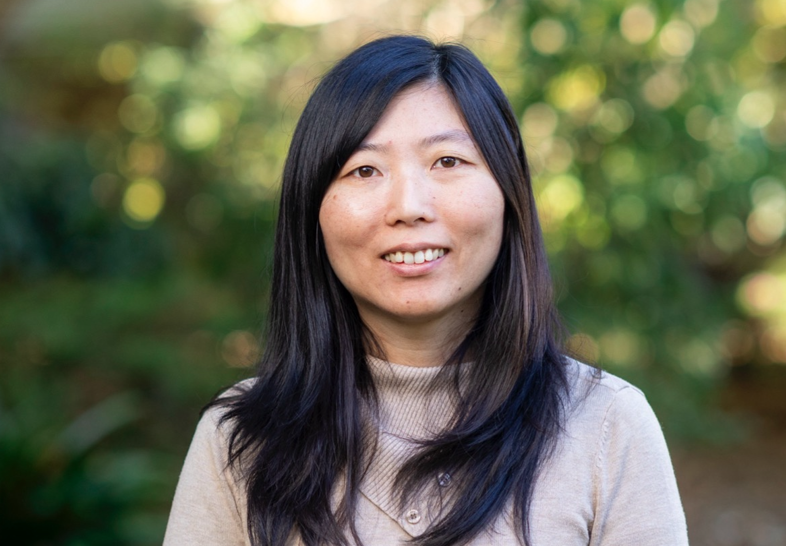
Yuning HONG
La Trobe University
“Illuminating Protein Quality Control and Disorder in Neurodegenerative Diseases Using Aggregation-Induced Emission Probes”
Yuning HONG
La Trobe University
Prof Yuning Hong is an ARC Future Fellow and Professor of Chemistry at La Trobe Institute for Molecular Science (LIMS), La Trobe University. She develops innovative fluorescent chemical probes to study protein unfolding, misfolding, aggregation, oxidative stress, and autophagy, with a focus on neurodegenerative diseases. After completing her PhD at HKUST, she trained in biophysical chemistry at Dartmouth College, USA, before moving to Australia as a McKenzie Fellow at the University of Melbourne. Prof Hong’s work has been recognised with numerous awards, including the Le Fèvre Medal from Australian Academy of Science (2022) and McAulay-Hope Prize for Original Biophysics from Australian Society of Biophysics (2024).
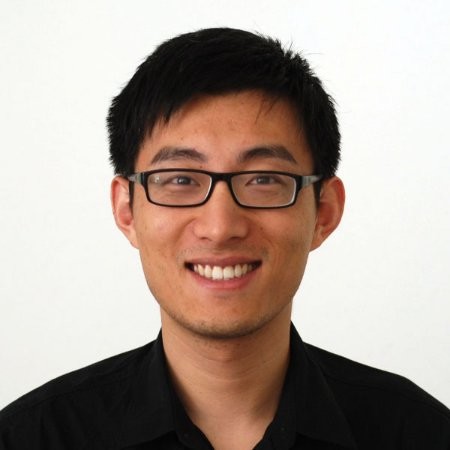
Zhengzong SUN
Fudan University
“Epitaxial MOF Electronics for Early CKD Detection”
Zhengzong SUN
Fudan University
Zhengzong Sun received B.S. degree of Chemistry in 2004 and M.S. degree in Chemistry in 2007 from Nanjing University. He received his Ph.D. in Chemistry from Rice University in 2012, and worked as a postdoc in UC Berkley in Department of Physics. He was a professor of Chemistry from 2013-2019, and since 2020 he is professor of Microelectronics in Fudan University.
Information is accurate as of 6 December 2025. Please refer to the Full Programme for the latest version.